Home
Jones Upholstery Store
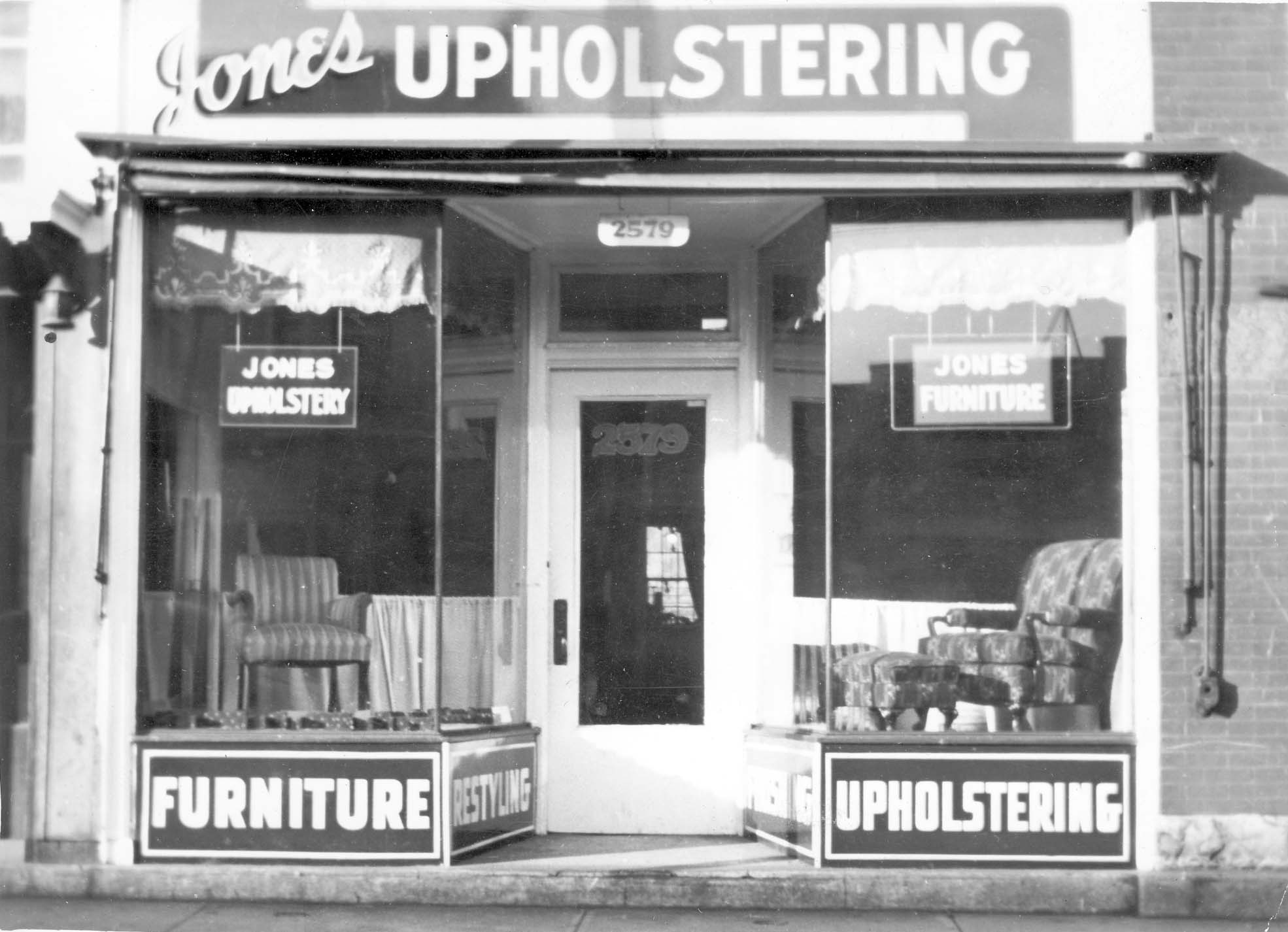 The North Columbus Kroger location at 2579 North High Street became Jone’s Upholstery business. Charles M. Jones moved here in 1943 while his son W. Frank Jones was overseas serving in WWII. When Frank came home in 1946, he worked as a partner with his father until his father’s death. (Charles and Frank are the son and grandson of C. F. Jones.) This photograph was taken in 1945.
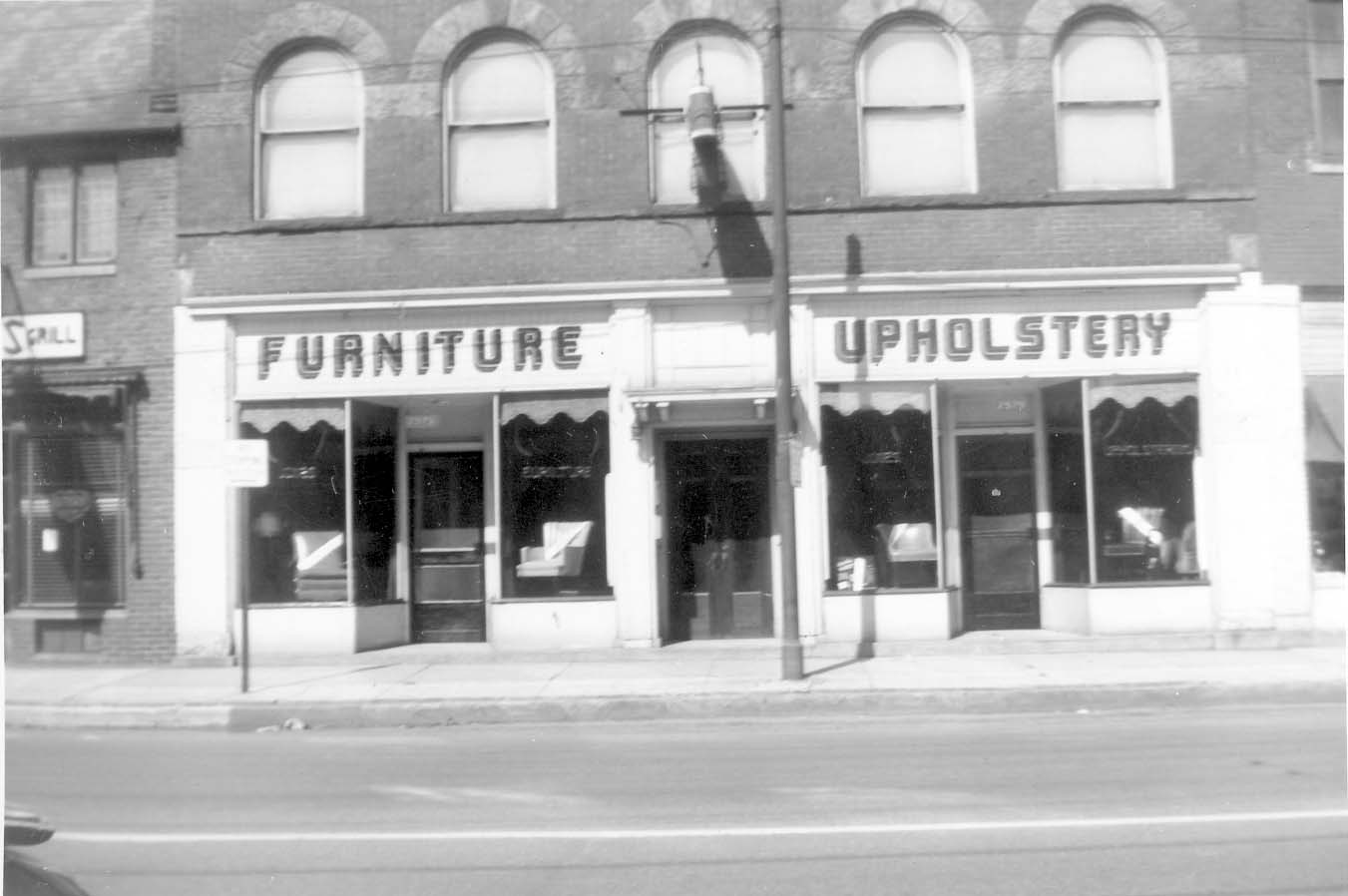 Frank continued the business until 1977 when Neocacia Masonic Lodge (which occupied the 2nd story of the building) sold the building. This photo was taken in 1951.
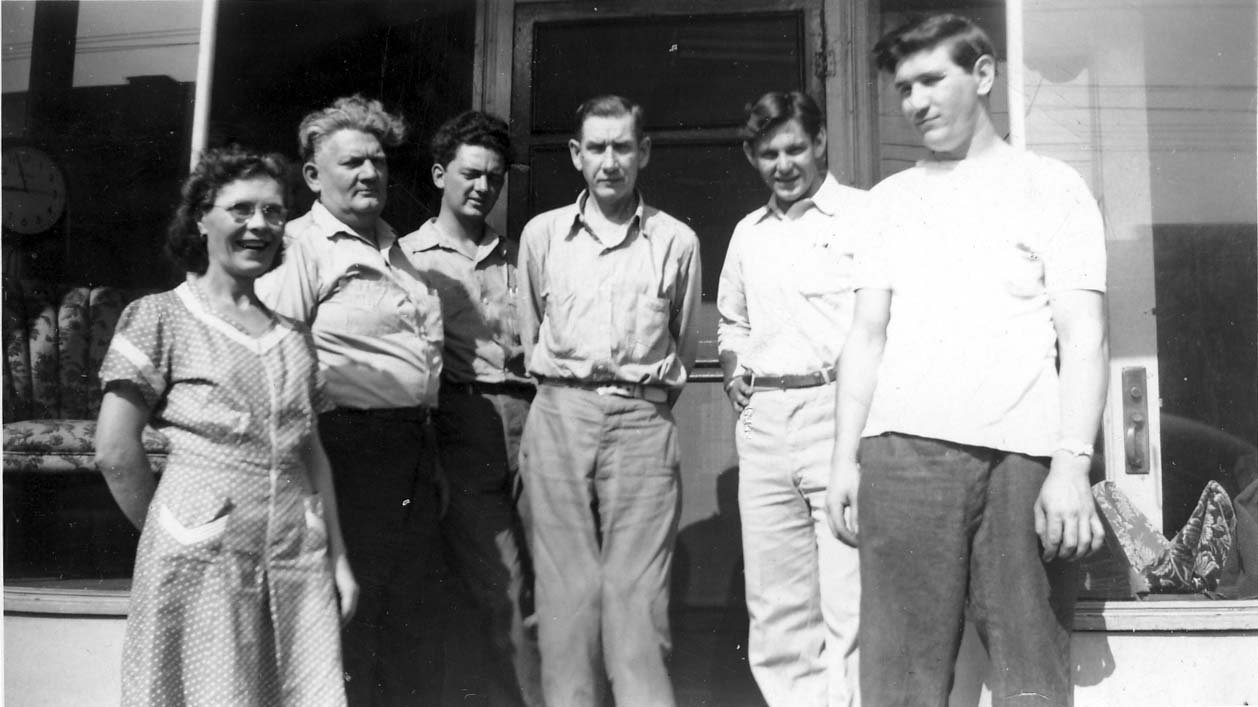 In 1947, here are: Jenny Mocabee, Charles M. Jones, Frank Jones, Ray Bennett, Dick Schaeffer, Bob Hill.
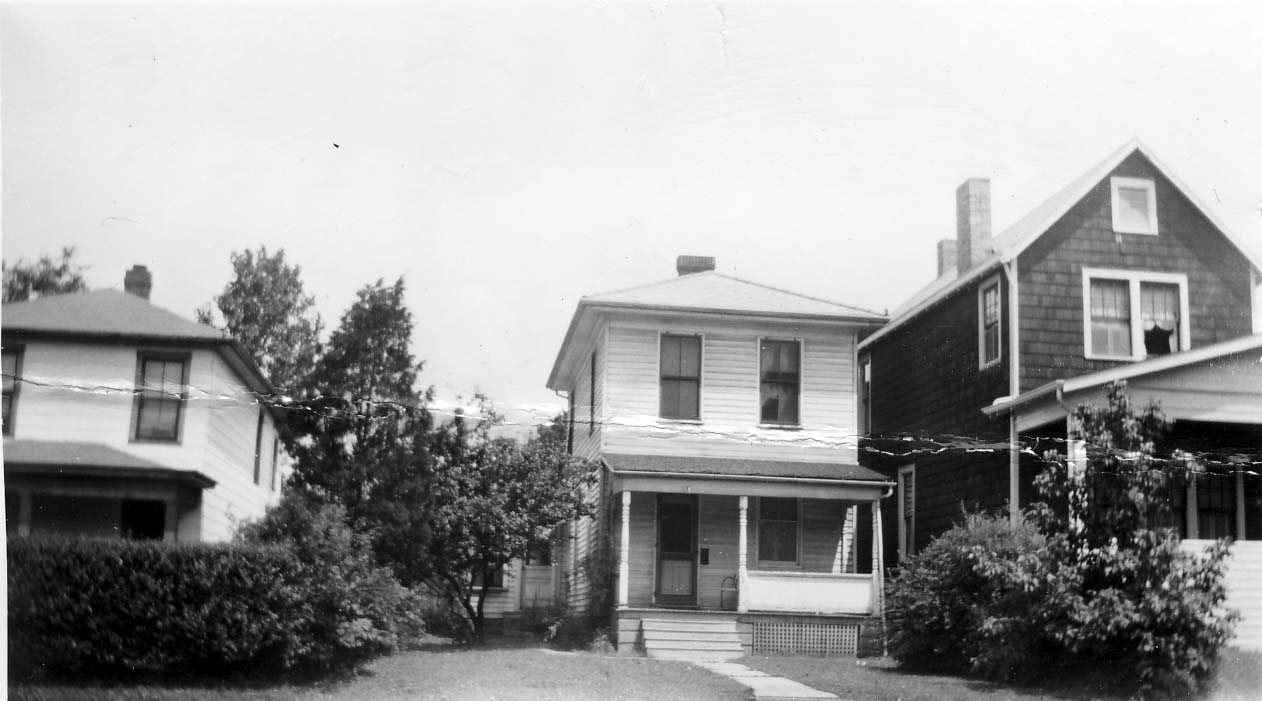
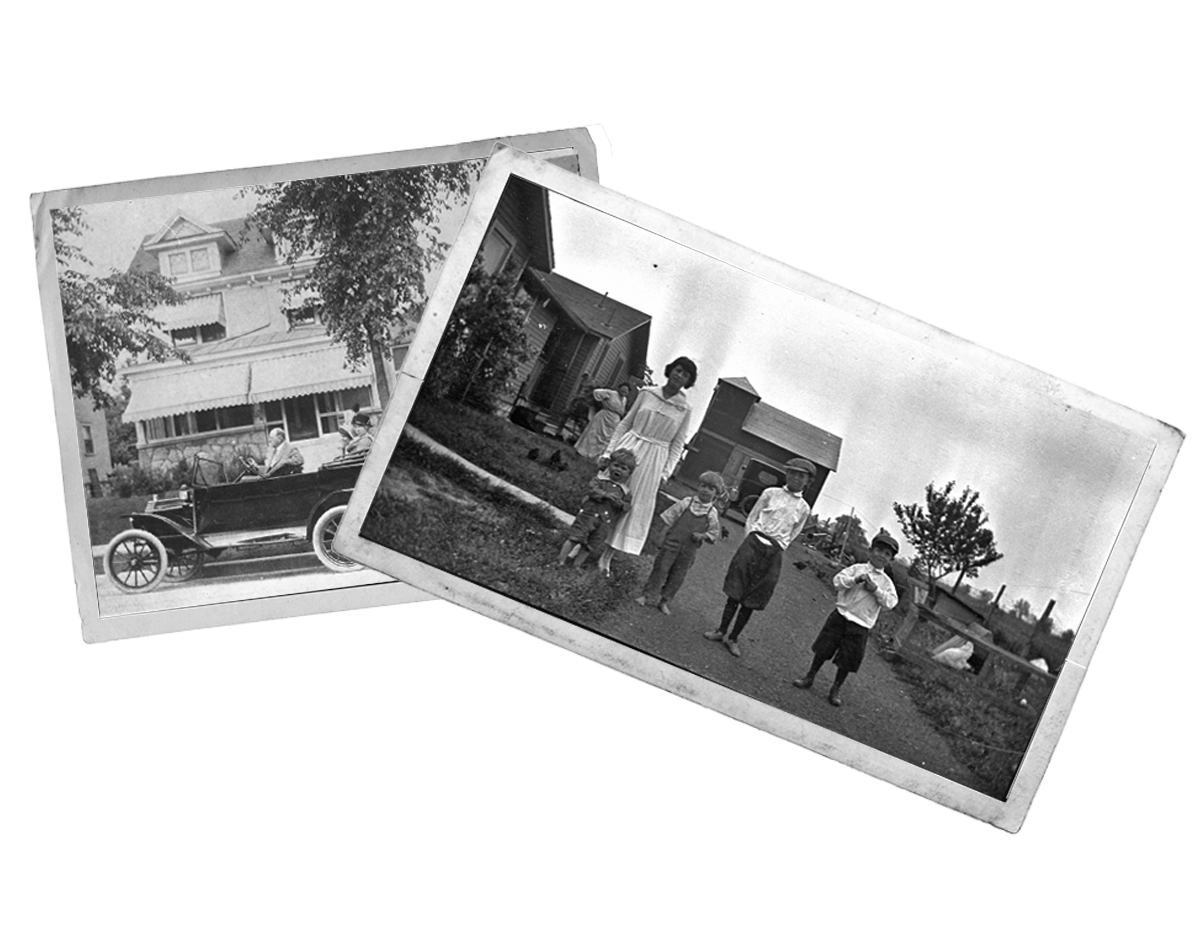
66 East Duncan Street, a house owned by Frank Jones, owner of Jones Upholstery. This house has since been torn down. (Photos courtesy of Frank Jones.)
Weisheimer Mill
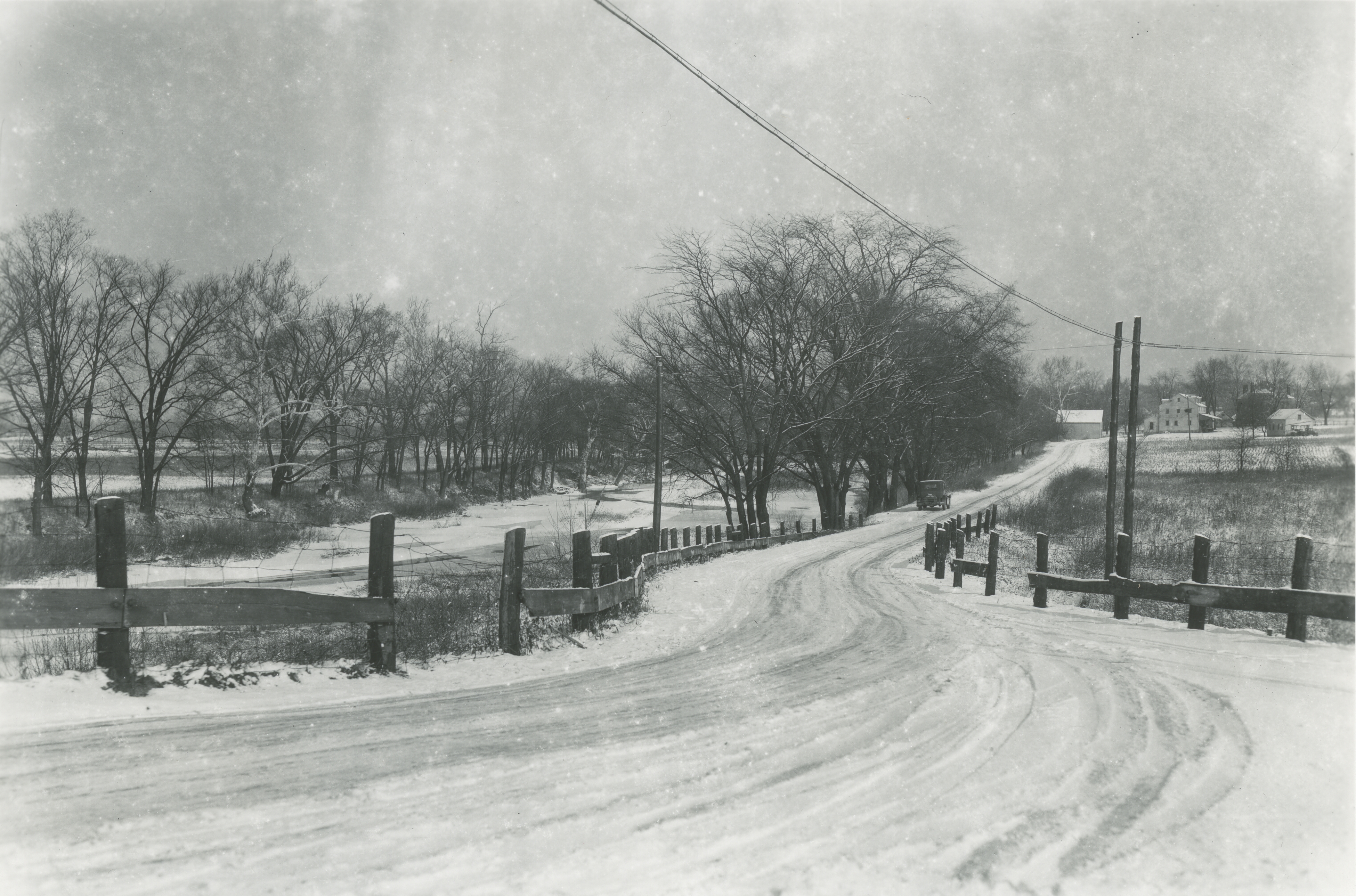 A wonderful picture of the Weisheimer Mill including the Jacob Weisheimer home (which still exists) and other buildings at the mill complex. The photographer would be looking north up Starrett Road to Weisheimer Road. You can click on this image to see the distant details. I show some other images of the mill and Weisheimer homes on pages 21-22 of my book. (Photo courtesy of the Columbus Metropolitan Library.)
Union Cemetery
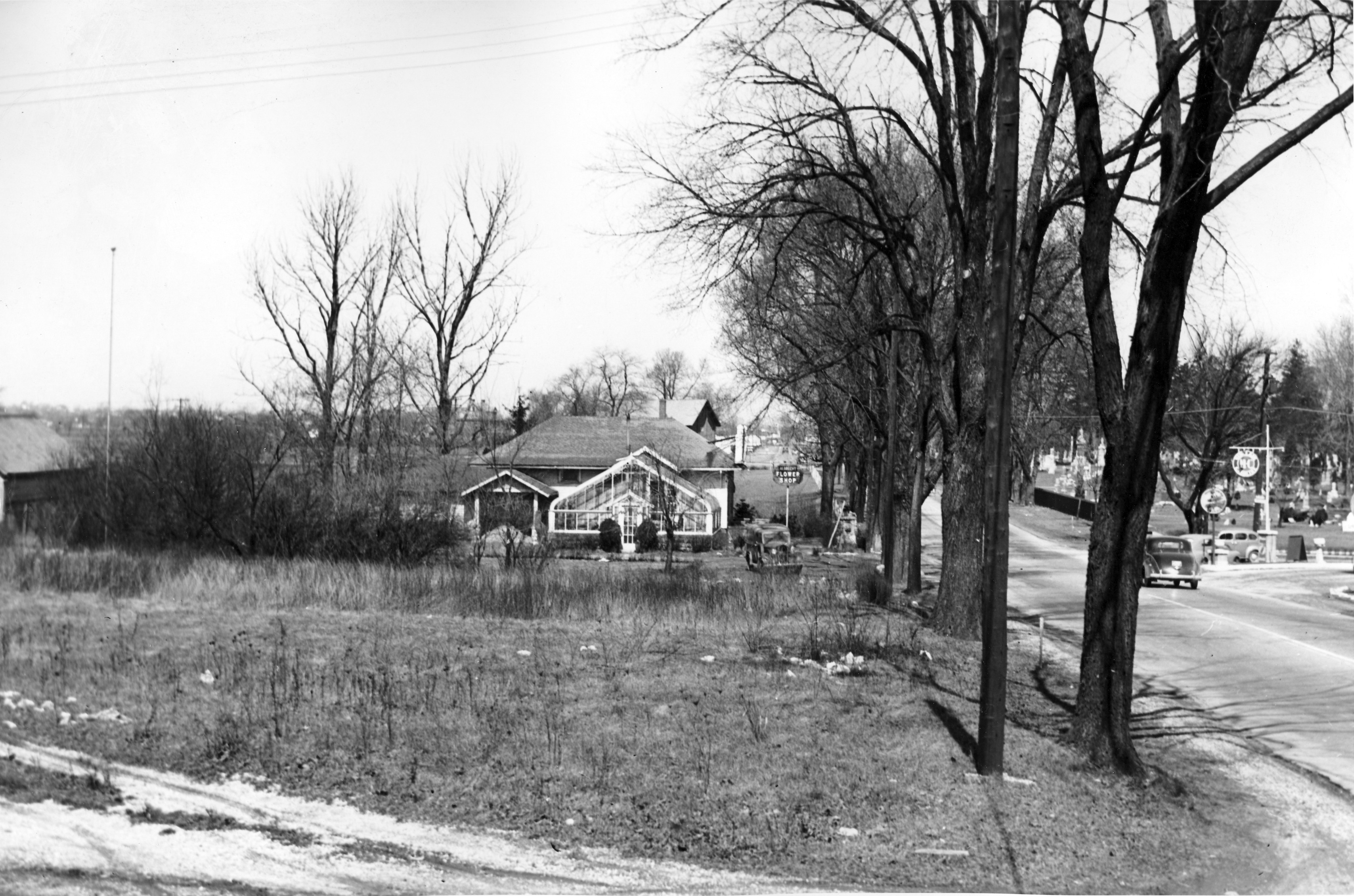 A view of Union Cemetery from Olentangy River Road, in the late 1930s. (Photo courtesy of the Franklin County Engineers)
Maple Grove Methodist Church
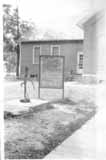 The old brick school house which became the foundational building of Maple Grove Church was originally built in 1878. The church was organized around 1919, and began meeting in the abandoned school around 1920. In 1923 a frame addition was dedicated and this served as their parish hall for many years. In 1929 the lot was further expanded, and a campaign for new construction began shortly thereafter. (Photo courtesy of the Maple Grove Methodist Church)
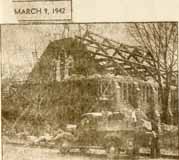 The cornerstone was laid on Pearl Harbor Day in 1941. A stop light was installed at the corner of Henderson and High in 1940—a real sign of growth and “progress.”
(Photo courtesy of the Maple Grove Methodist Church)
Civil Defense Center
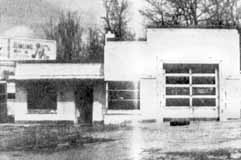 Because of gas rationing during World War II, many gas stations closed. In 1942, Clintonville Community Council (an umbrella group of Clintonville’s organizations) transformed this vacant gas station at 4070 North High Street to be a civil defense center and canteen for soldiers. It was furnished with first aid station, chairs, and a piano, and light refreshments were served. (Photo courtesy of the Kerchner Family)
There are a couple more pictures here.
Downtown Clintonville 1945
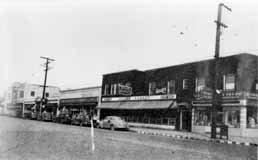 This is another view of downtown Clintonville at High Street and Oakland Park Avenue, showing Miller’s Market, Alber’s supermarket, and Oakland Park Pharmacy. The pharmacy had a soda fountain and was undoubtedly a favorite ice cream stop during hot summer evenings. (Photo courtesy of Leeann Faust)