Home
138 East North Broadway
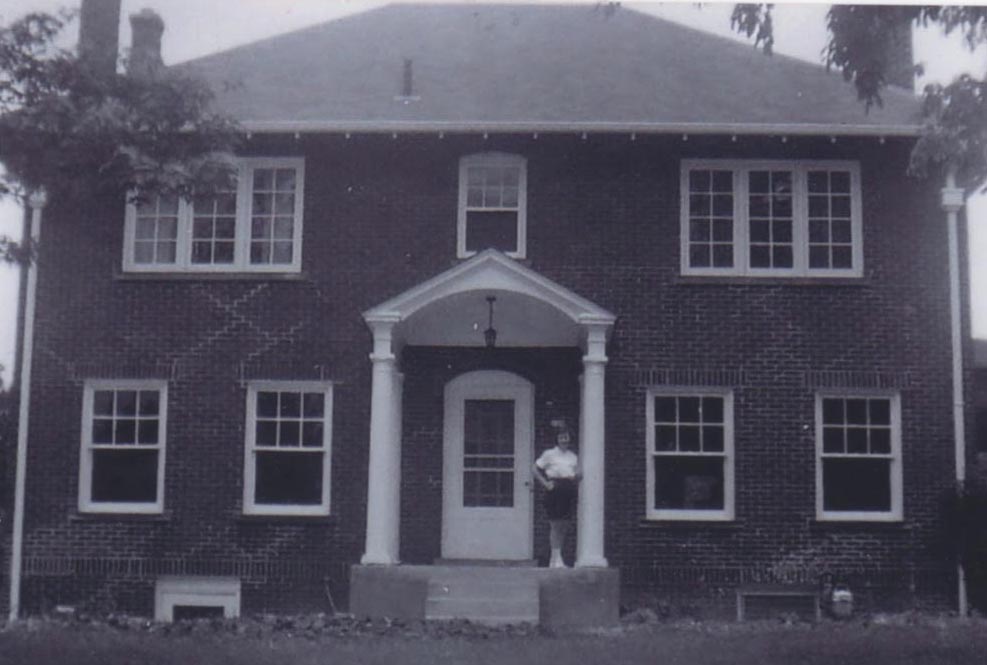
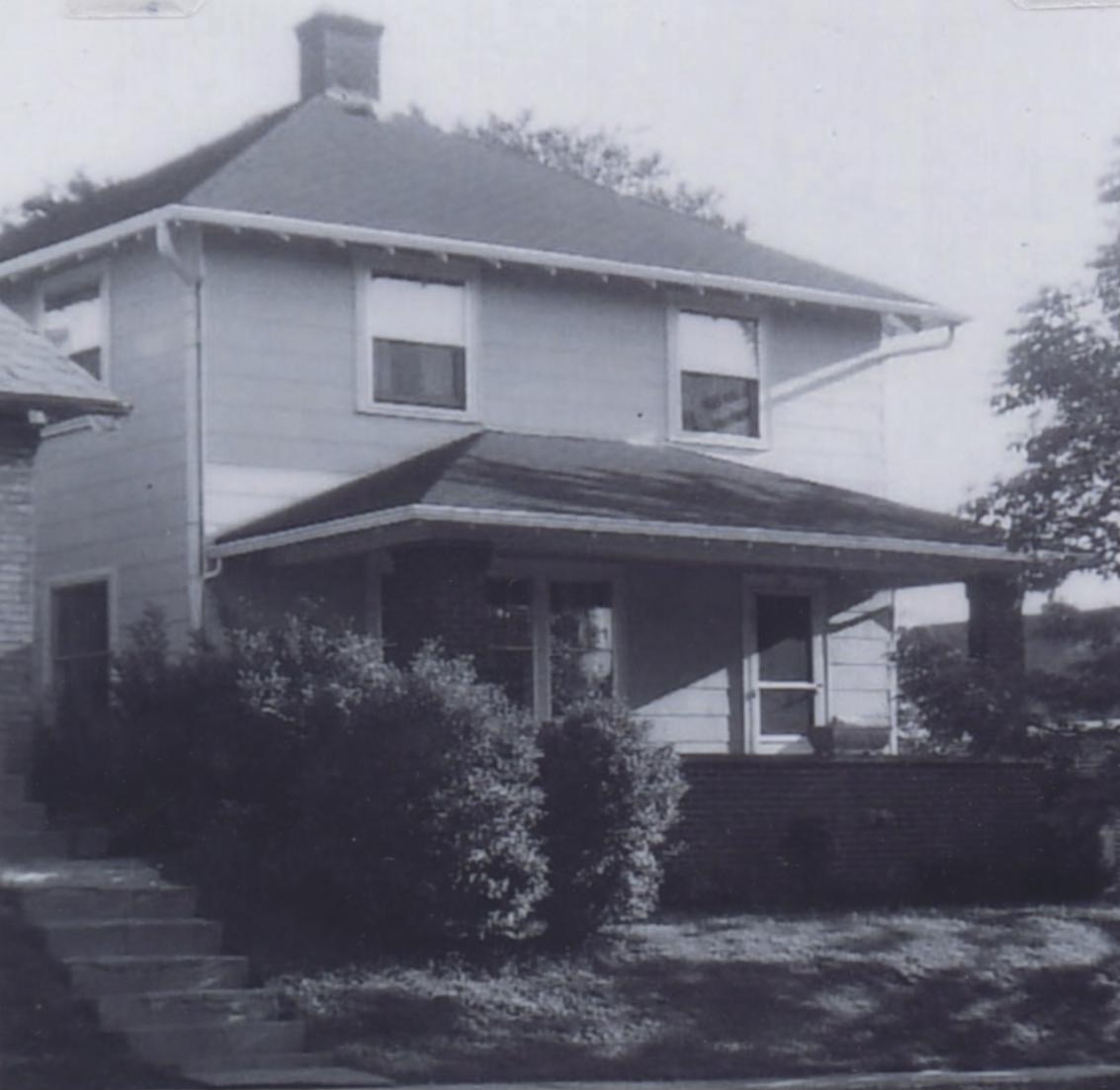
138 East North Broadway. Ralph Taylor Van Ness (1902-1989) and his wife Norma Thorp Van Ness (1910-2000) bought this house from North Broadway Methodist Church in 1960 and remodeled it.
Their daughter Margaret Van Ness (now Margaret Nelson) is shown on the porch.
Margaret writes,
Father dug out the basement and built his office downstairs. We lived next to the warden of the State Penitentiary. One time we bought a set of golf clubs from the warden’s sister. Another time, when my parents found an old safe in the attic of the garage, my father asked the trustees if there were any safe crackers amongst them. The answer: “No, Doc, but maybe next week.” My parents sent the safe to a company that could open it, so, we’ll never know if there was a treasure or a treasure map inside! Living on the other side of us was Arch Heck, a professor at Ohio State University, in charge of the Fulbright program, bringing students from abroad to study at OSU. Thus, my parents became hosts to several students, one from Nepal who, he told them, slept on the floor rather than messing up the bed.
The Van Nesses lived at this address until 1971. It has been significantly remodeled and expanded since the Van Ness time.
[Photos and narrative courtesy of Margaret Van Ness Nelson]Olentangy Park, from Alex Campbell
Transportation expert and collector Alex Campbell sent along some Olentangy Park pictures. Though you may or may not have already seen these pictures, Alex’ knowledge is invaluable. From Alex:
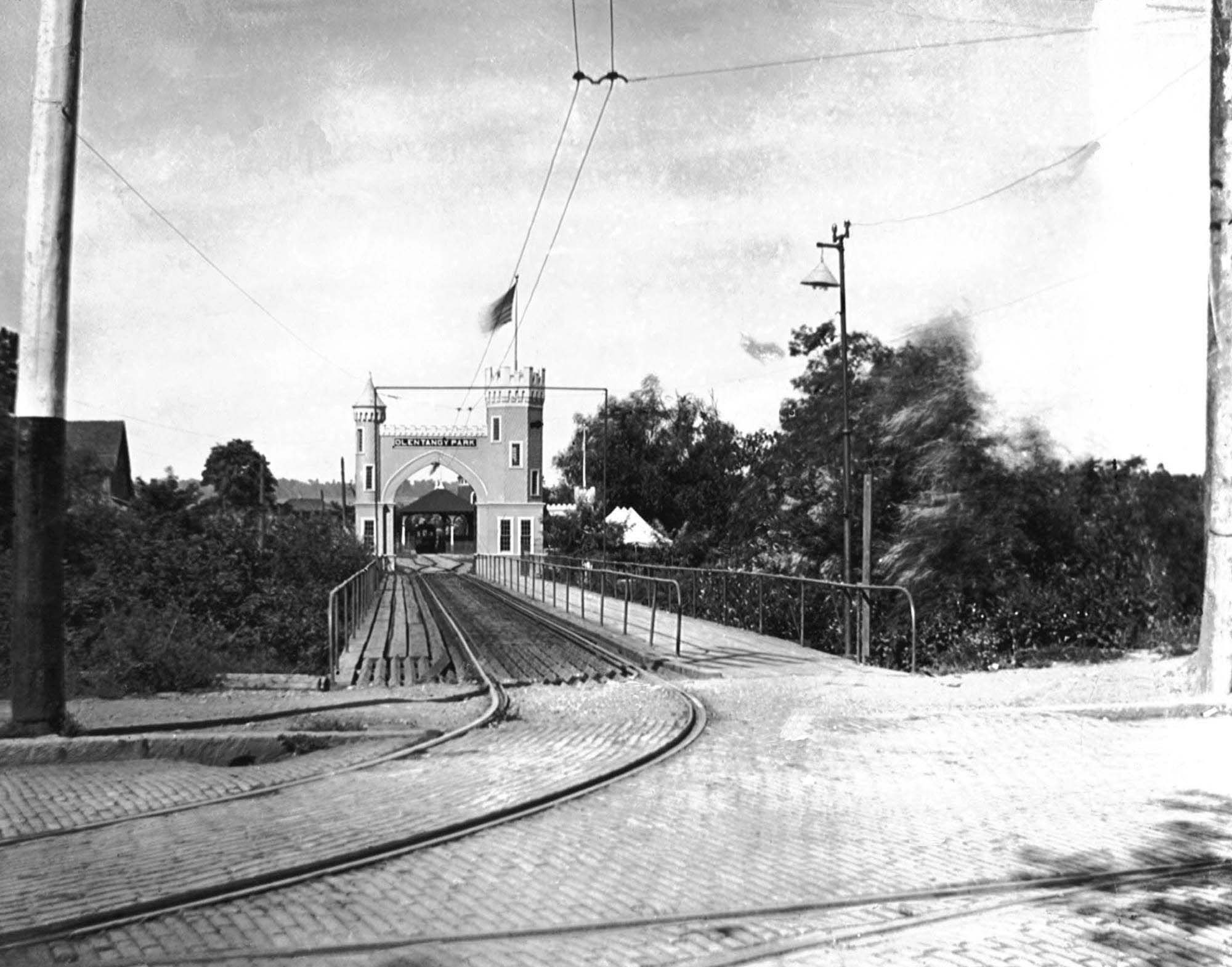
This is the streetcar and pedestrian entrance to Olentangy Park. Olentangy Park was purchased by the Columbus Railway & Light Co. in 1897 as a way to generate business. The high Street line ended at Arcadia. The North High Streetcar house was on the northeast corner of Arcadia and High Streets and directly across the street this park entrance. The Clintonville–Worthington streetcar line terminated at Arcadia as well hence the need for the pedestrian walkway.
Glenn Echo ravine runs east-west along the north side of the ravine. Crossing under the bridge is a north-south ravine that paralleled high Street. More on the north-south ravine on Wednesday.
The single track branches into two tracks, perhaps a loop. There is a loading platform beyond the arch. The single track into the park is going to be unsatisfactory as you will see on Wednesday.
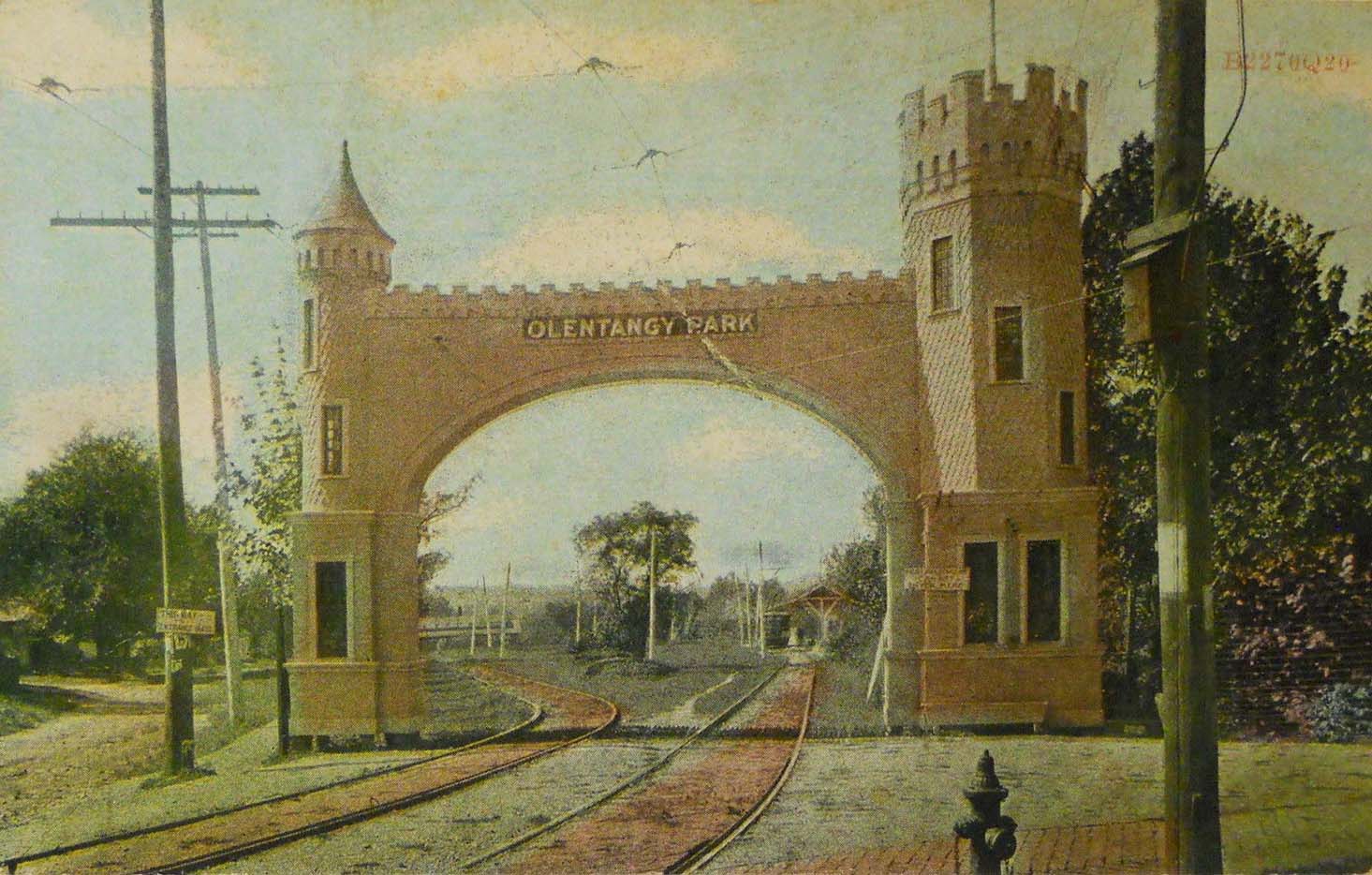
In 1907 the streetcar entrance to Olentangy Park was rebuilt. The ravine paralleling High Street was filled in eliminating the bridge. The inbound and outbound cars no longer had to share a single track. The Clintonville-Worthington visitors still had to walk in using the gravel path to the left of the entrance. (The CR&L Co was wide gauge and the Worthington line standard gauge.)
In 1899 the CR&L Co. sold the park to the Dusenbury brothers who transitioned it from a nature park to an amusement park. The brothers also built a 2248 seat theater.
When the theater let out the surge of streetcar customers must have required tens of streetcars. If they packed the cars with 60 riders each they would need 37 streetcars. That may be the reason the company made the improvements to the park streetcar loop and terminal.
At 5 cents a ride they would have collected $112, good money since they paid so little to their employees.
Alex also put together a super helpful Olentangy Park Chronology as an aid in dating all the Park photos that have shown up in the last few years. (Ohiomemory.org has a number of good Park photos.) Many of the chronology dates came from websites–so they are susceptible to error. Still it does give a sense of the life cycle of the park.
[ca1900 photo from the Christopher Trumbull Collection, by way of Alex Campbell. Postcard postmarked 1909 from the Alex Campbell Collection. Chronology courtesy of Alex Campbell]25 and 29 Tibet Road
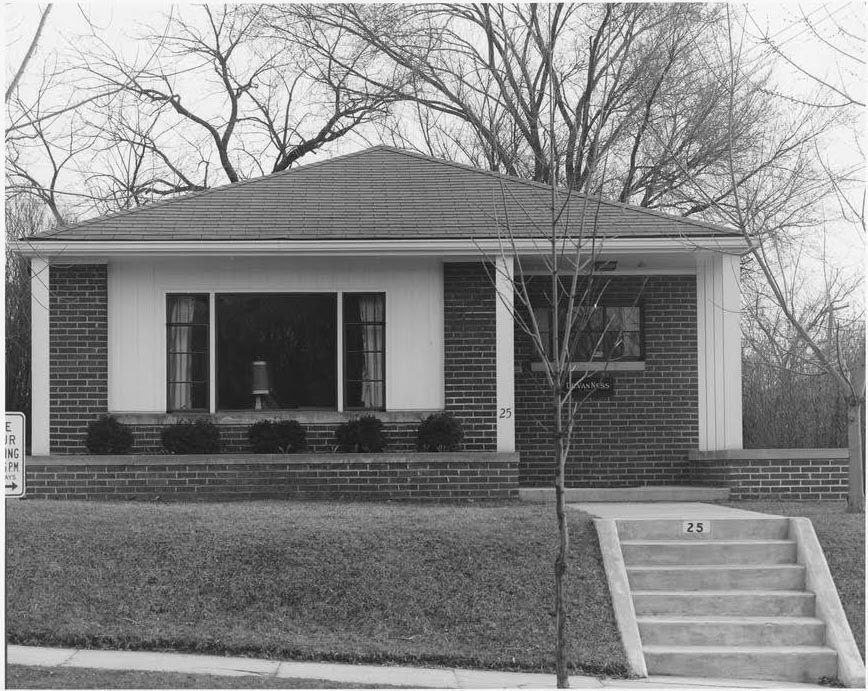 Margaret Nelson grew up in Clintonville and has kindly shared her treasure trove of pix of Clintonville with us. This is the medical office building her father, Dr. Ralph Taylor Van Ness, built in the 1950s at 25 Tibet Road.
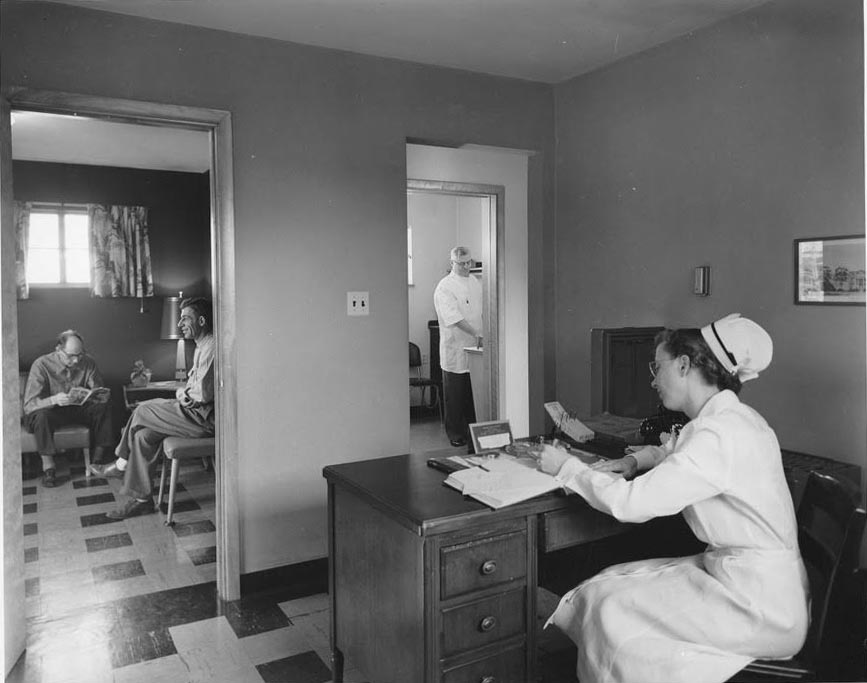
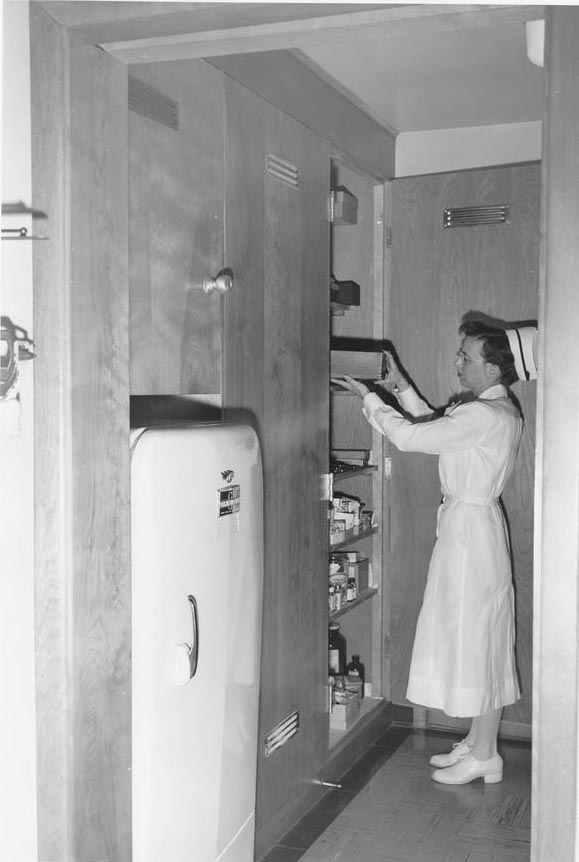
Below is a view of the inside. You can see patients in the waiting room, the nurse, Margaret Deckard, at her desk, and Margaret’s father, Dr. Ralph Taylor Van Ness, in another room. The photo on the right shows Mrs. Deckard in the supply room.
 The Van Ness family lived next door to the medical office, at 29 Tibet Road.
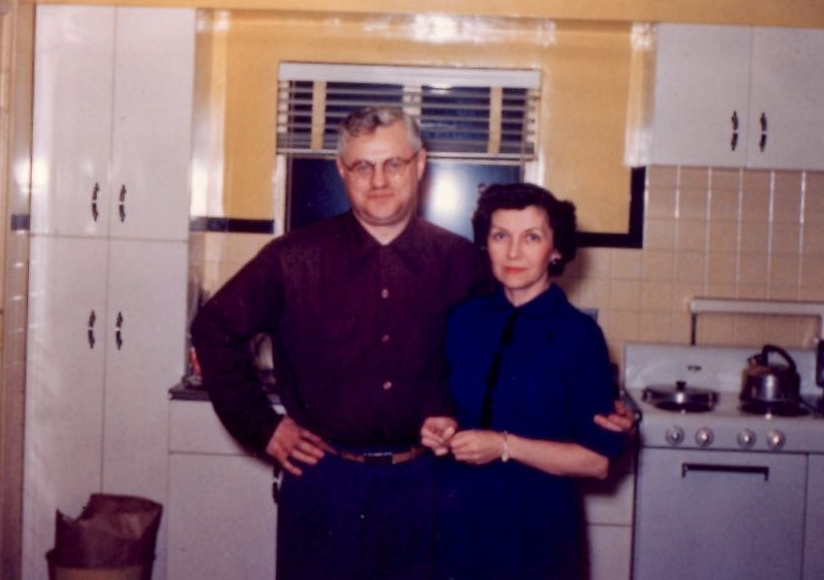 Here are Margaret’s parents in their 1950s kitchen. They sold to Dr. John Gardiner in 1959 and then moved to 138 East North Broadway.
310 East Weber Road
The Van Ness family lived at 310 East Weber from about 1947 to about 1950.
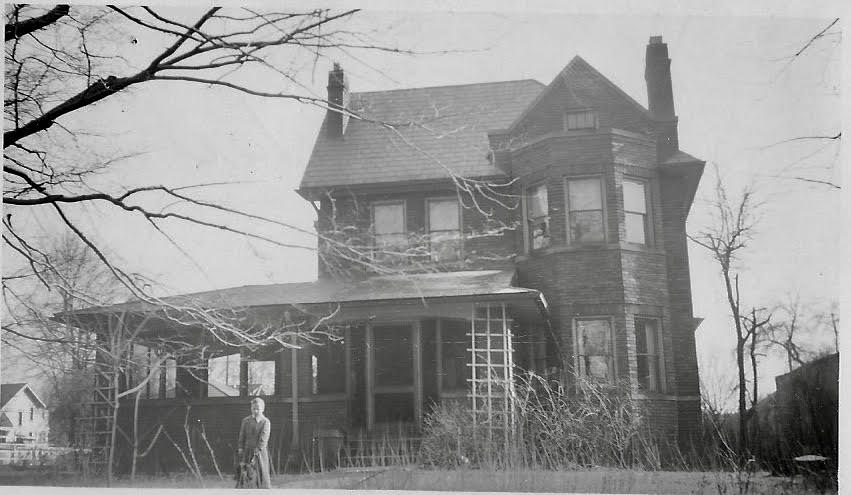 This is the front of the house with Margaret Van Ness Nelson’s brother John Van Ness standing in front.
Though the house was on the north side of Weber, the building itself faced north toward a right-of-way that was never developed into a street. Or maybe the right of way was partially developed and is now “Iswald Road”?
There were 4 houses between 310 E Weber, and the corner of Weber and Calumet. The current house on that corner hadn’t been built yet when the Van Nesses lived there.
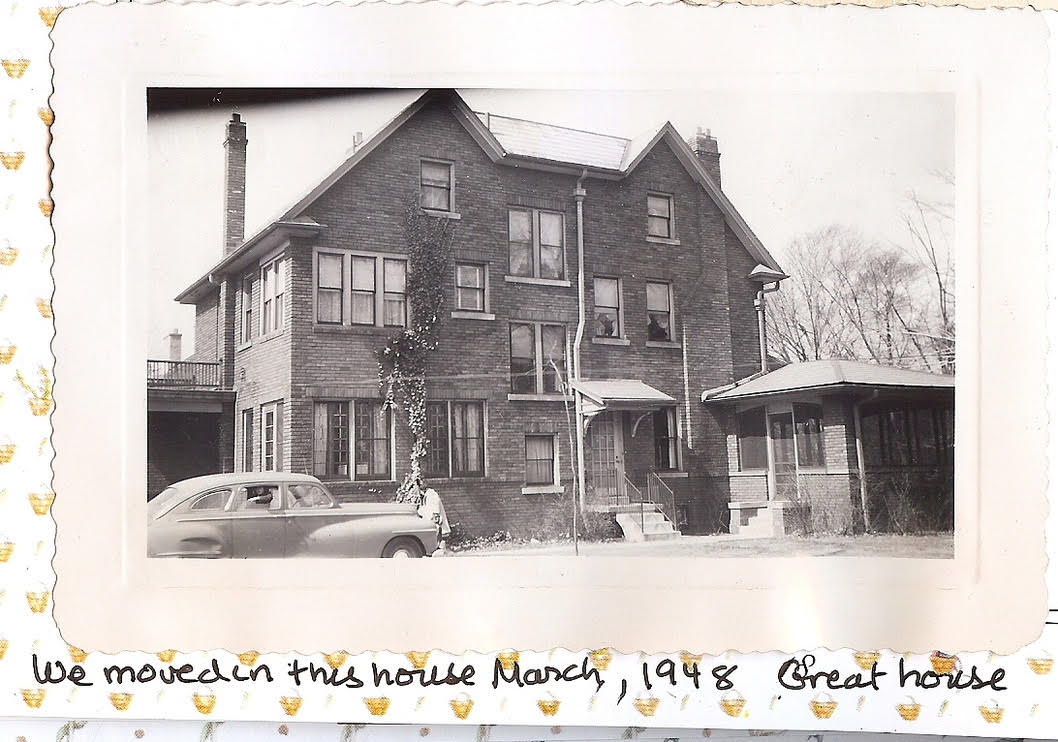 This is a side view–the east side–of 310 E Weber.
Margaret writes, “Our front yard was a ditch that was supposed to be a street but was never built. We played in the woods. We called it the Hala [after ‘Walhalla’]. There was the first Hala and the second Hala, which is where the white Mooney house still stands. It was sort of scary so we didn’t go near it. On the other side of Hala #2 was where Darien and Jan Mooney lived in a one-story house, which intrigued us with the kitchen on the first floor.”
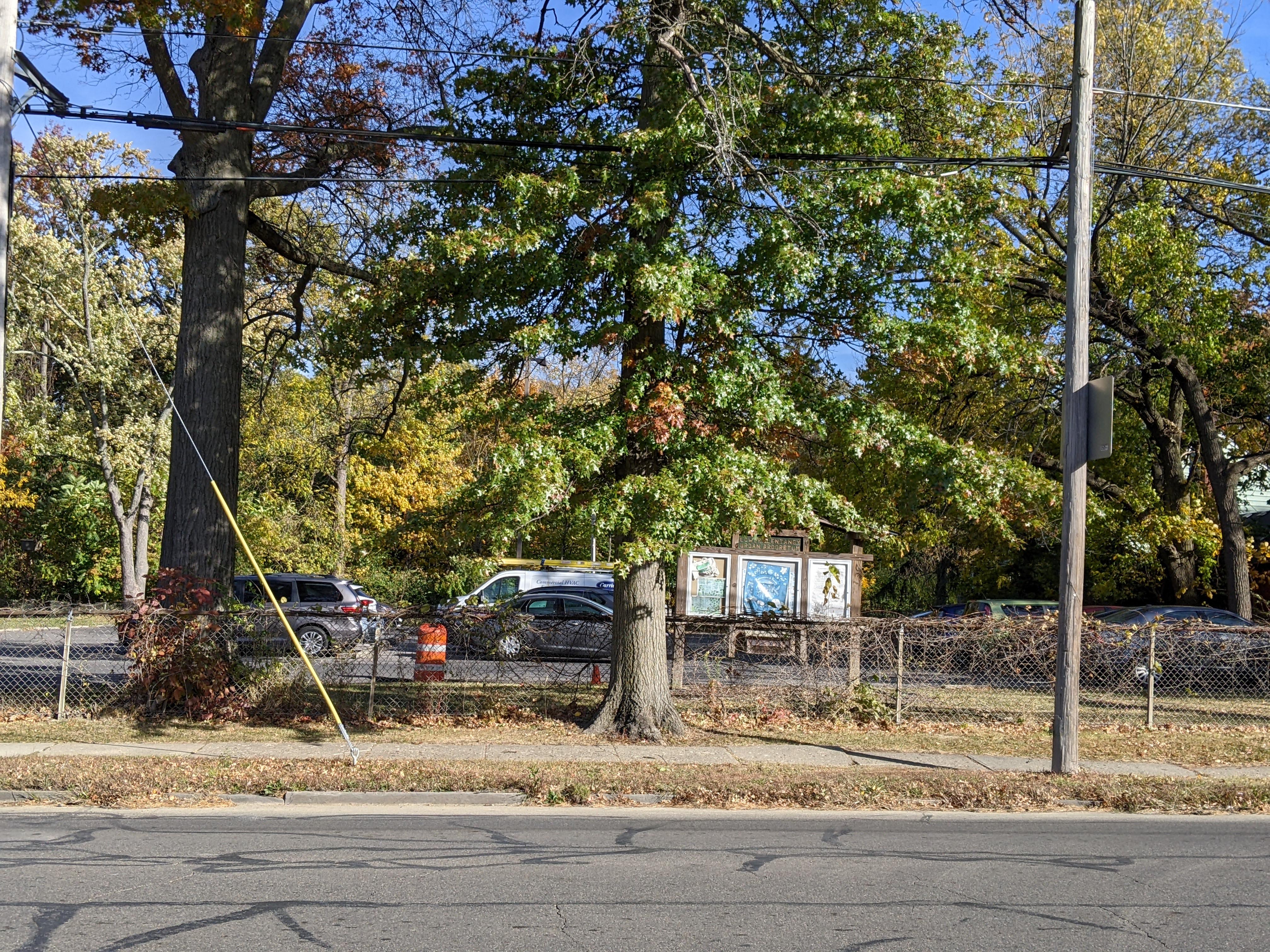 The house at 310 Weber was eventually torn down to make a parking lot for Crestview School.
HouseNovel Hopes to Crowdsource Home Histories
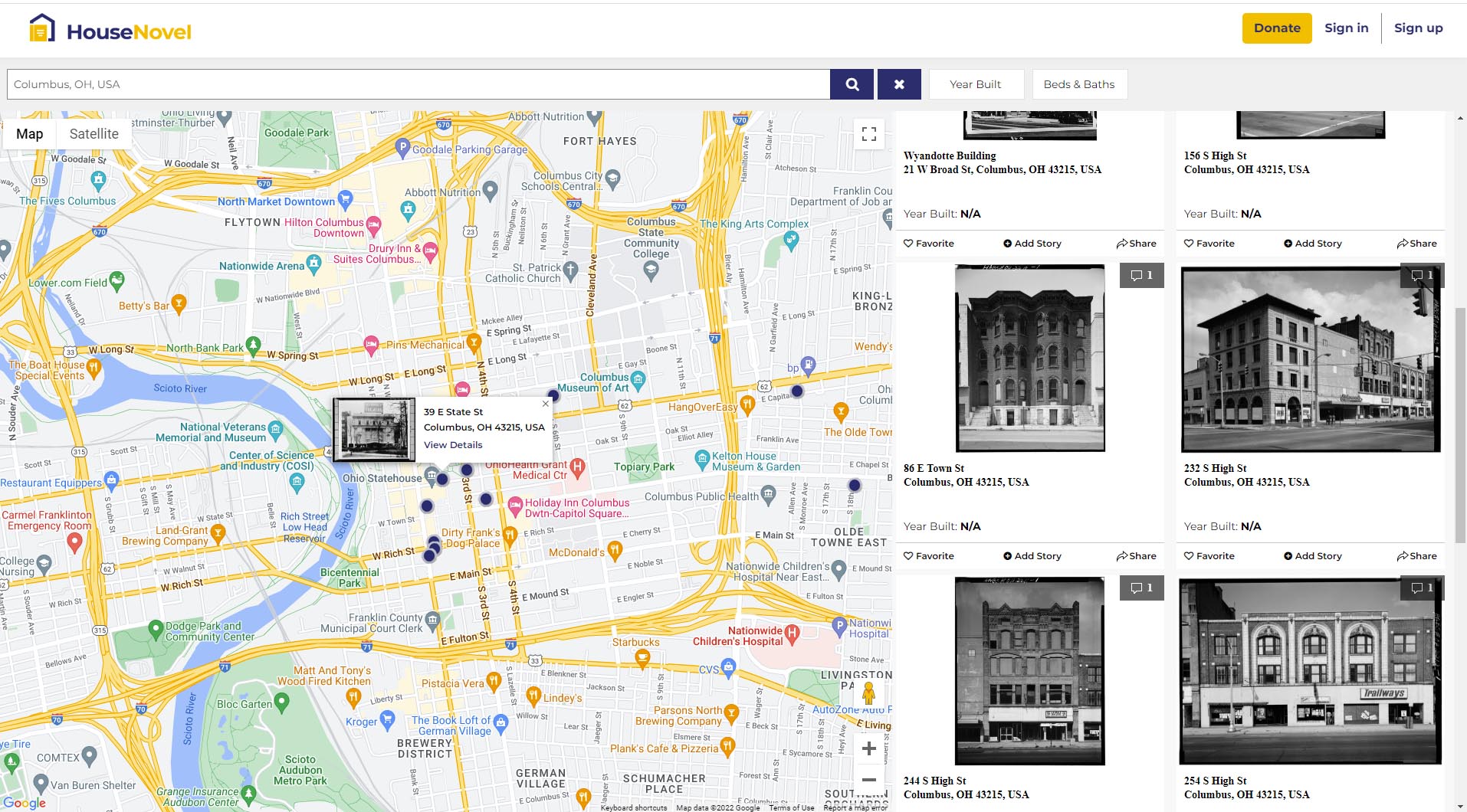
According to an article in the TCB web site written by Dan Niepow:
…The idea came to fruition in the form of HouseNovel.com, a website that Zielike describes as one part Zillow and one part Ancestry.com. It essentially operates as a social media platform where users upload historical photos, personal anecdotes, construction dates, and other details about residential properties. It’s designed to show how properties have changed over the years. The site is free to use, but the two aim to generate revenue through a subscription-based advertising model. Advertisers pay a monthly fee starting at $349.
“We’re going after real estate professionals who care about home history, whether that’s real estate agents, architects, general contractors, or any other people in the real estate trade that focus on older homes,” Decker says. “We feel there’s a huge market for that and for those sorts of services.”
The couple worked with Square 1 Group, a California-based web developer focused on real estate websites. In addition to crowdsourced material, HouseNovel is sharing its platform with any interested local historical groups to supplement property information and partner on special projects; the company has already landed a partnership with Edina’s Heritage Preservation Commission and St. Paul-based historic preservation nonprofit Rethos.
As of August, Zielike says there have been more than 18,000 home profile records uploaded to the site, about 10,000 of those in Minnesota. For now, HouseNovel is focusing on residential properties, but eventually it aims to open it up more broadly to commercial real estate.
You can read more here.
The HouseNovel web site may be found here.
175 East Tibet Road
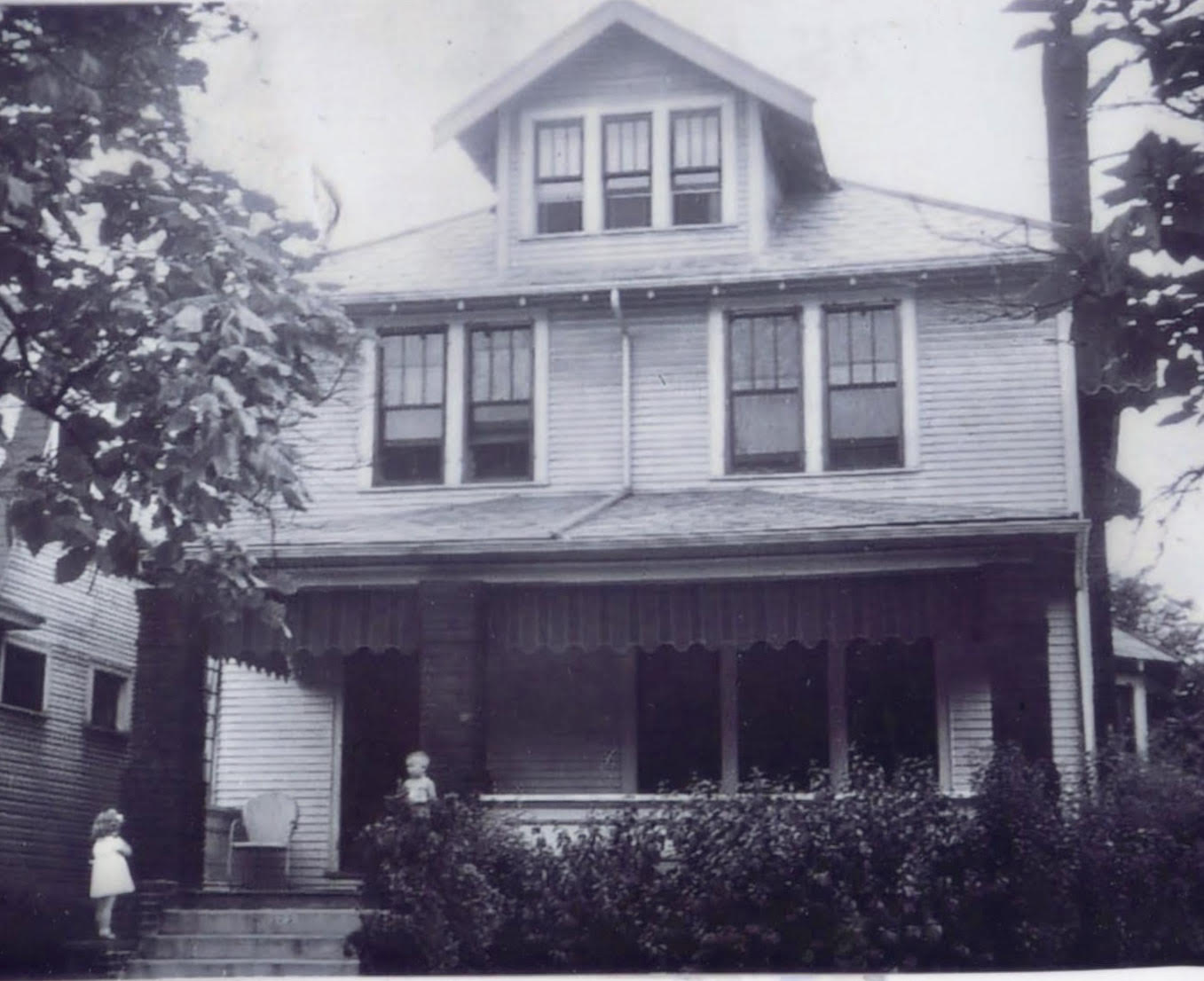 Margaret Van Ness Nelson has shared many family photos with us; this is the house her parents lived in, at 175 East Tibet Road, from 1942-1947.
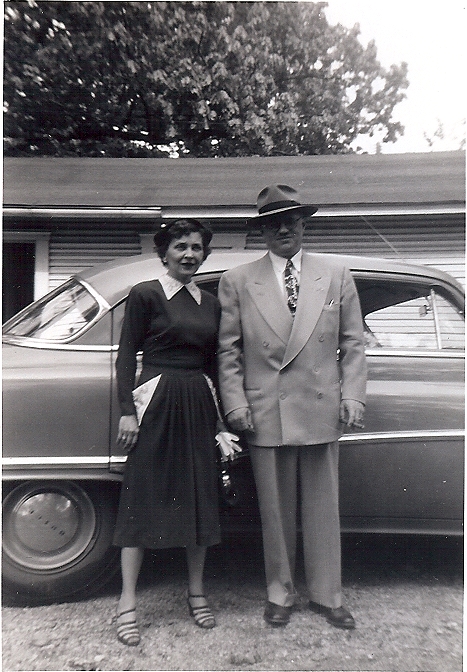 And here’s a nice contemporaneous picture. Margaret writes, “My mother, Norma Thorp Van Ness, 10 April 1946, in our Dodge, parked across from our house at 175 Tibet, back when there was lots of room to park cars.”
[Photos Courtesy of Margaret Van Ness Nelson.]