
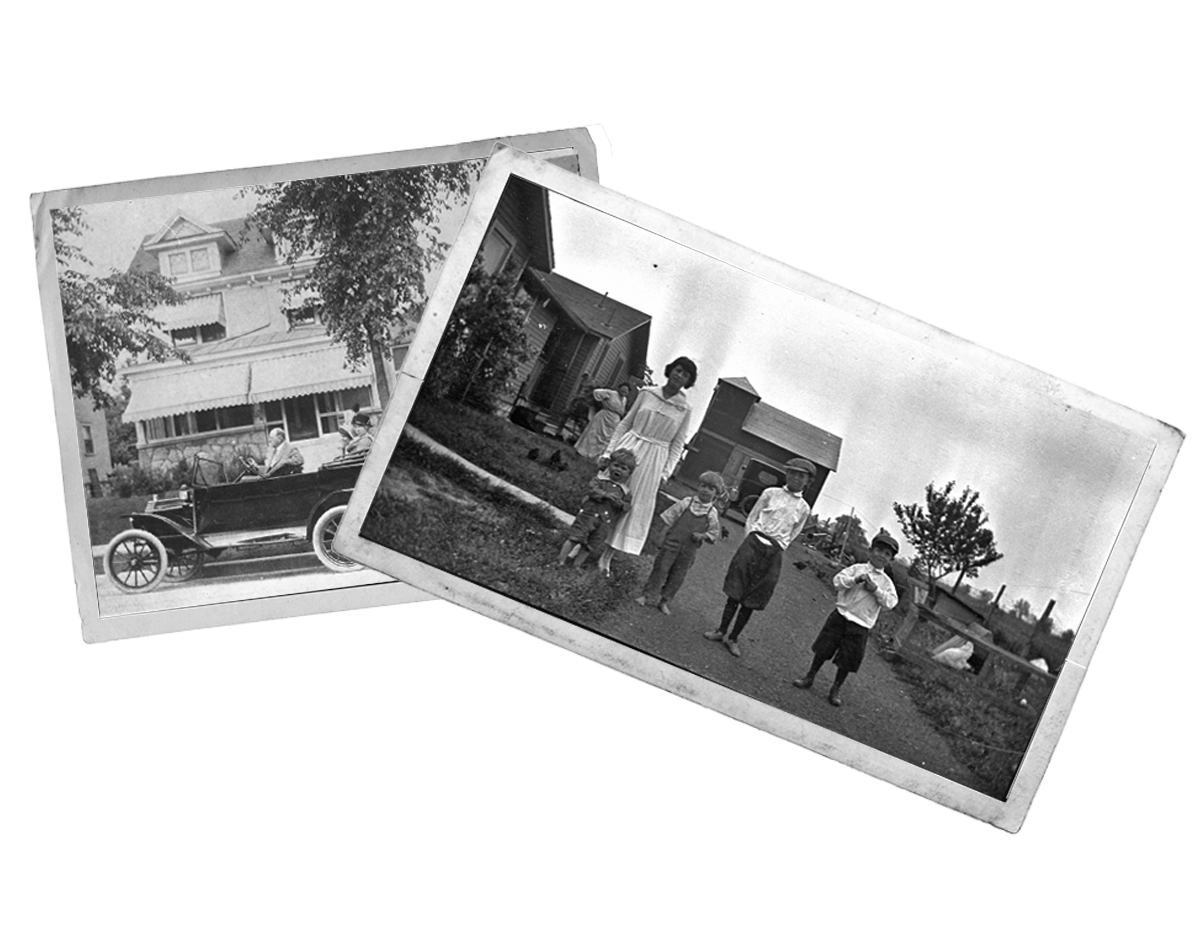

Gordon Brevoort’s Chickentown
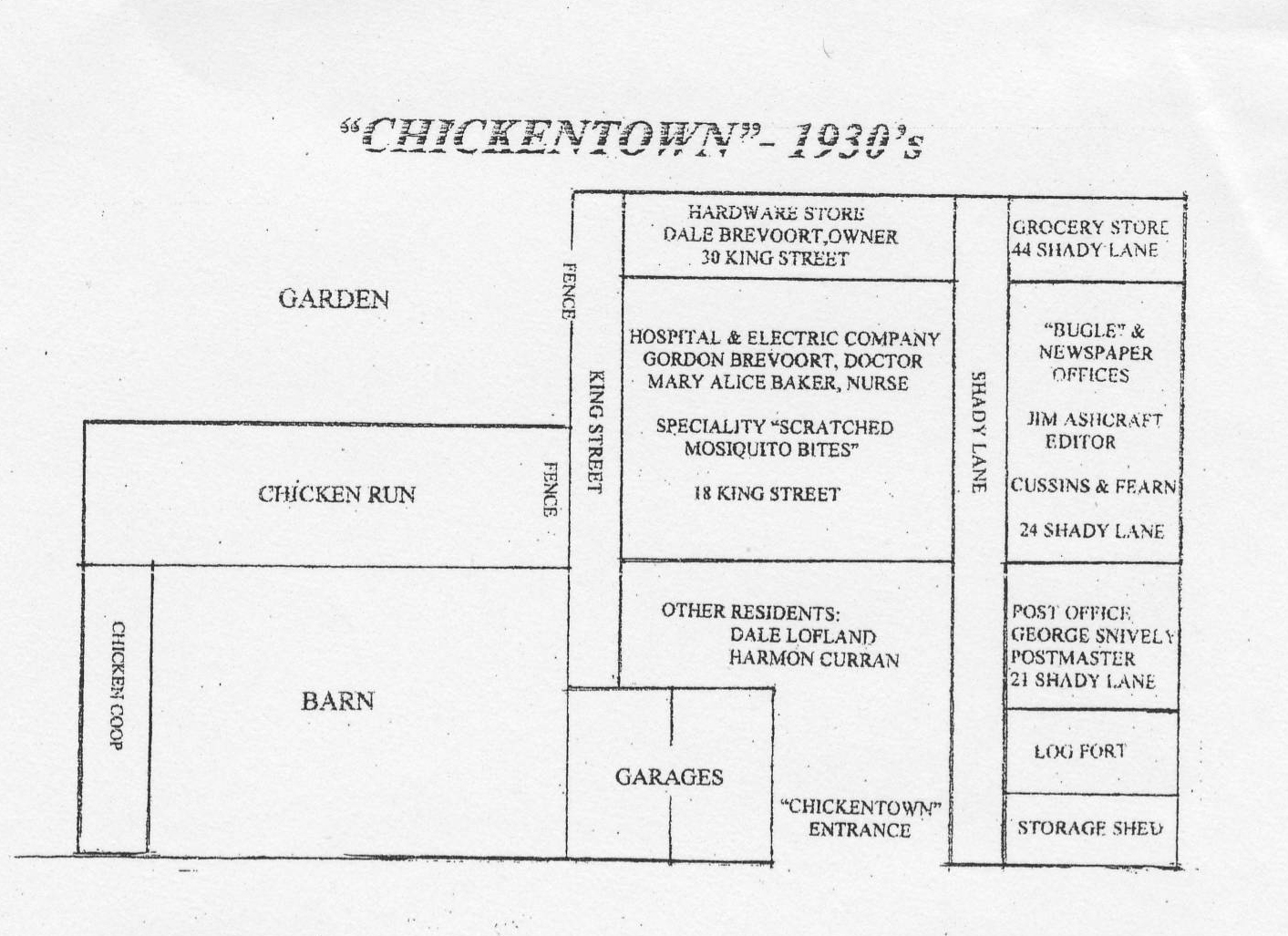
 Several years back, Gordon Brevoort gave a wonderful presentation to the Clintonville Historical Society about he and his family’s life in Clintonville. The Brevoorts are one of Clintonville’s oldest families, and some still live in the neighborhood.
Gordon told the listeners about Chicktown, the fantasy land he and his friends played in.
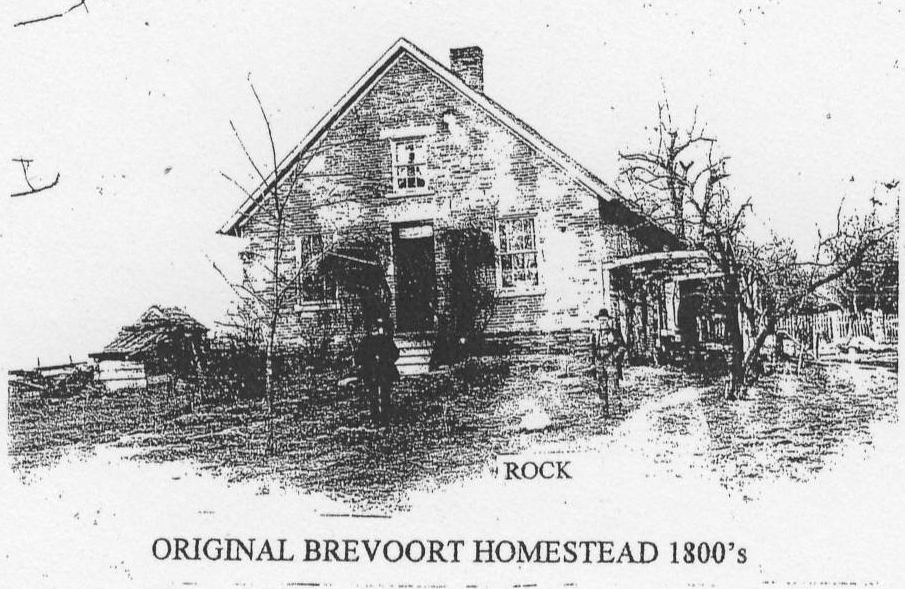
The old Brevoort homestead has been torn down but I liked the old image of it. (There is a picture of it on page 12 of my book). More from or about the Brevoorts here.
(Documents and photo courtesy of Gordon Brevoort)
 Brevoort brothers Frank Jr., Gordon, and Dale play on a railroad box in or near Worthington, in 1931. (Photo courtesy of Gordon Brevoort)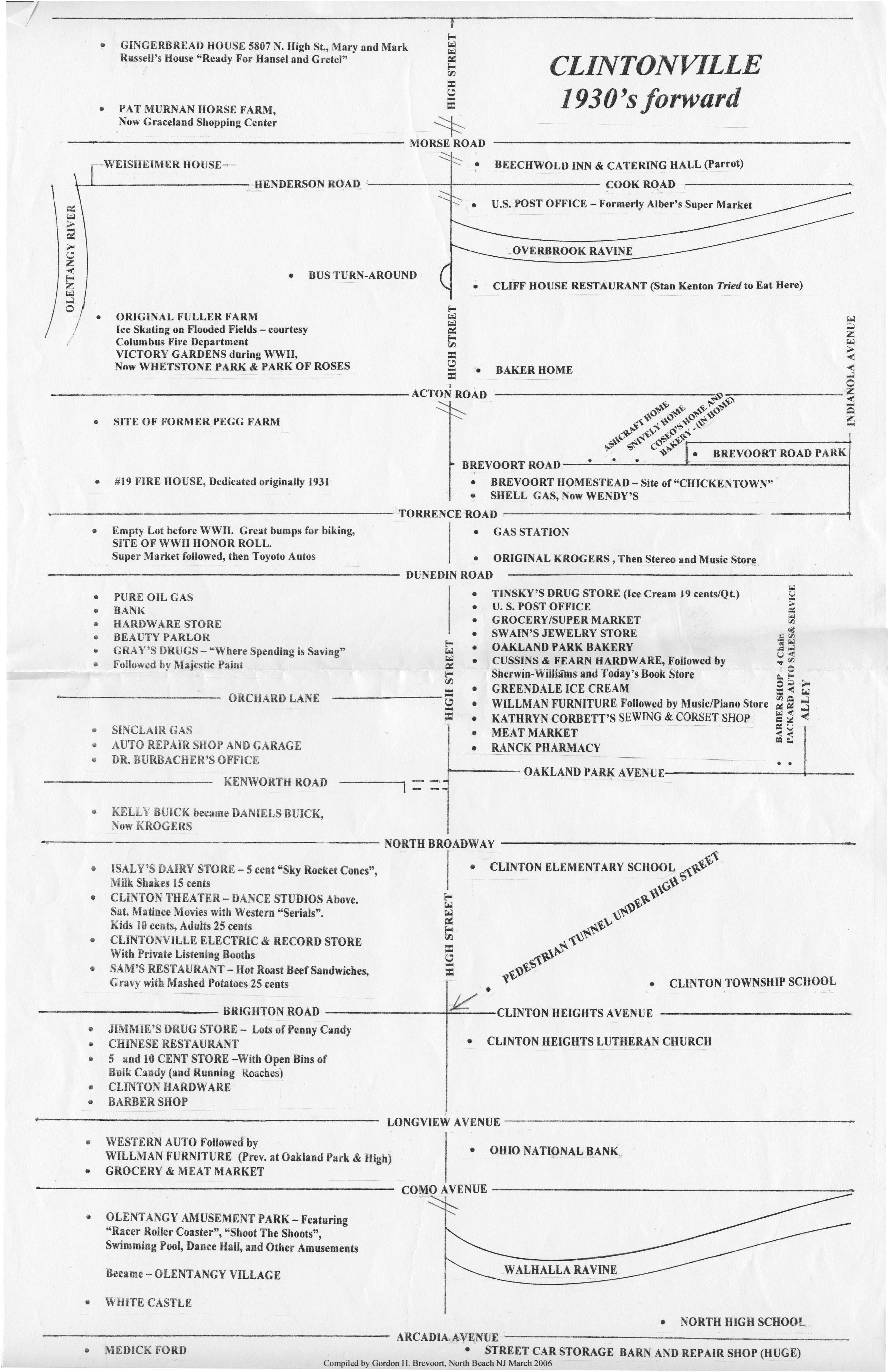

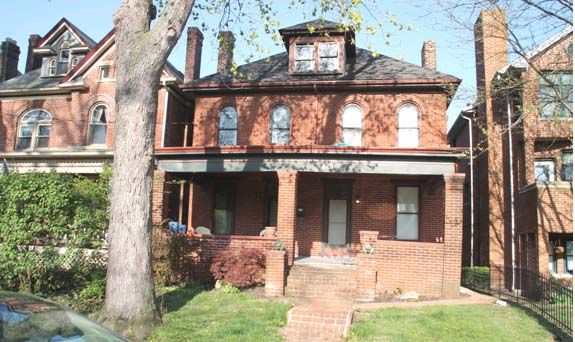
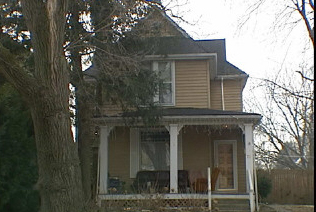 Perhaps the first house to be built on East Como was this house at 71 East Como. The owner from 1908-1926 said he recalled a little brook that ran near the house and a footbridge leading to High Street.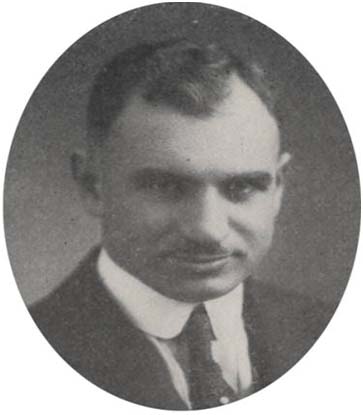

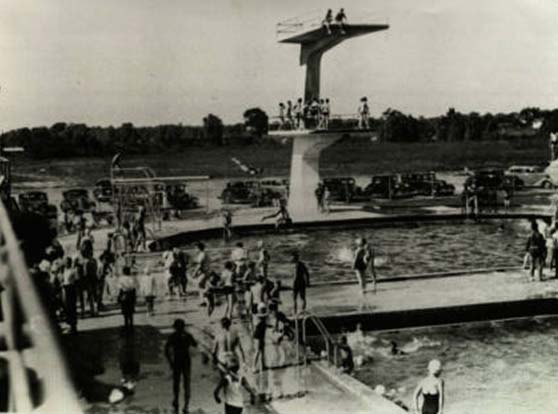
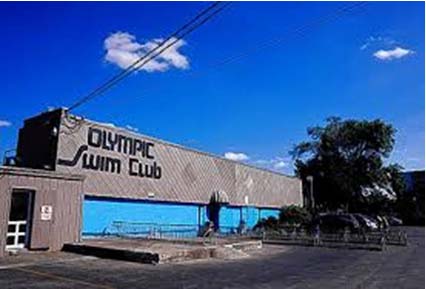
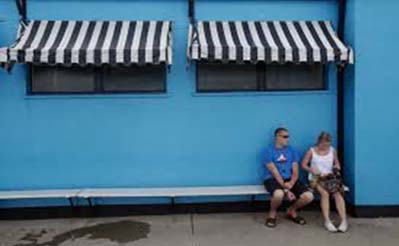
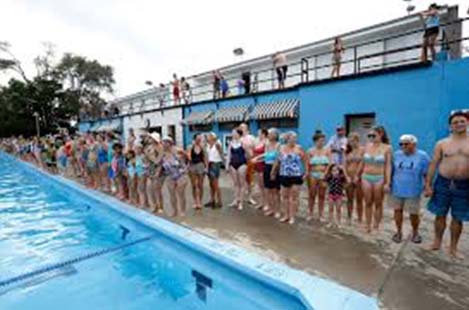
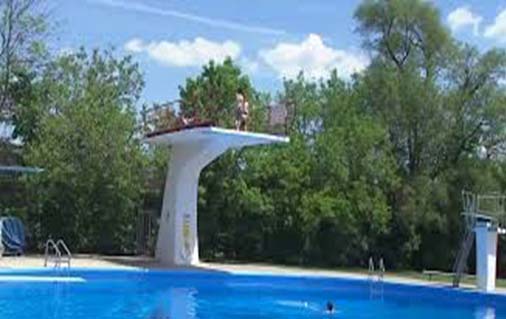
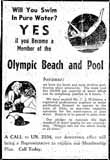 I love this ad for Olympic Beach in 1939. “Of interest to the ‘bathers’ of Northern Columbus is the care and precaution the management of the Olympic Pool is taking so that our families may swim in perfectly safe water, free from impurities and its dangers…“ Shortly after the pool was built, the Olympic Amusement Corporation, headed by Orr Zimmerman, assumed ownership of the pool. For many years the O.S.U. swimming and diving teams practiced there and many contestants for the summer Olympics came from all over the United States to train at the pool. Several national championships have been held there. Early on, only male lifeguards worked at the pool.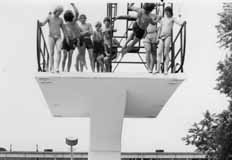


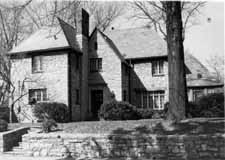 This house was built by Gilbert Hamilton, a real estate developer, in 1927. It sits on Glen Echo Ravine. The Gilbert Hamilton House is a lovely example of a Tudor Revival house, and displays old construction methods and design. The house is on the National Register of Historic Places. (Photo courtesy of the homeowner)
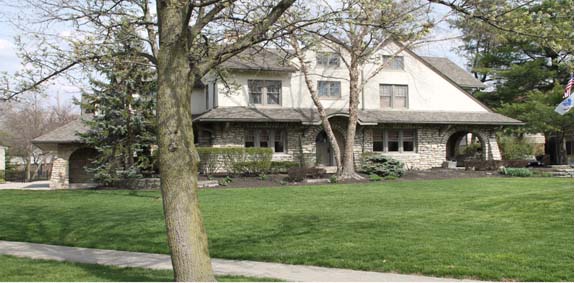
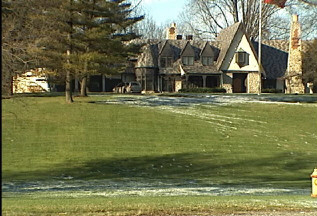 Orr Zimmerman, who owned the Olympic Swimming Pool, owned the Tudor-style house that still stands on the northwest corner of Henderson and Olentangy River Road. Zimmerman built the house in 1929 on what was then a 52-acre estate; at the time, Henderson was a country gravel road and Olentangy a narrow two-lane street. The architect was Thomas Tulley. Interior walls were decorated by a New York artist, with beautiful wooded scenes in both the trophy room and the living room. Two Canadian bear cubs, captured on a hunting trip, were raised in a small house on the property. In 1977 the house was a Decorators’ Show House.
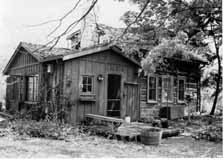 This diminutive log structure was built in Meigs County in 1840 and brought to Clintonville in 1937 by Grace McGrath, great-granddaughter of the original owner. The house was put next to McGrath’s home. McGrath was an art teacher at Central High School and she used it as an art studio. Subsequent owners have expanded the house with bathrooms, an updated kitchen and bedroom, and porch. (Photo by Inga Smith, photo displayed courtesy of the homeowner)