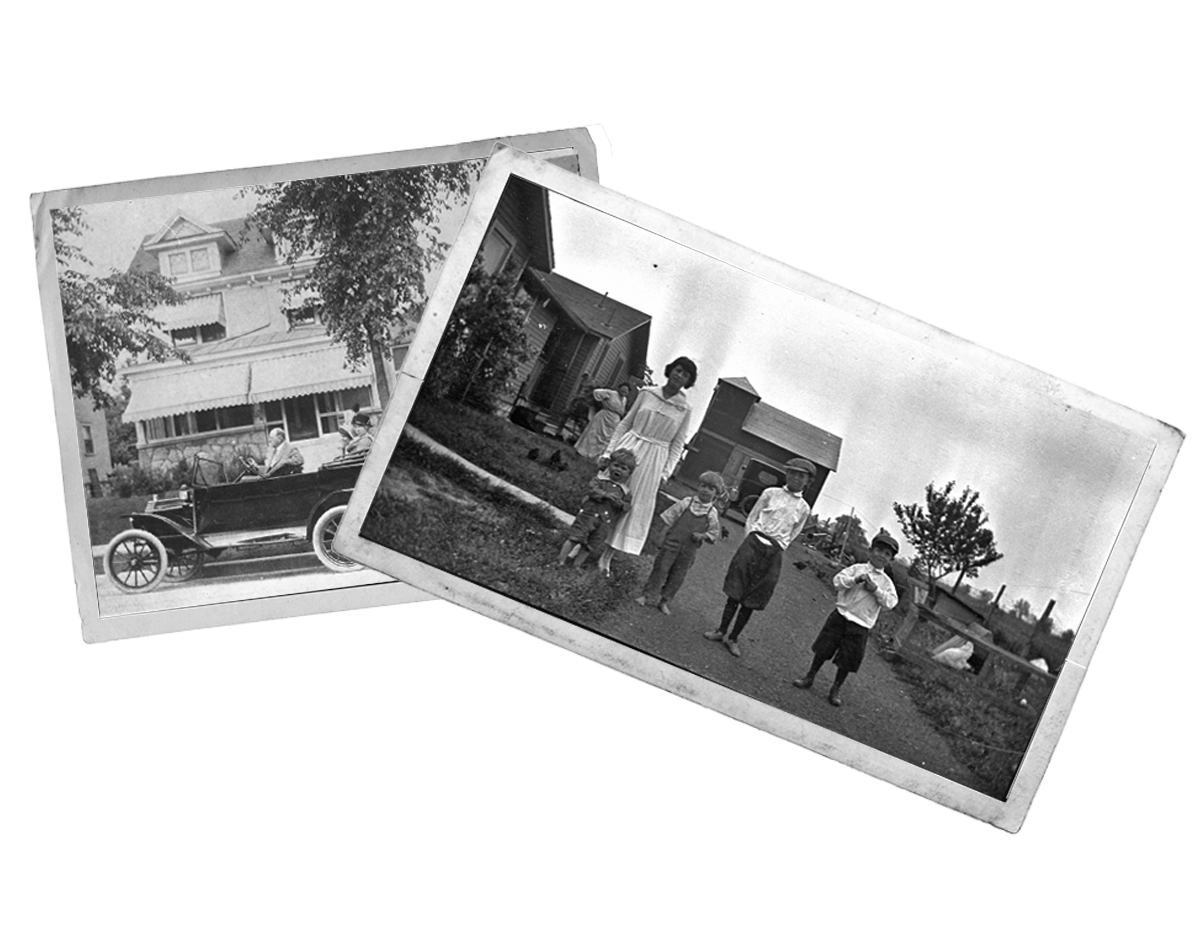

Orphanage at 218 Jason Avenue / 56 West Pacemont
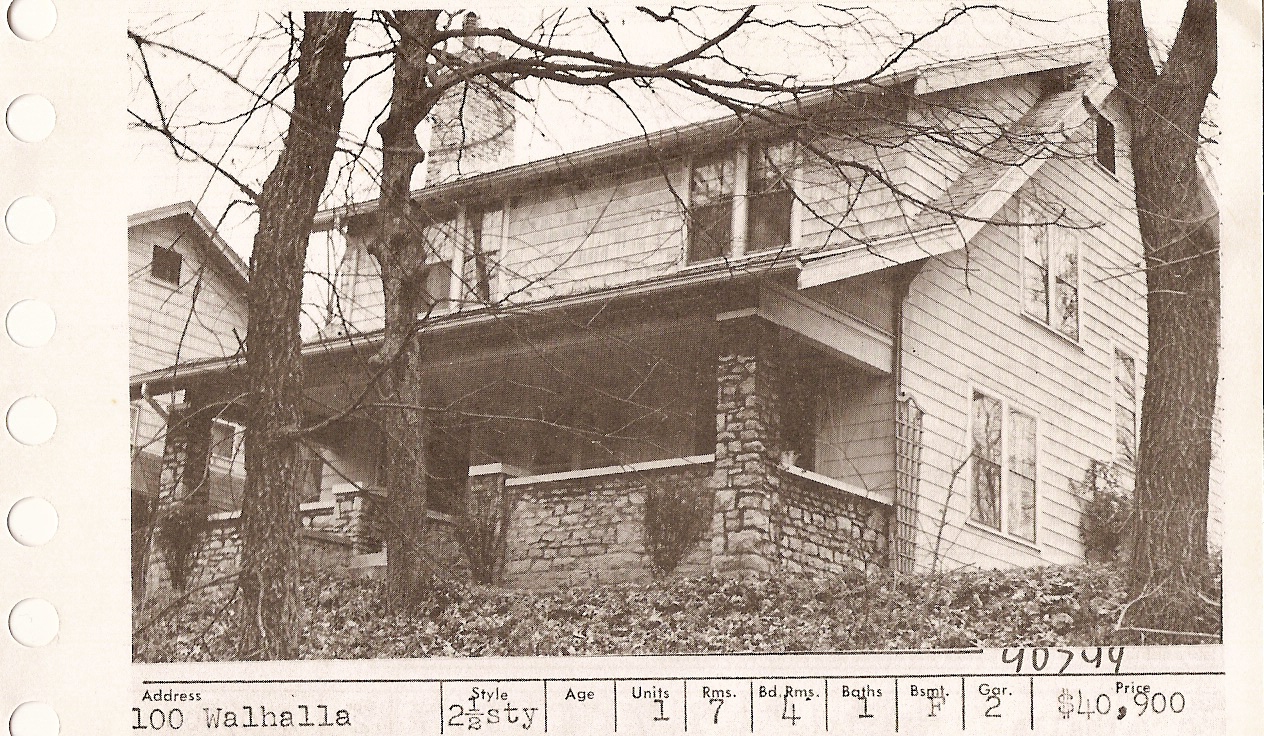
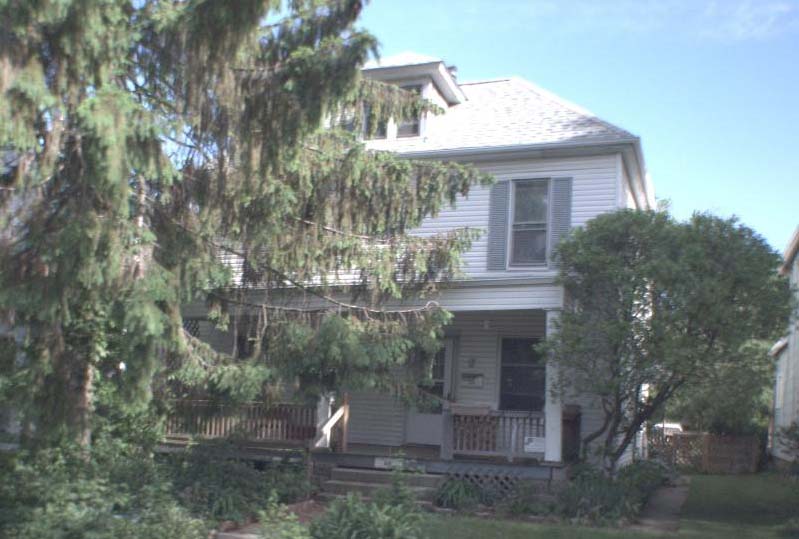 Back in 1910, this address served as a home for children.
First of all, in case you are wondering, there is currently no 218 Jason Avenue or 218 W. Pacemont. Pacemont Avenue was originally called Jason Avenue. The area where the orphanage stands was outside of the Columbus City limits in 1910 & 1920, during many of the years when it operated as an orphanage. When the western end of Jason/Pacemont was added as the “the Aldrich’s Riverside addition,” the house numbers were adjusted to compensate for all the new lots. The current address is 56 West Pacemont.
The boarding house/orphanage/nursery was run by Judiah & Mary Ella Throps (sometimes spelled Throp or Throop). Judiah was born in 1844, served in the Civil War, and died in 1913. (His occupation was listed as “Painter” and also, in 1910, as “Nursery.” Mary Ella was born in 1865, and died in 1933. (Her occupation was listed as “Housekeeper” and occasionally “Nurse”.) Both are buried in Union Cemetery.
According to the 1910 Census, the Throps had one 7 year old son living with them (son Ernest Throps). Mary was at the time 45 years old. They also had 12 young boarders living with them, all under the age of 6 and many just babies.
By the 1920 Census, Judiah had passed away. The 1920 census states that Mary (by this time, age 55) had 3 children living with in her household: Earnest Throps (age 16); William Throps (age 9), Mabel Leonard (a servant, age 29) and Glendus Leonard (age 5, listed as a boarder). (I can’t help wondering whether there were additional boarders, not listed by the census taker.)
By the 1930 Census, Mary was 64. By this time she had quite a few extra living companions: William Throps (son, age 19), Richard Throps (adopted son, age 4), Helen Gatewood (servant, age 22), Jeanne Paden (8), Oswin Poletzie (7), Shirley Poletzie (3), Elva Waton (18), Marie Obrien (6), Charles Jordan (6), Mick Tudor (3), Virginia Adkins (2), and Algie Donaldson (2).
This research was conducted by Scott Caputo of the Columbus Metropolitan Library, Main branch, Geneaology, History, & Travel Desk. We are so glad he discovered this history. Scott had a library client who knew that their grandmother had a child out of wedlock in 1910. The grandmother had put the infant in an “orphanage” located at 218 Jason Avenue, where he died shortly afterward. The infant was Harry White and is included in the 1910 census in a list of around a dozen “boarders” at this address. All are under 5 years old.
Here’s a directory of the source material used for the above information, and also linked to above:
Sanborn Maps
Censuses
Business Directories
Death and Civil War Records
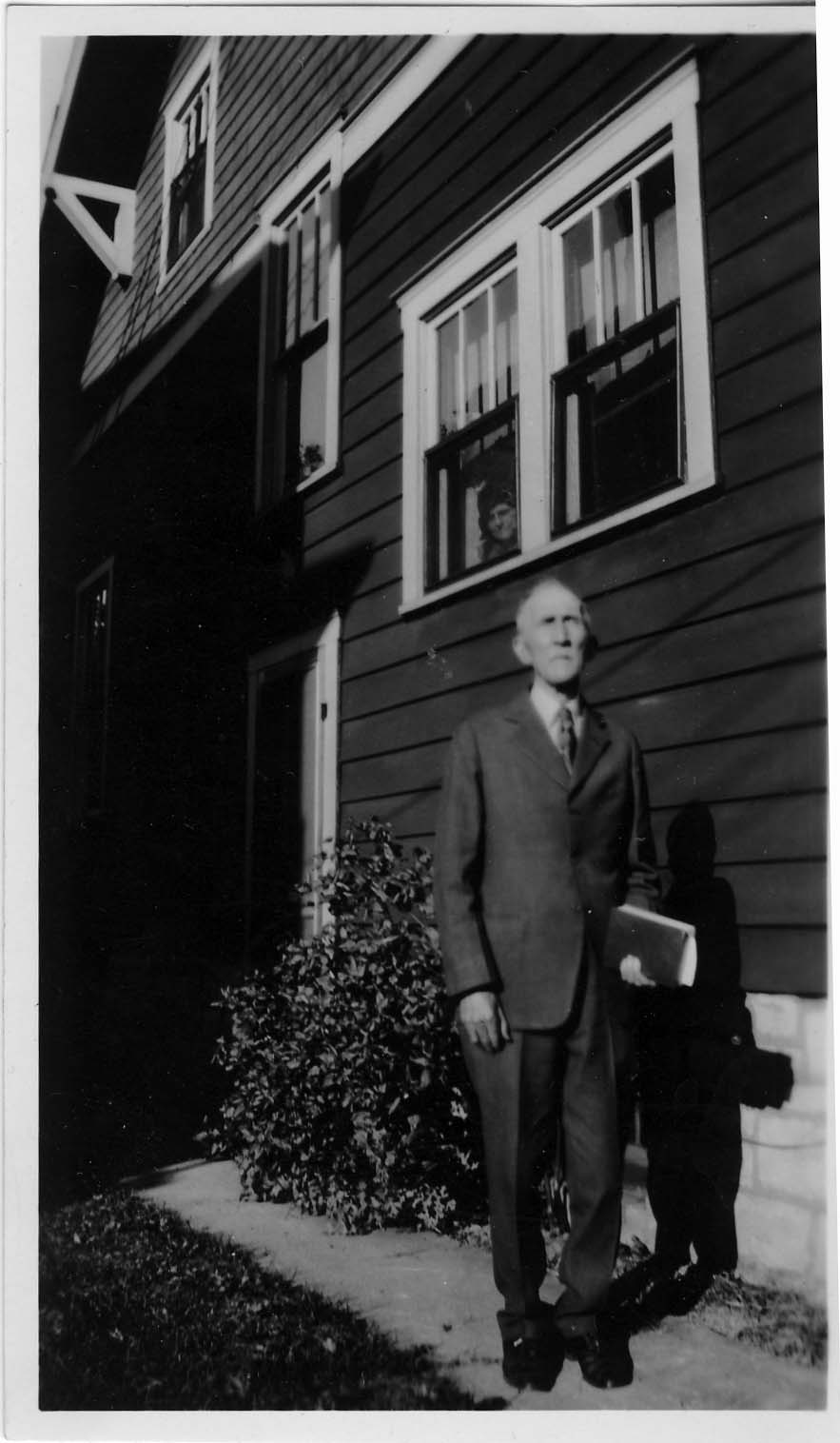
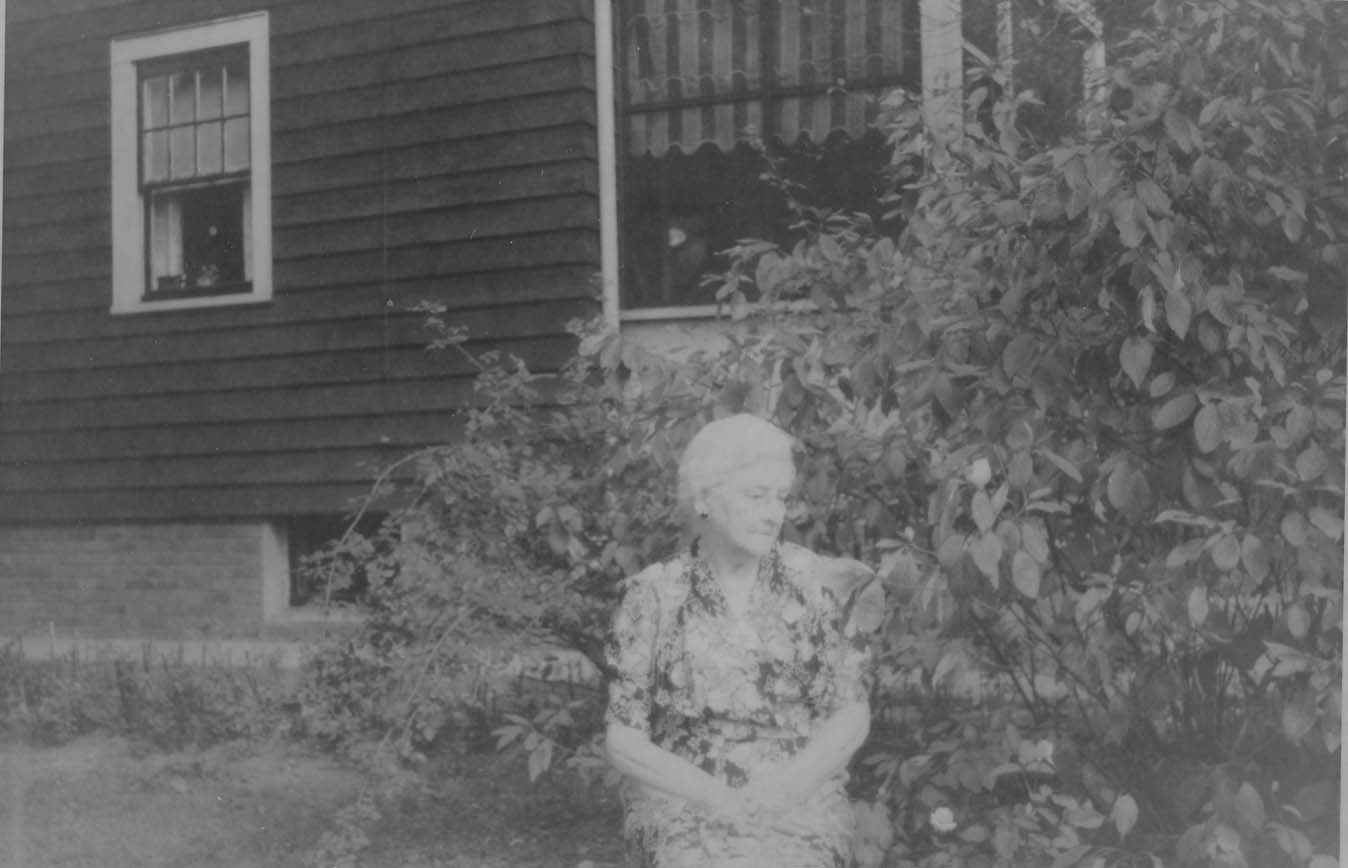
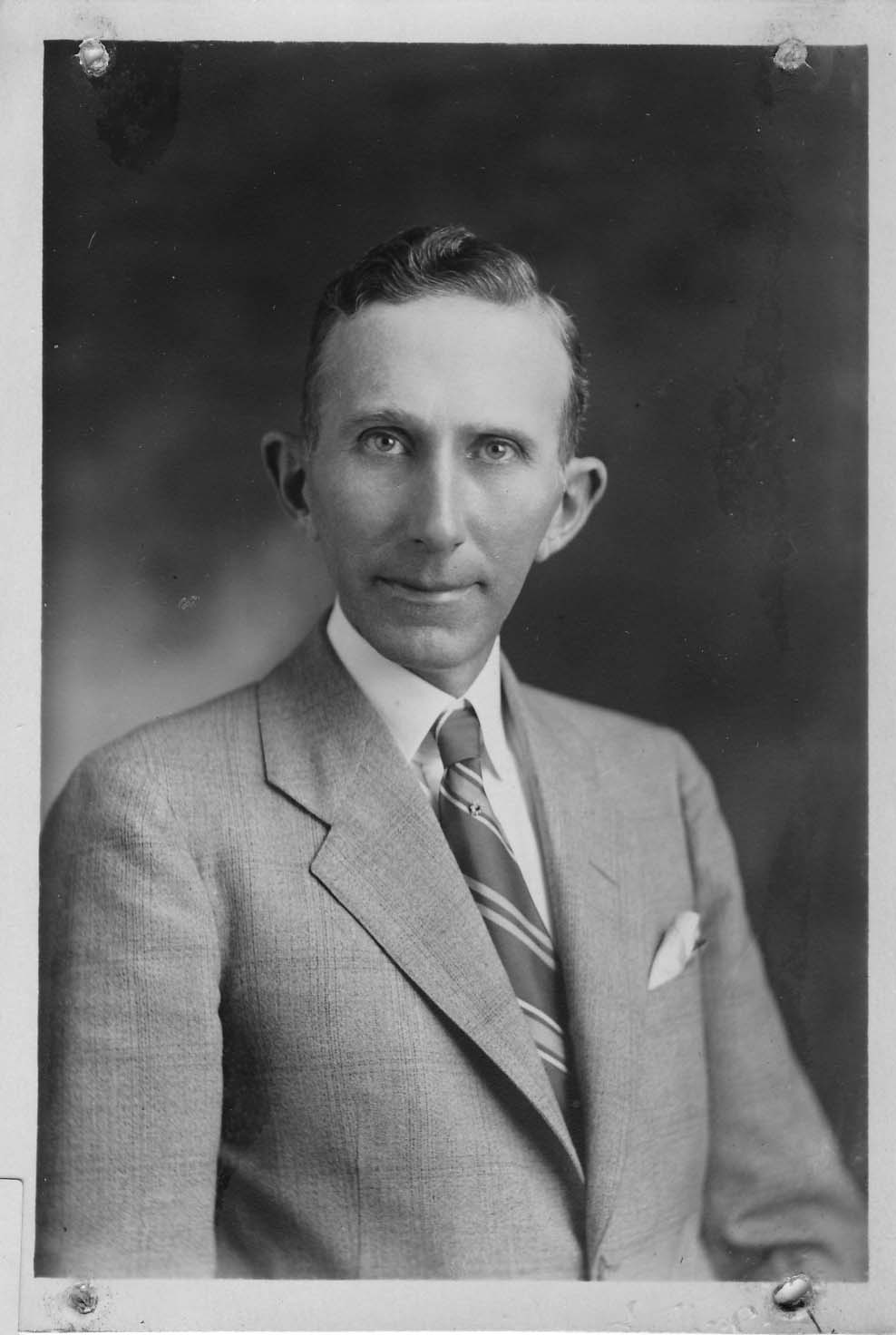
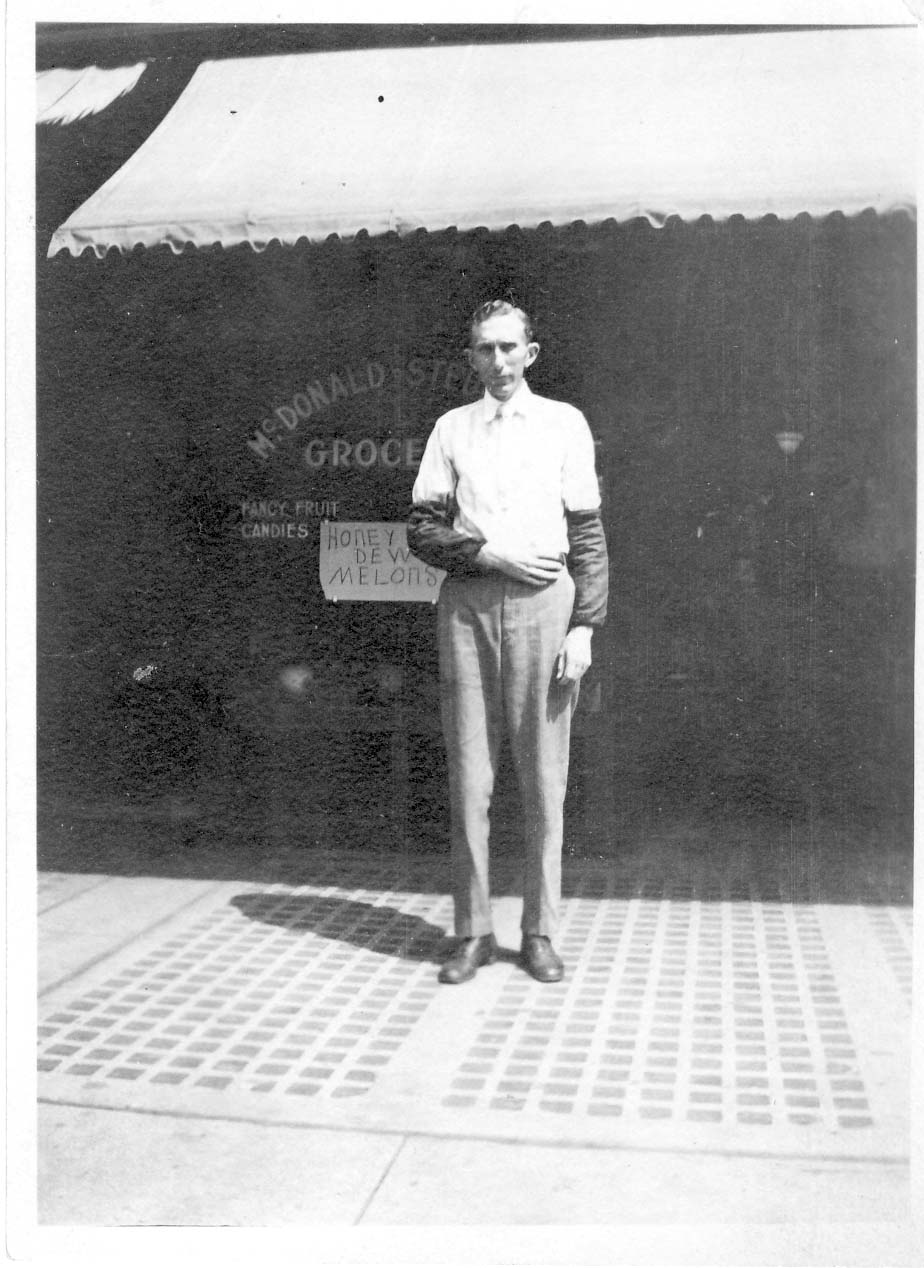
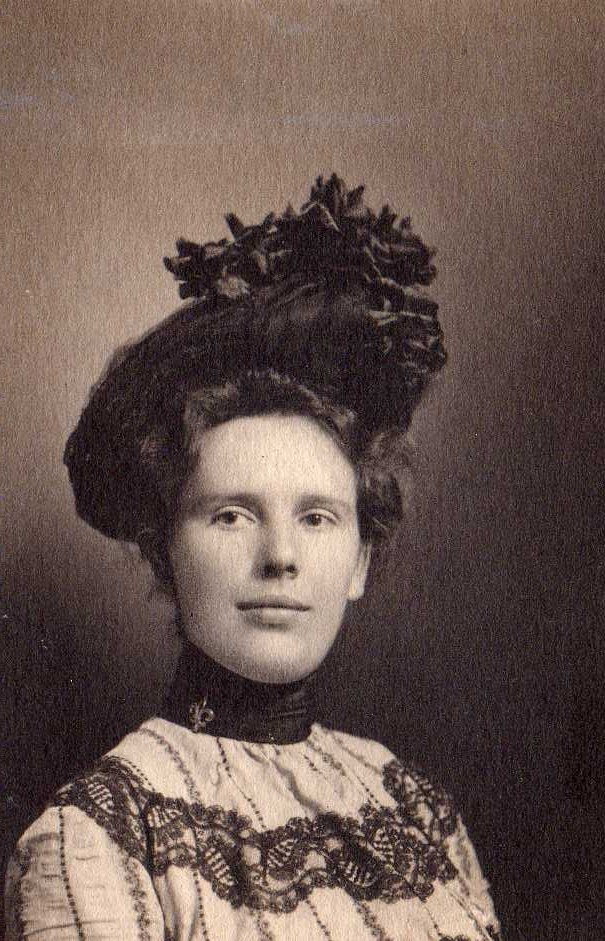
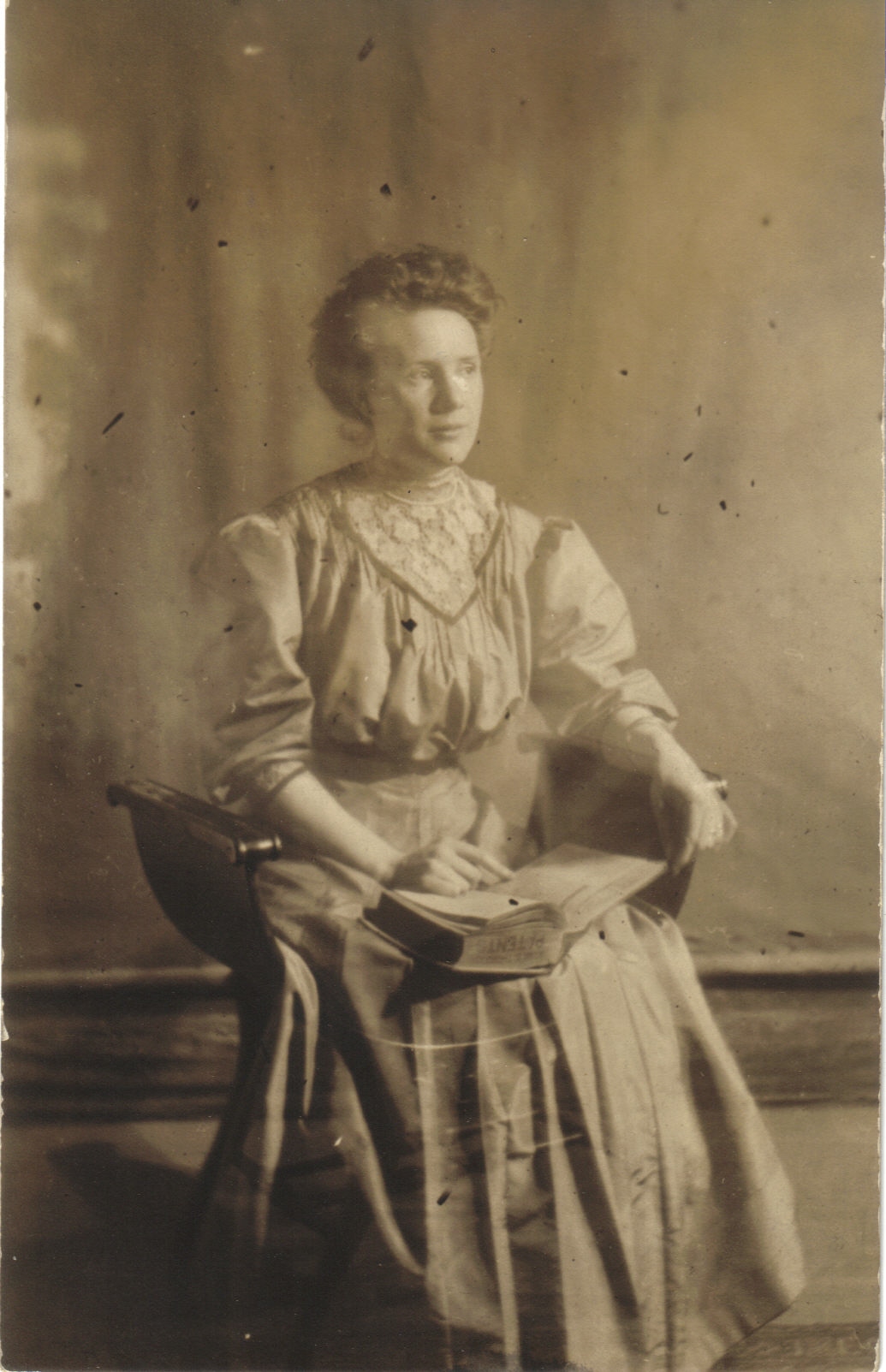

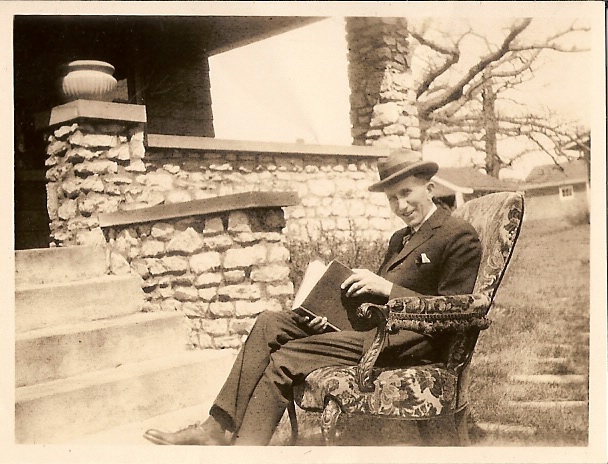
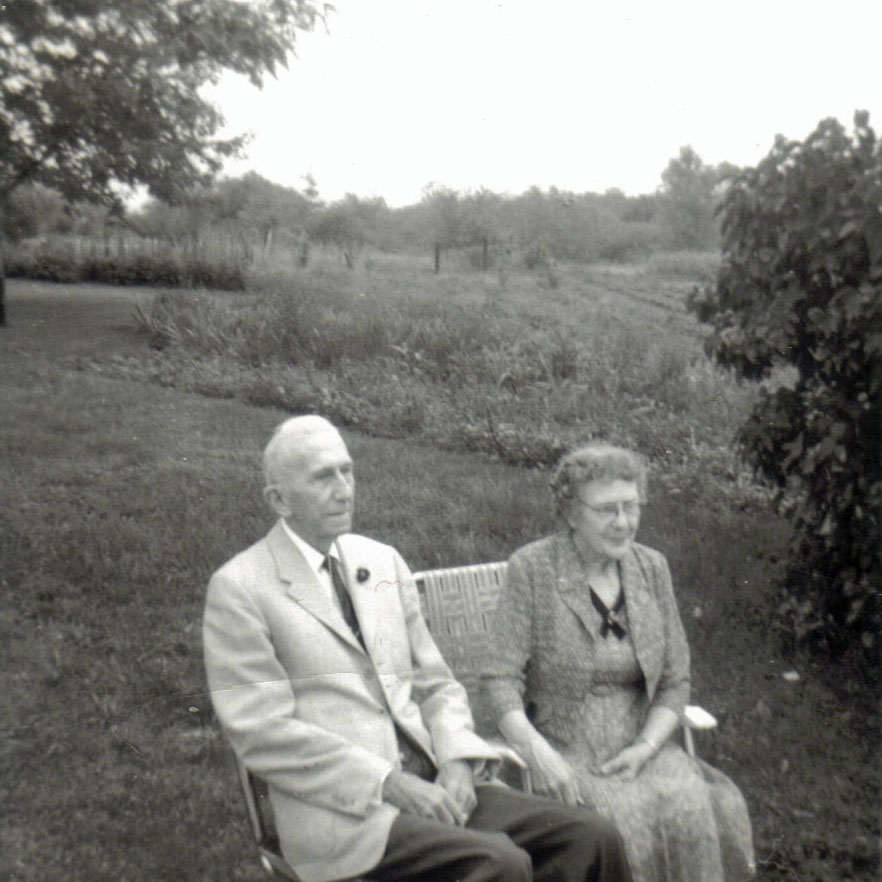
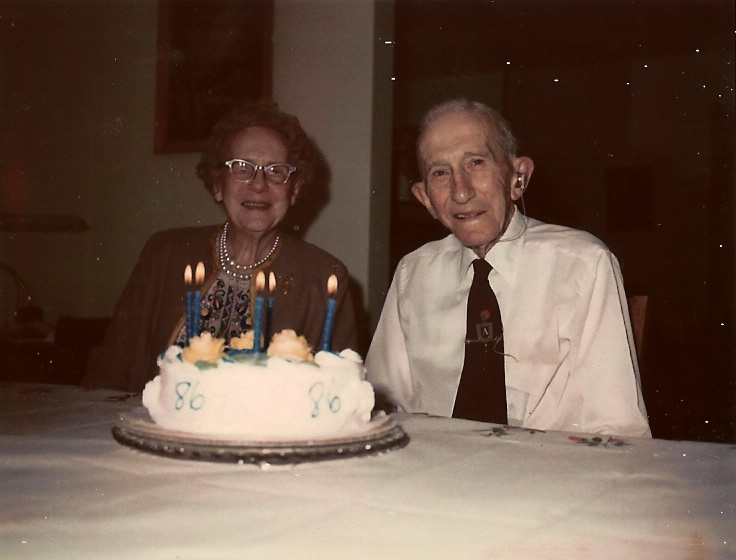
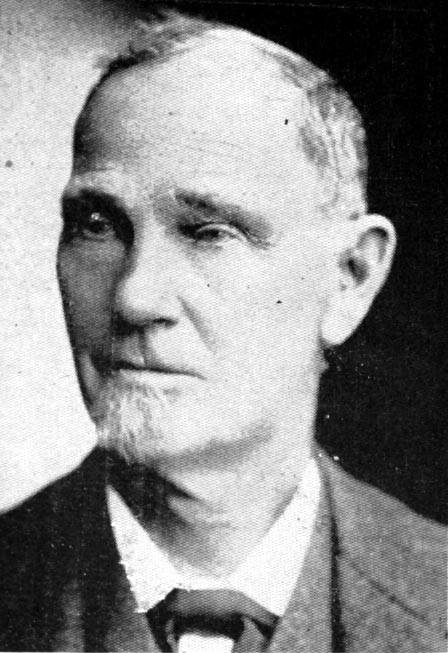
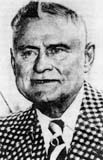 Patrick Murnan lived from 1866-1937, and owned about 700 acres along North High Street north of Morse Road. I’m not going to repeat the story of Murnan here; it’s in my book. But, here’s a photo of the man himself.
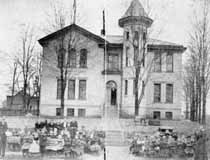 I would love to find a photograph of the original school at Clinton Heights and North High Street. According to one or two accounts, a Brevoort family member living in Michigan has one. The school pictured here ca. 1905 was the second Clinton Heights school building. It was yellow brick, contained 4 rooms, and faced High Street. Since students attended from all over Clinton Township in those days, many rode horses to school; the barn at the back was probably used for horses. According to the photo caption, most of the school moved into High Street for the picture. An interurban rail went up the center of High Street at the time, and the photographer probably stood on the tracks to take this picture. (Photo courtesy of Amy Westervelt)
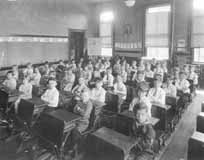 This is a picture of children in the classroom of the Clinton Heights school. (Photo courtesy of Amy Westervelt)
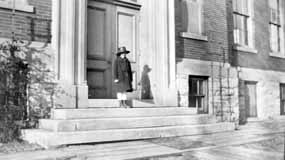 The second Clinton School was built in 1895 at 10 Clinton Heights Avenue. At the time, it housed both a grammar school and a high school. In 1904, the Clinton Township High School Building was built (pictured); it remains today as the Clinton Elementary East Building. A successor to the original building—still used–was built in 1922. (Photo courtesy of Amy Westervelt)
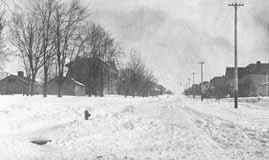 Overcrowding has been a chronic problem for schools. This photograph, looking east up Clinton Heights Avenue, shows some of the portable school buildings that were used as classrooms until newer school buildings could be erected. (Photo courtesy of Amy Westervelt)