
Kerchner Garage
 In 1948, the garage on the northeast corner of Glenmont and High that had been used as a World War II Civilian Defense Center was purchased by Joseph Kerchner. His brother George soon joined him. The brothers ran the Sohio Kerchner Brothers garage and filling station from until 1950. (Photo courtesy of the Kerchner family)
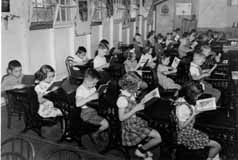 These children are a little stiff, and obviously no one told them to “say cheese”. But the children are cute and some of my readers may be in this photo. These are Our Lady of Peace students in the late 1940s, taken by photographer Ken Hauer. (Photo courtesy of Marge Hauer)
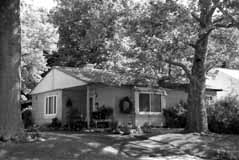 Between 1948 and 1950, the Columbus-based Lustron Company made 2,500 all-steel, prefabricated houses and shipped them nationwide. Unlike the more traditional architecture of Sears homes, Lustron houses offered a sleek, modern aesthetic. They were easy to maintain, and affordable. Despite a backlog of orders, the company went bankrupt in 1950. There are 4 porcelain-steel Lustron homes in Clintonville; this one is located at 272 East Weisheimer. (Photo courtesy of Lynn McNish)
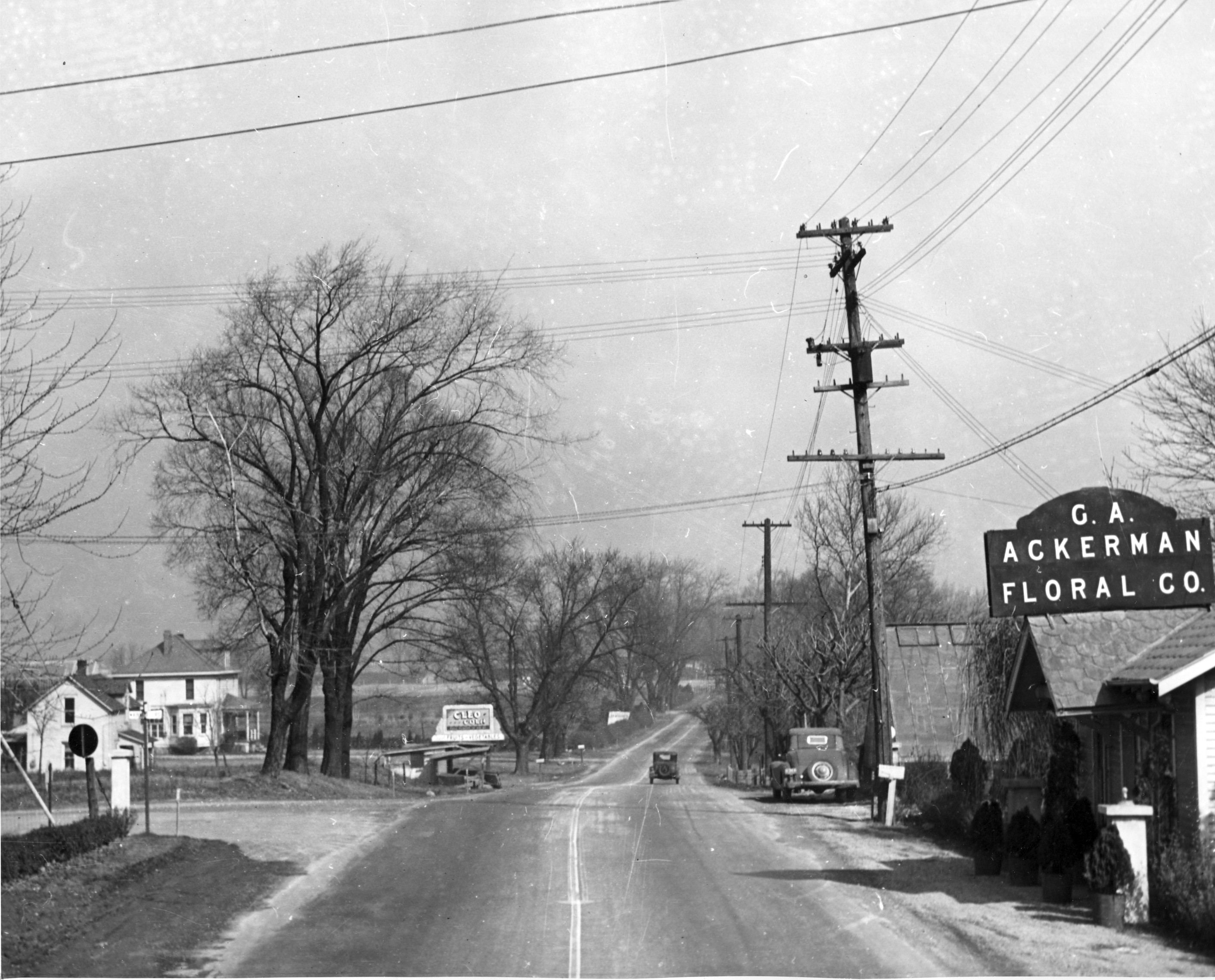
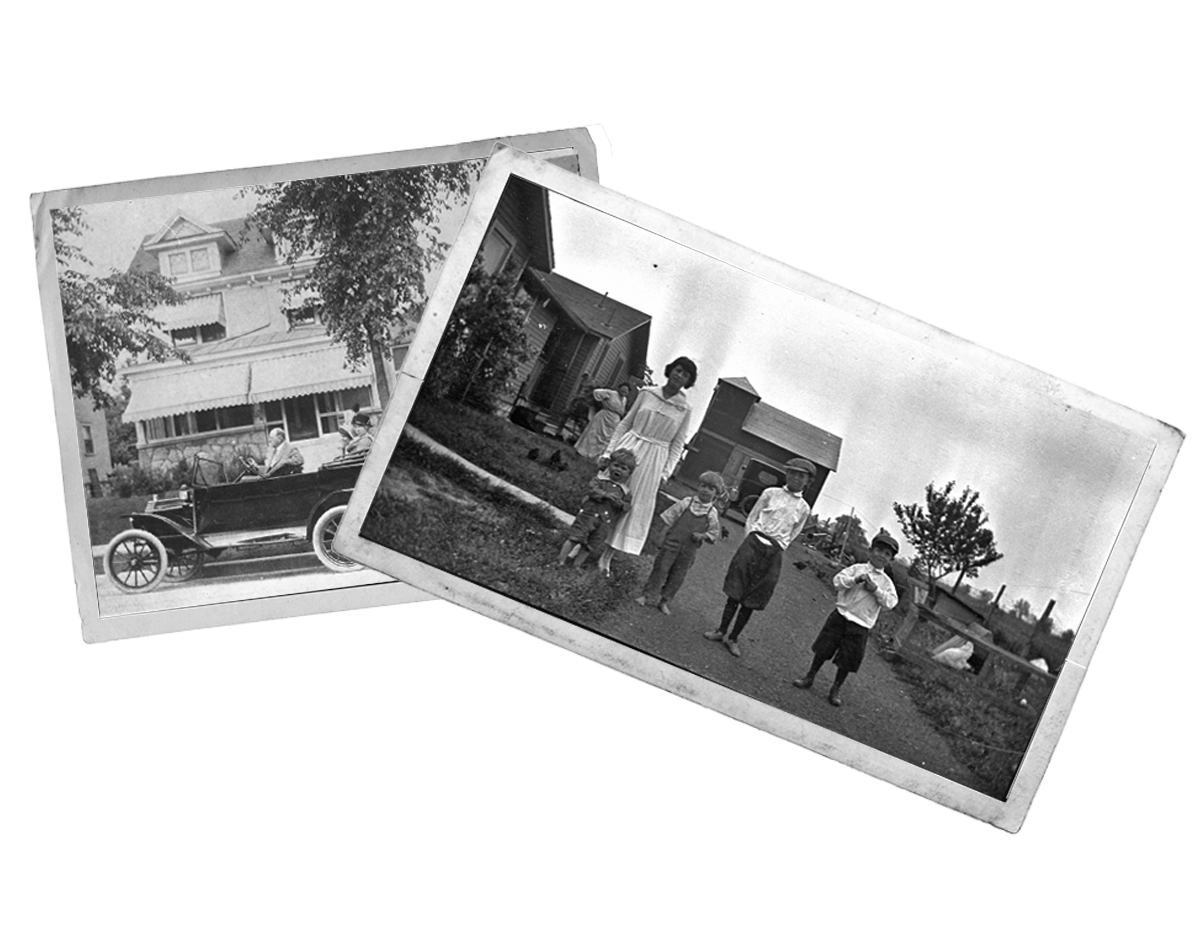
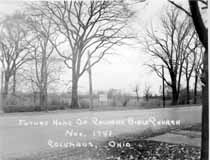 E.A. Fuller was a prominent Clinton Township horse trader at the turn of the century. I found the Clinton Township records for the late 1800s and early 1900s, and his name was frequently mentioned as buying or selling horses. I assume that the so-called “Fuller Farm”—where Calvary Bible Church, Whetstone Park, Clintonville Women’s Club, and The Church of Christ, Scientist are today—once belonged to this man. (Photo courtesy of Calvary Bible Church)
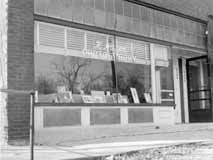 In the late 1940s, photographer Ken Hauer’s studio was located at 4139 North High Street, where a pet grooming studio is now. Hauer took quite a few photographs of the community, including catholic churches and schools. (Photo courtesy of Marge Hauer)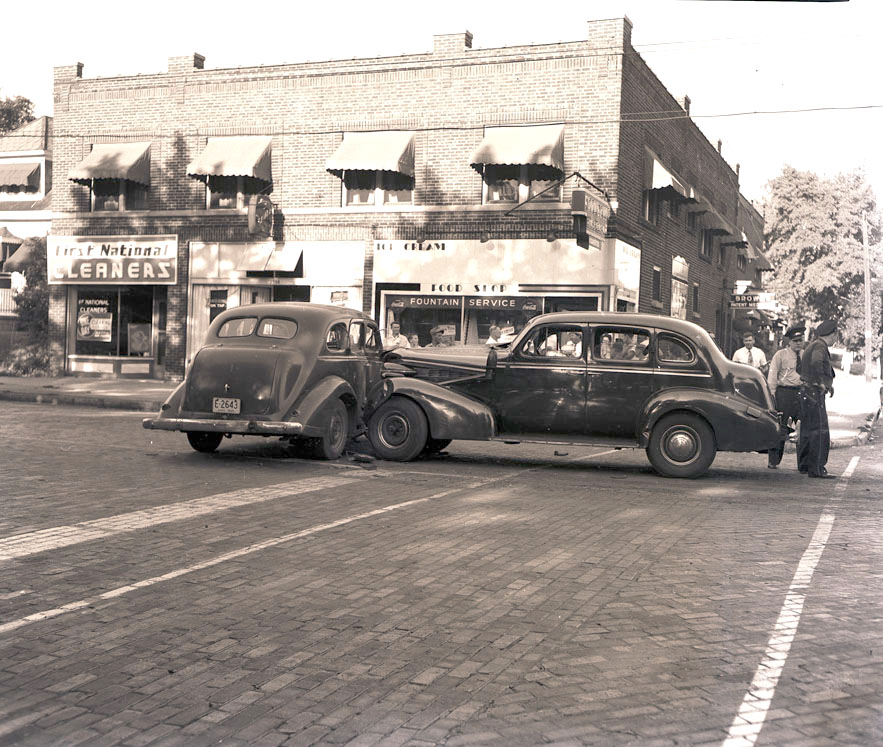
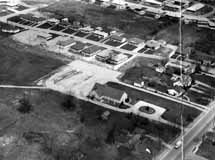
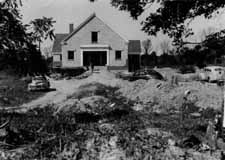
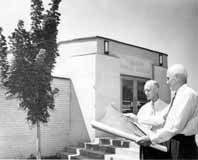 This is a great image of Calvary Bible Church, in its first phase of construction. The church’s original pastor, William A. Ashbrook, was pastor of Glen Echo Presbyterian Church. He resigned and founded an independent, non-sectarian church in 1940, after a lengthy disagreement with the Presbyterian hierarchy. 114 members withdrew from Glen Echo with him. For awhile they met at Medary Elementary School, and in 1941 they purchased the southeast corner of the old Fuller farm, at 3939 North High Street. The war interrupted construction—no building permits were being issued due to the shortage of materials–but in July 1949 the church broke ground. Ashbrook had been a resident of Clintonville for 13 years at the time of the land purchase and lived on North Broadway. In 1950 the new church—a basement and a ground floor–was dedicated. That’s the phase shown in this photo. In 1954 the church was expanded to include an auditorium for 450, classrooms, choir loft, and baptistery; in 1958 it was expanded again to include a parking lot. (Photo courtesy of Calvary Bible Church)