
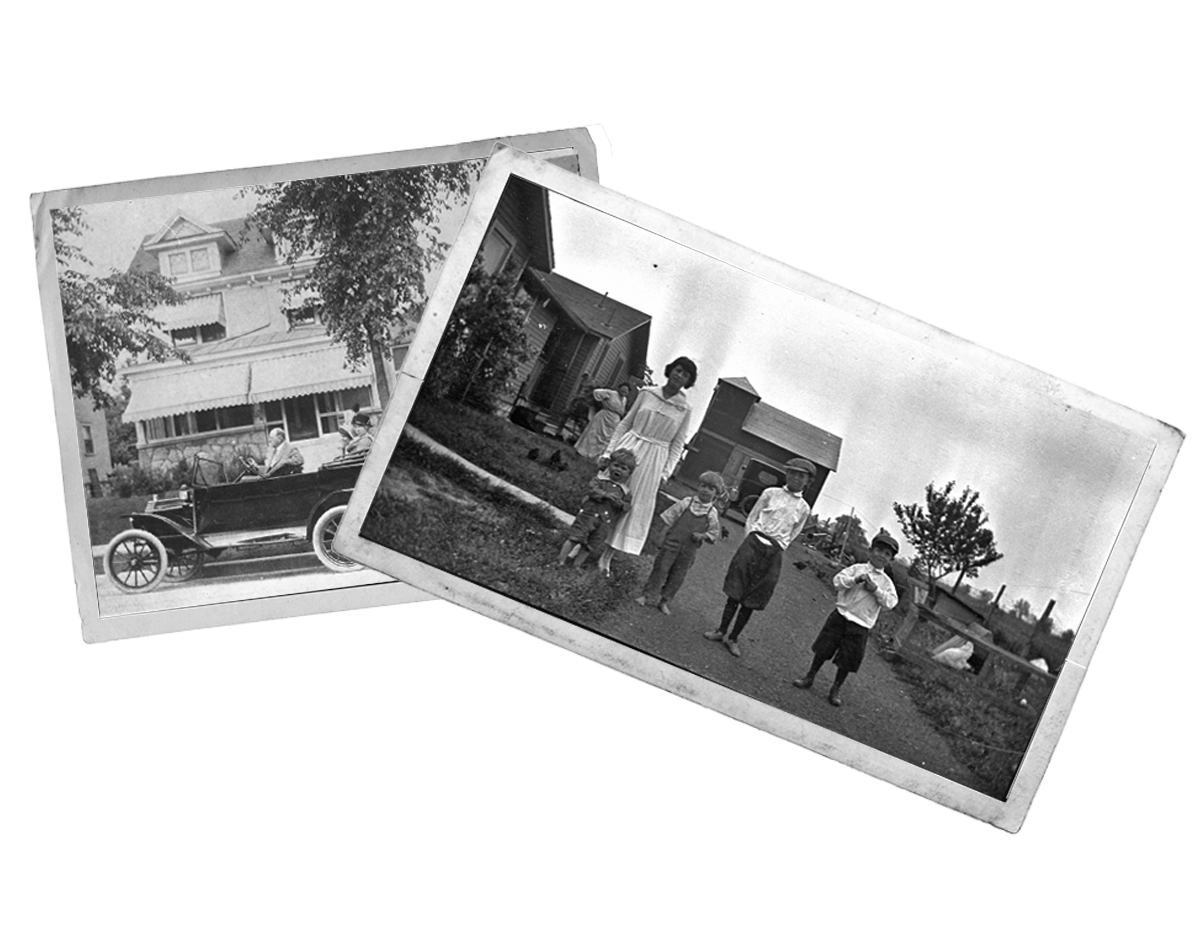

Turkey Bowl Tickets
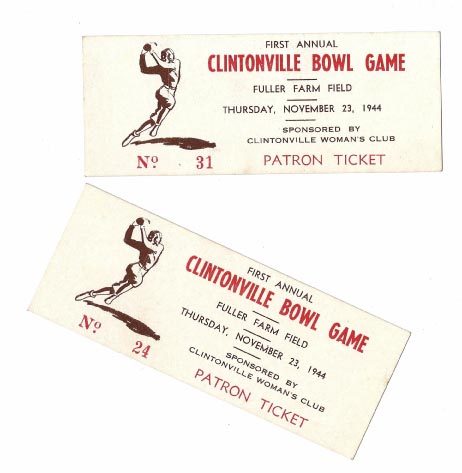 My book contains a photograph of the annual Turkey Bowl, a football game held in a local park on Thanksgiving day. Attached is a picture of some actual tickets to the event, for 1944! Betty Daniels gave these to the Clintonville Historical Society. [Photo courtesy of the Clintonville Historical Society]
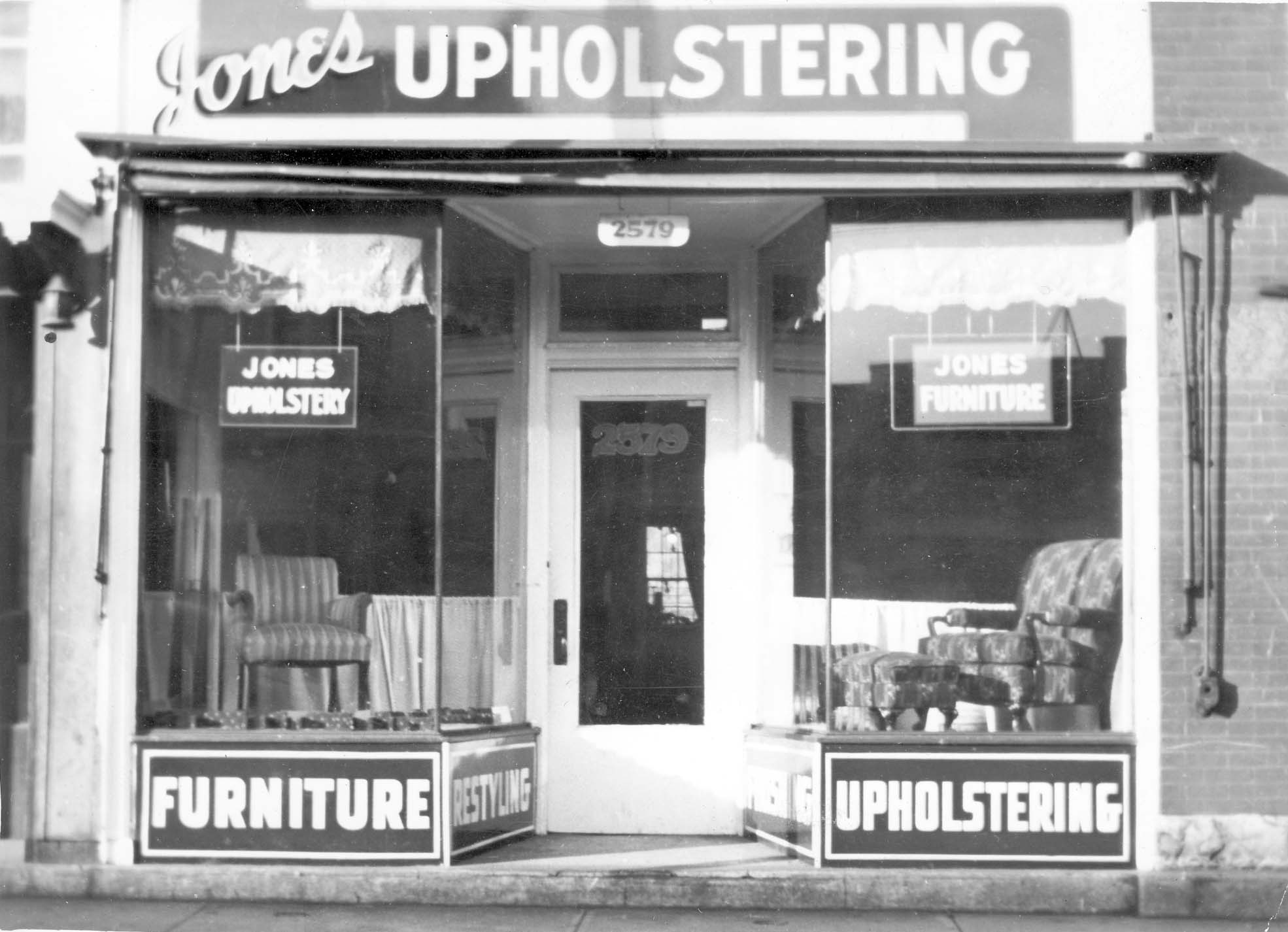
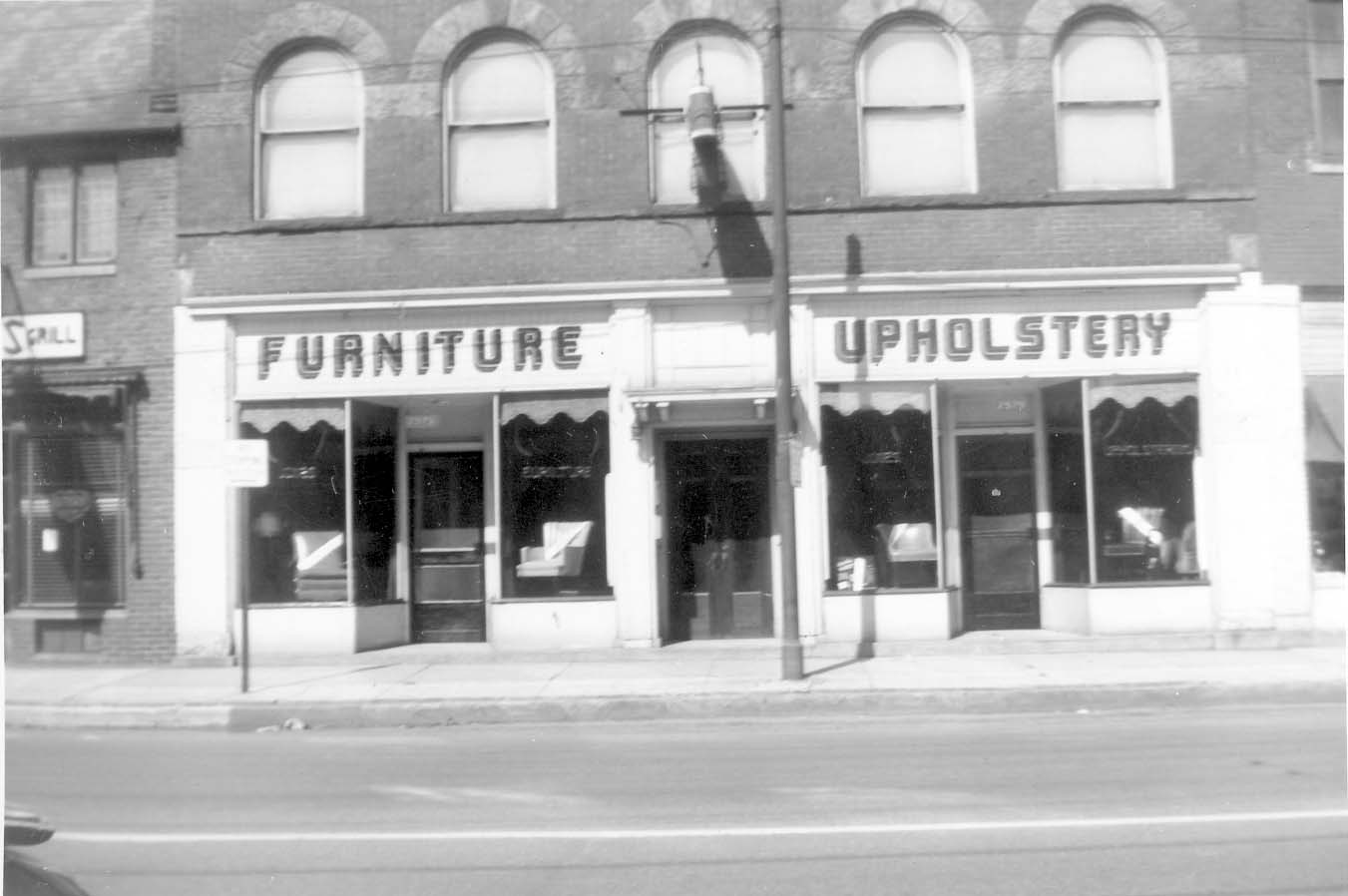
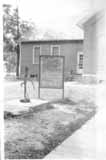 The old brick school house which became the foundational building of Maple Grove Church was originally built in 1878. The church was organized around 1919, and began meeting in the abandoned school around 1920. In 1923 a frame addition was dedicated and this served as their parish hall for many years. In 1929 the lot was further expanded, and a campaign for new construction began shortly thereafter. (Photo courtesy of the Maple Grove Methodist Church)
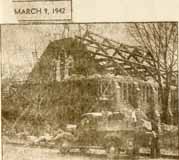 The cornerstone was laid on Pearl Harbor Day in 1941. A stop light was installed at the corner of Henderson and High in 1940—a real sign of growth and “progress.”
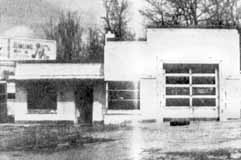 Because of gas rationing during World War II, many gas stations closed. In 1942, Clintonville Community Council (an umbrella group of Clintonville’s organizations) transformed this vacant gas station at
 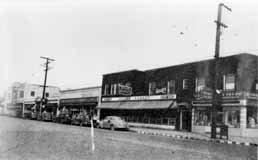 This is another view of downtown Clintonville at High Street and Oakland Park Avenue, showing Miller’s Market, Alber’s supermarket, and Oakland Park Pharmacy. The pharmacy had a soda fountain and was undoubtedly a favorite ice cream stop during hot summer evenings. (Photo courtesy of Leeann Faust)
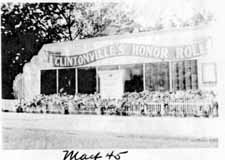 World War II affected every man, woman and child in the community. This World War II signboard listing those who served in the war stood on High Street between Dunedin and Piedmont and honored WWII serviceman from Clintonville. (Photo courtesy of Gordon Brevoort)
 This is a view of North High Street looking northwest from Hudson Street during the mid-1940s. The picture shows Hudson-High Pharmacy, Kroger, Minnie Metzgers Grill, and Neoacacia Hall (a Masonic lodge). The tallest building, the Ramlow Building, was built in the late 1800s by Catherine (Seeger) Volk Ramlow. (Photo courtesy of Columbus Metropolitan Libraries)
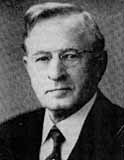 One of Clintonville’s notables was George Sidney Marshall (869-1956). He was raised on a farm in Perry County and attended Ohio State University. He graduated from OSU in 1894 and then from its law school in 1897. He was active in local politics, and became mayor in 1910 on the Republican ticket. After his term of mayor, he returned to the practice of Law and retired in 1946. He and his wife had a longstanding interest in music, and formed the Clintonville Music Study Club. In his retirement (and after the death of his wife), Marshall wrote a history of music in Columbus, a thorough account of all the local nonprofit musical organizations across the city. His book, called