Clintonville History header
Clintonville History photos
Clintonville History header
Clintonville History photos

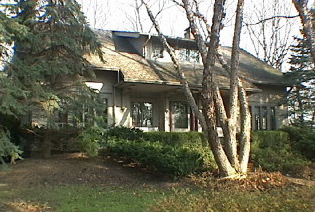
Gatekeeper’s House


This wonderful arts and crafts-styled home on West Beechwold Boulevard was the gatekeeper’s house for the Columbus Zoo, originally located where Old Beechwold is today. It was renovated in the 1990s in the Arts and Crafts style and still has the original cistern.

2008-10-03T09:40:30+00:00October 3, 2008|Categories: 1900-1940, Houses|Tags: |0 Comments

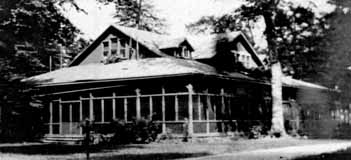
Joseph Jeffrey House


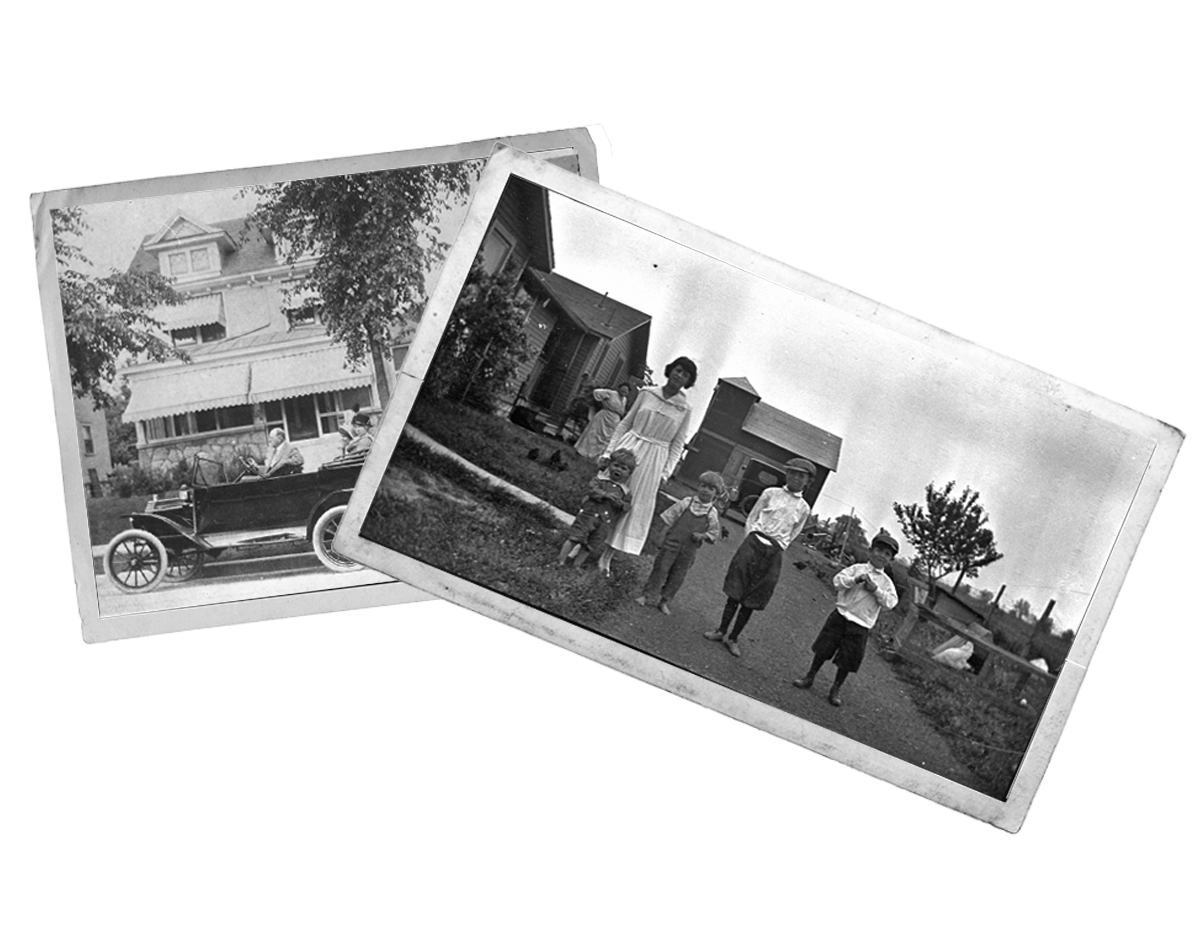
Joseph A. Jeffrey, a Columbus manufacturer, built this house around 1906 as a summer home. The land had previously been a zoo. Jeffrey’s wife called their estate Beechwalde, meaning “beech forest.” Jeffrey sold his property in 1914 to Charles H. Johnson, a Columbus land developer, who changed the name to Beechwold (because it was easier to spell) and sold plots for $1200. (Photo courtesy of the Columbus Metropolitan Libraries)

2008-10-03T09:35:18+00:00October 3, 2008|Categories: 1900-1940, Houses|Tags: , |0 Comments

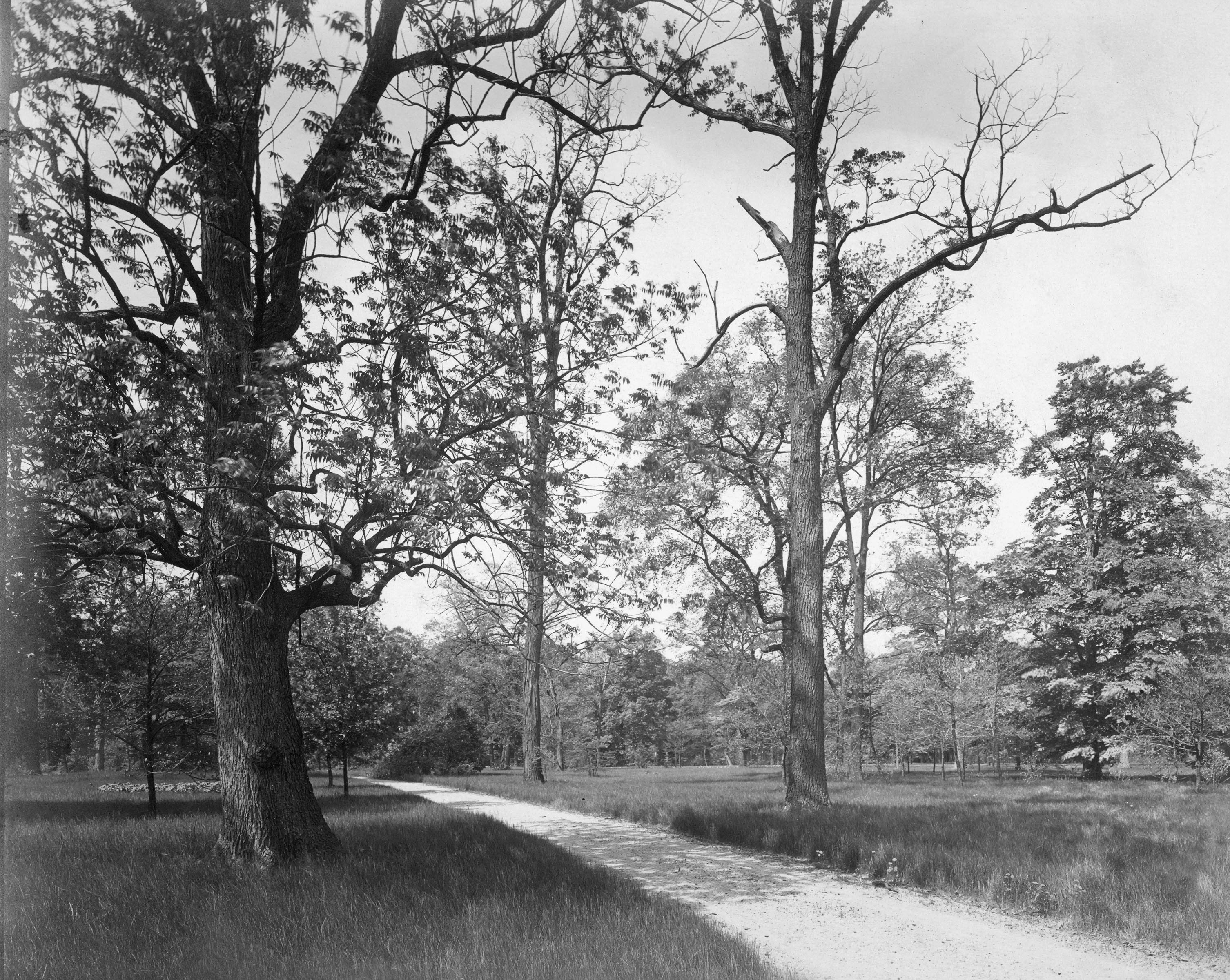
Beechwalde

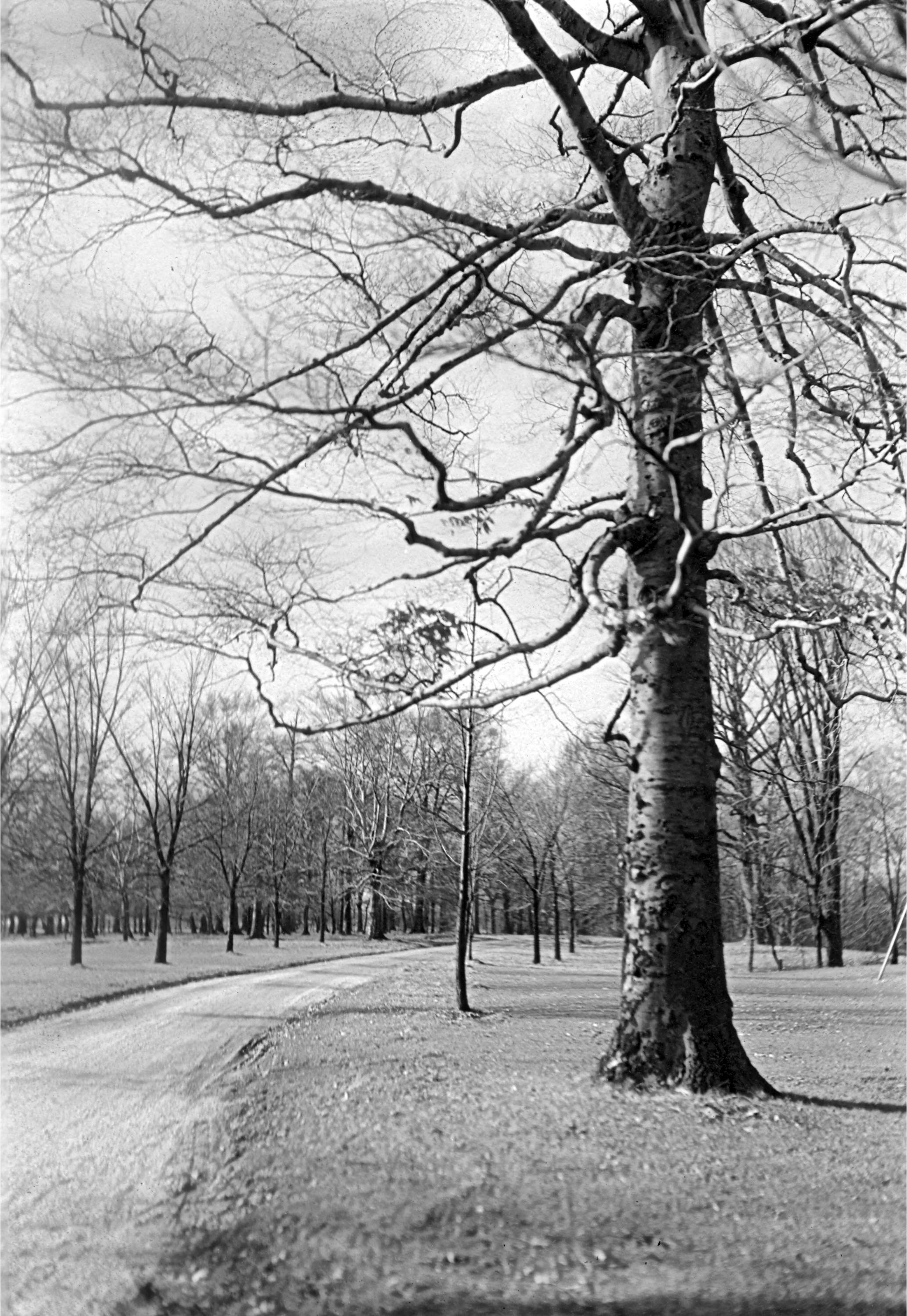
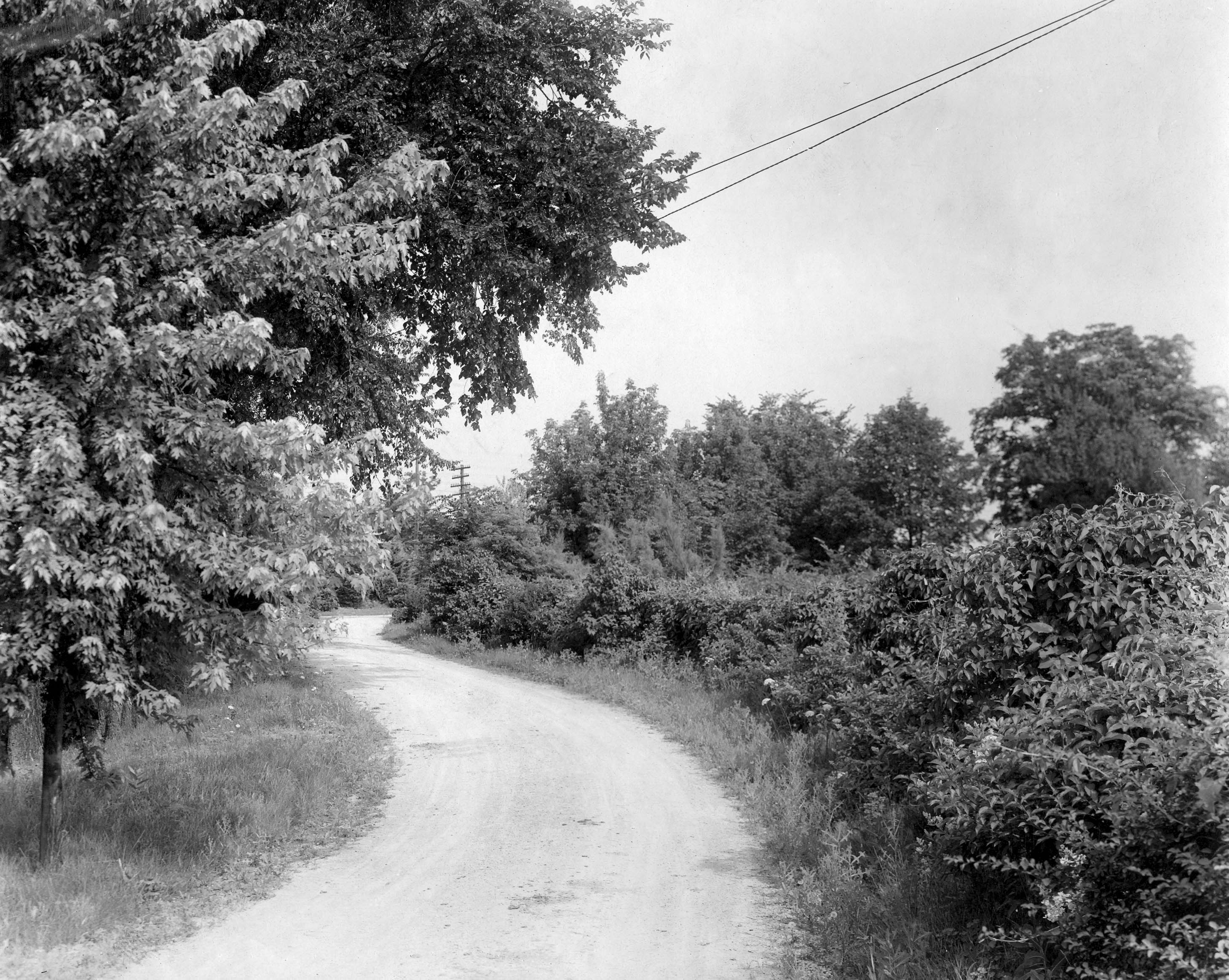
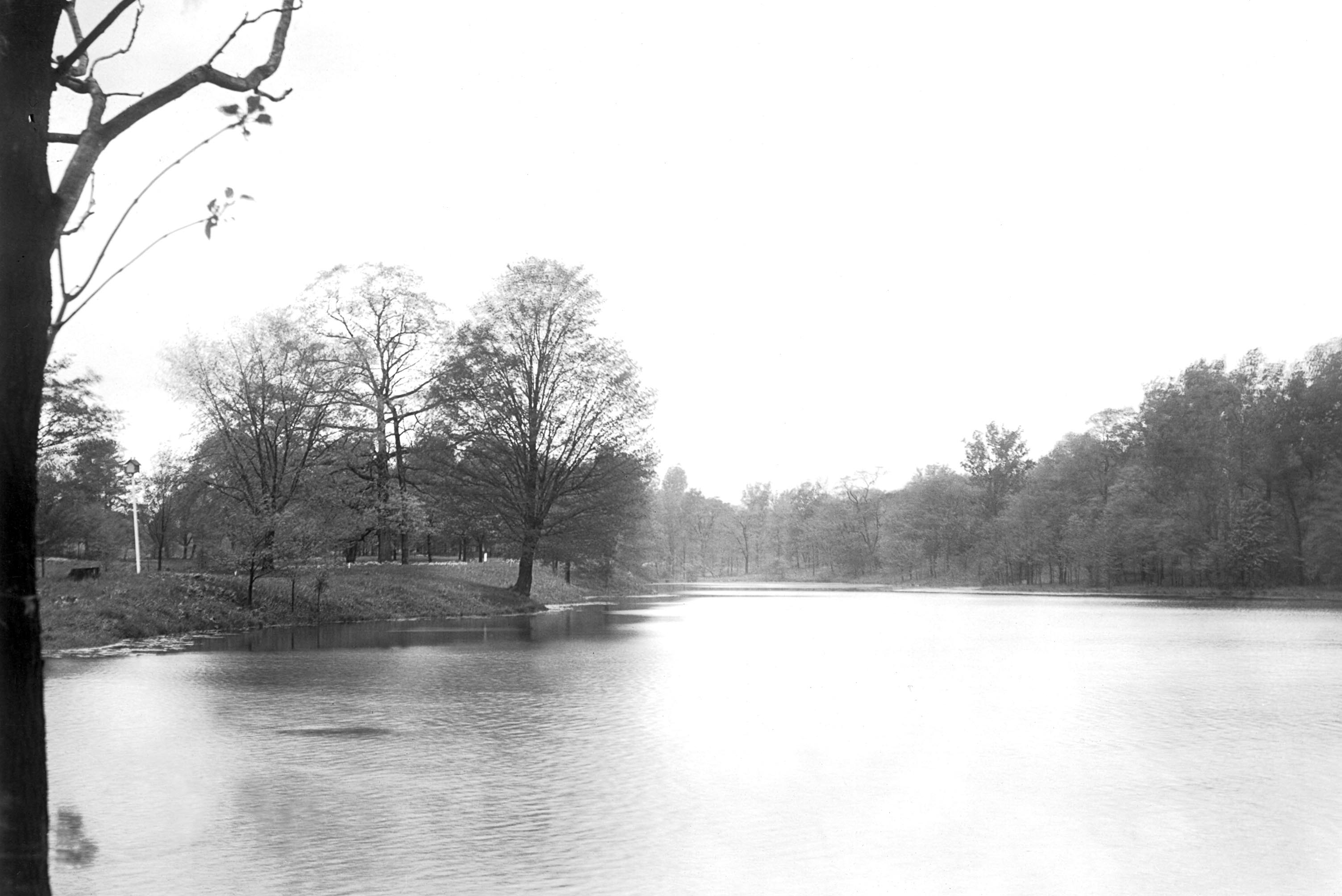
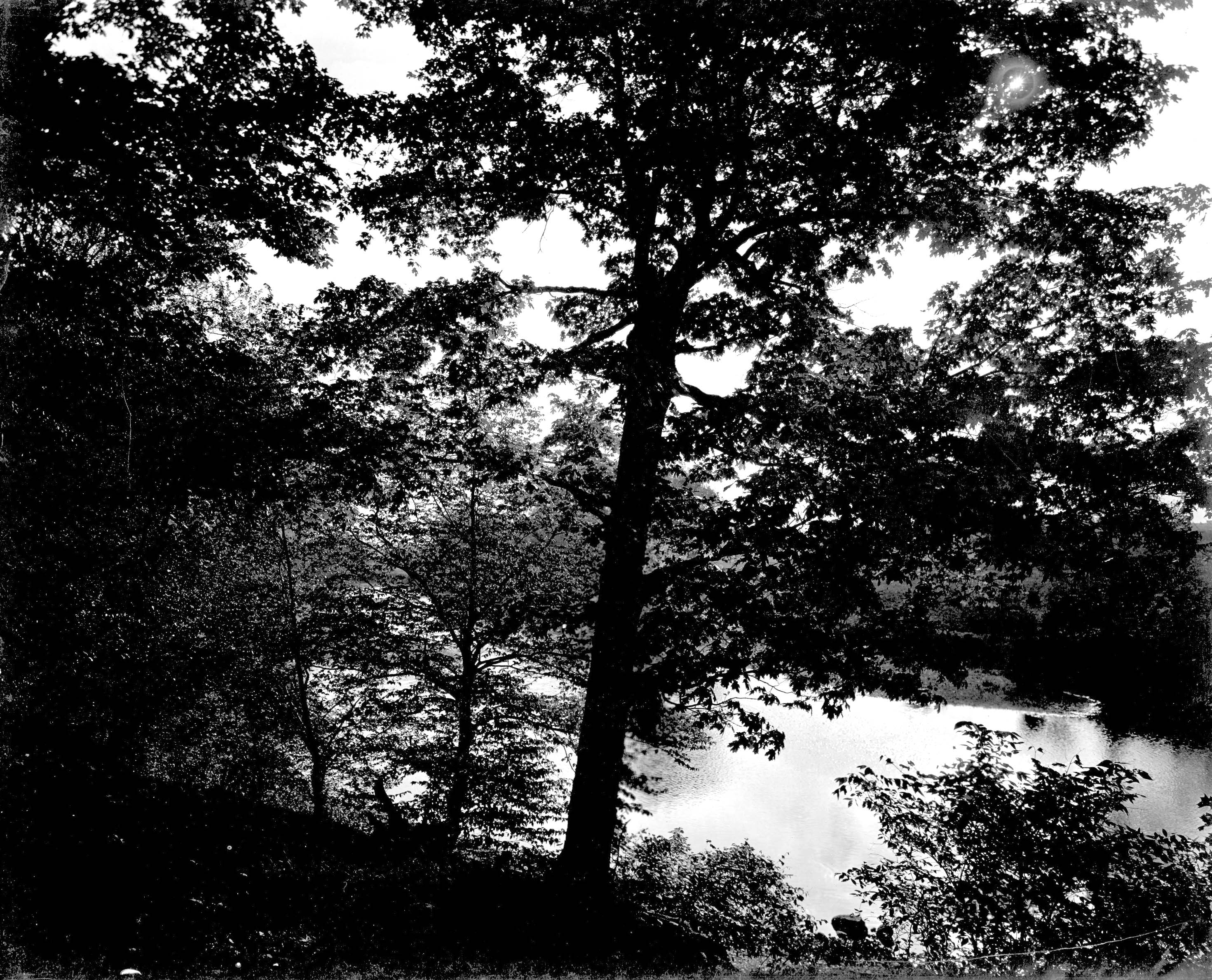
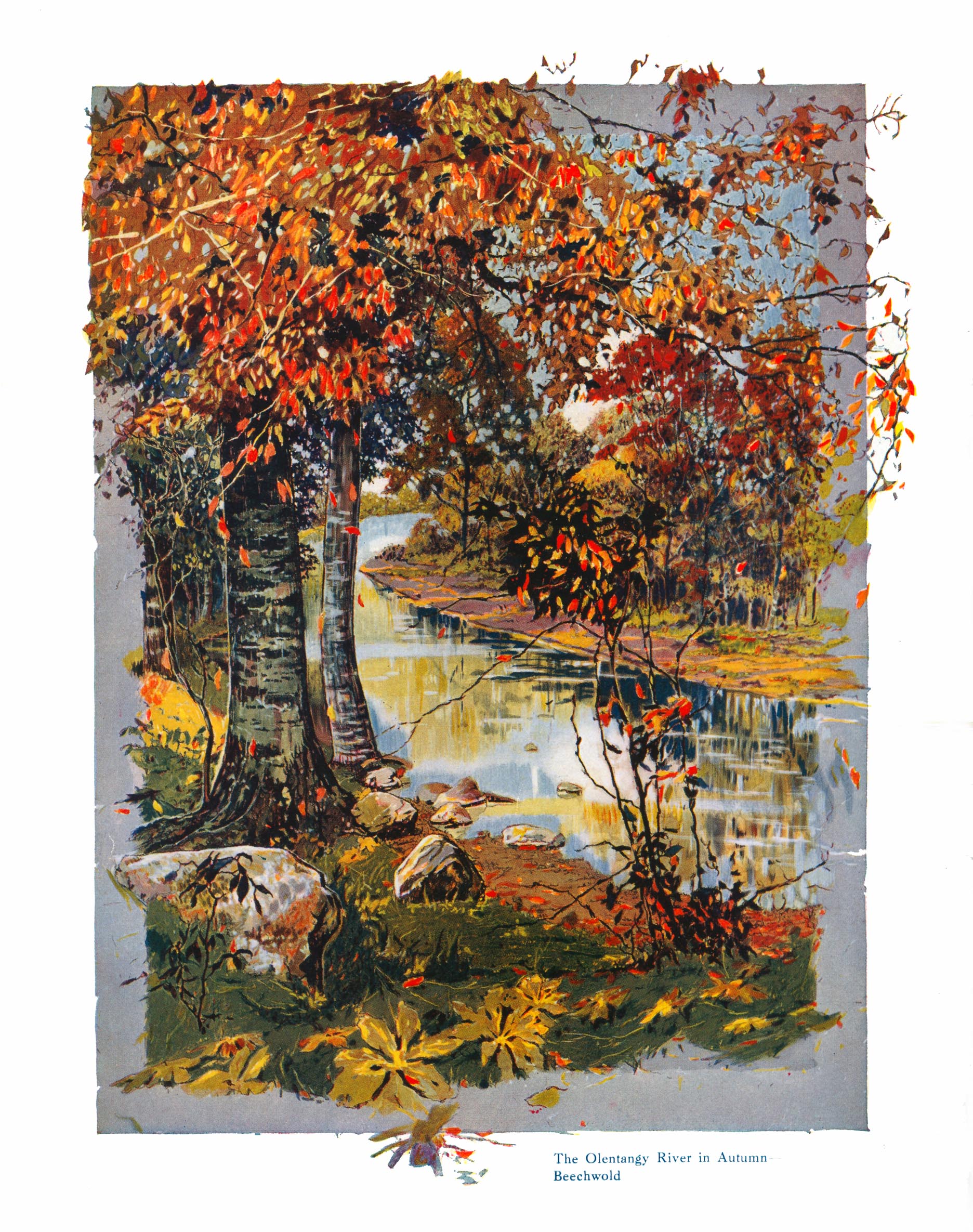
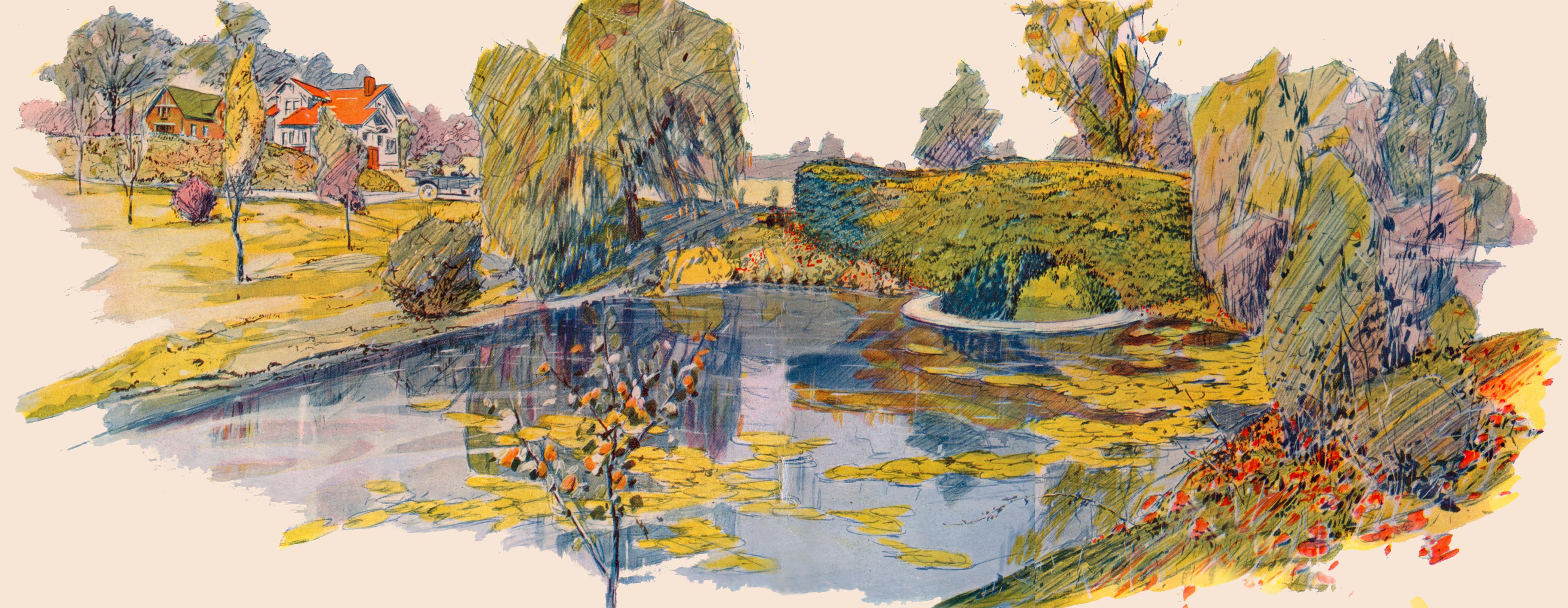
The photos you are seeing here are lovely images of the Beechwold area (west side of High Street) before, or as, the land was being developed into the housing subdivision we know today as “Old Beechwold.” Some of these photos were later used in a promotional brochure–a lovely brochure called “Beechwold the Beautiful,” with a dark green heavy paper cover tied with dark green string with engravings by the Bucher Engraving Co., illustrations and text by Stacy G. Taylor, and printed by the Stoneman Press Company. This same brochure has recently been reprinted by the TWIG organization for use as a fundraiser.

Why the spelling change? Previous owners Joseph Jeffrey had named his country estate “Beechwalde,” and it was changed to “Beechwold” for marketing purposes (=easier to spell) when the land was subdivided and sold for housing units by Charles Johnson.

These photographs were given to me by the granddaughter of Frank Sweigart; Frank worked for Charles F. Johnson for eight years. I am mounting the Beechwold photos in several postings to facilitate some comparisons.

(Images courtesy of Karen Sweigart Longava)


2008-10-03T09:29:57+00:00October 3, 2008|Categories: 1900-1940, Houses, Parks & Recreation|Tags: , |0 Comments

Beechwalde Cont’d #2

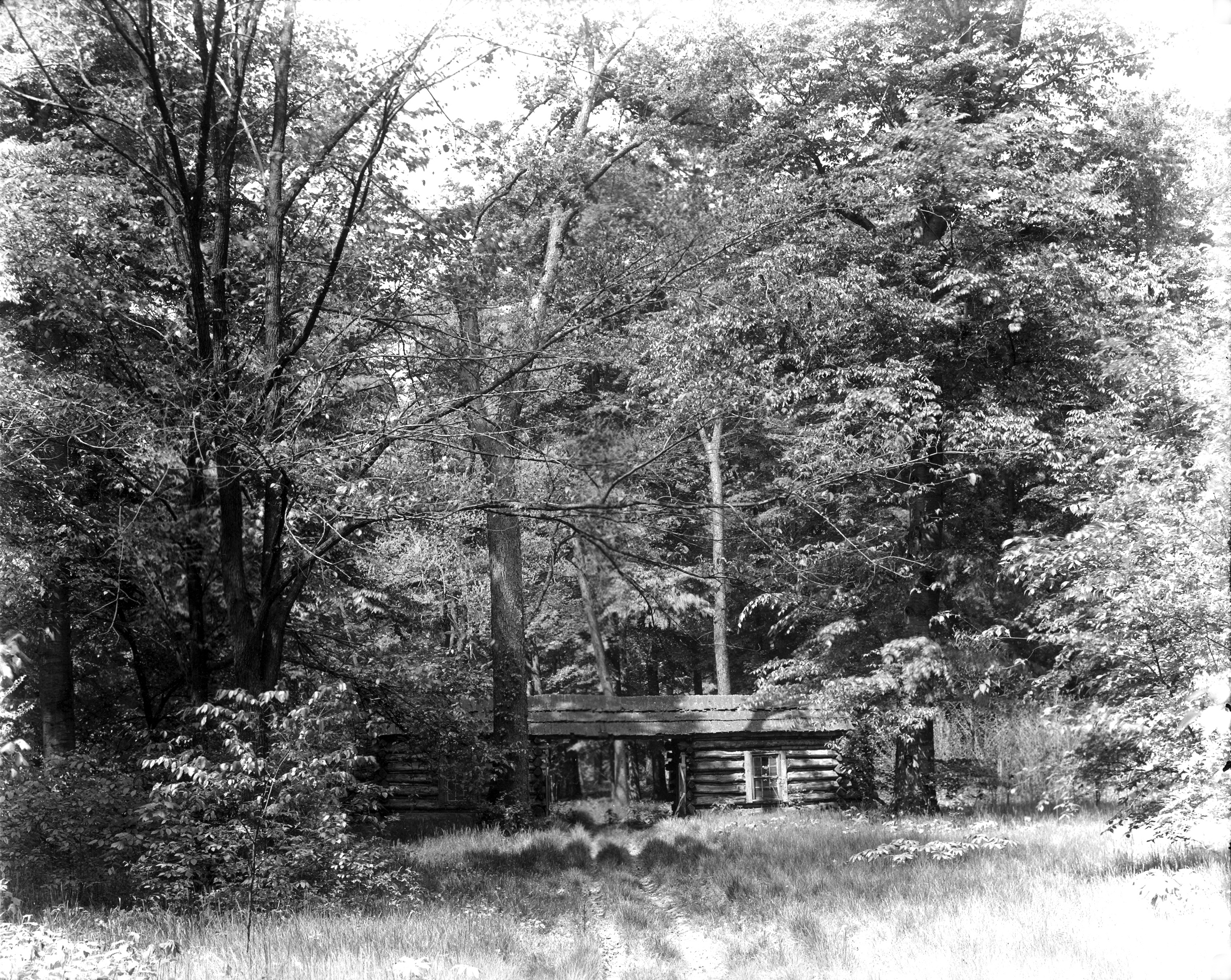
Compare these two images of this wooden structure located somewhere on Beechwold property as the property was being subdivided into a housing development. You can click on the thumbnails to see them in a larger format.


The first photograph shows tire tracks driving right up to the opening between the two sections of the structure. In that photo there are window panes in the windows, and the structure is surrounded by brush and foliage.


In the second photo, the windows and the foliage are gone. A different photo of the structure during this era is found in my book, Clintonville and Beechwold.


I have been unable to find anyone who remembers the structure first-hand. (The first photo is courtesy of Karen Sweigart Longava; the second photo courtesy of Amy Westervelt.)

2008-10-03T09:27:11+00:00October 3, 2008|Categories: 1800s, 1900-1940, Houses, Parks & Recreation|Tags: , |0 Comments

Columbus General Hospital

In 1915, there were plans to build a hospital on the corner of Indianola and Olentangy Avenue adjacent to Glen Echo Park. The hospital would cost a quarter of a million dollars and would include several buildings: surgical, medical, maternity, contagious, laboratory, power plant, and nurses’ home. It was to be called Columbus General Hospital and was an outgrowth of Lawrence Hospitals. The goal was to take care of the needs of the rapidly growing north side.
2008-10-03T09:24:34+00:00October 3, 2008|Categories: 1900-1940|Tags: |2 Comments

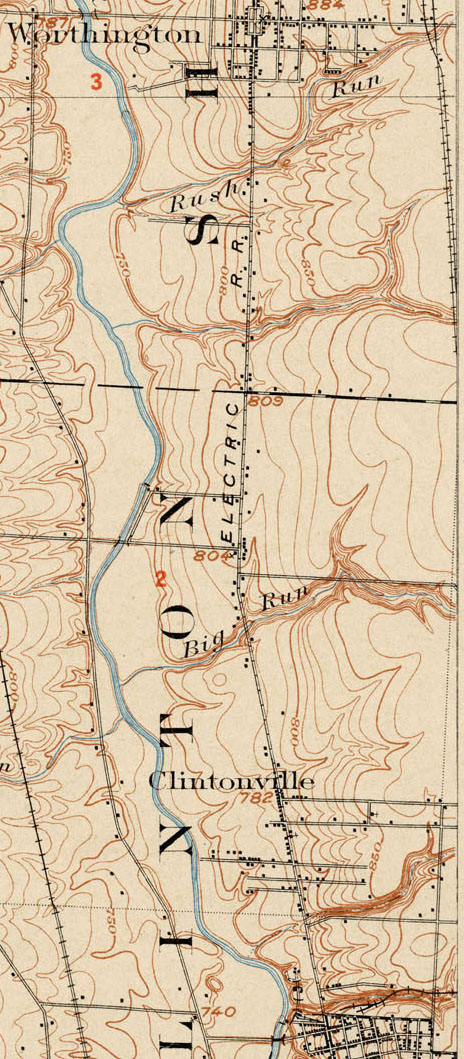
Topographic Map, 1903

This 1903 topographic map shows the road configuration of the intersection of East North Broadway and High Streets. To orient yourself, remember that there were no bridges across the Olentangy River between Dodridge and Henderson, so Dodridge is the southern bridge and Henderson next bridge north of that. Calumet Street did not exist, and many other side streets had as yet to be developed, or were called by different names than they are today.

2008-10-03T09:22:41+00:00October 3, 2008|Categories: 1900-1940, Transportation|Tags: , |0 Comments
Go to Top