March 15th, 2015
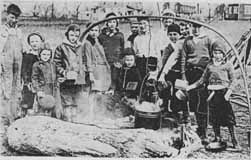 I can’t help loving this photo! Bob Fowle, left; Bob Scott, second from left; and Richard Knopf, third from right, around a kettle of sap in the old Clintonville neighborhood. (Photo courtesy of William Dunning)
Posted in 1900-1940, Parks & Recreation, People | No Comments »
February 15th, 2015
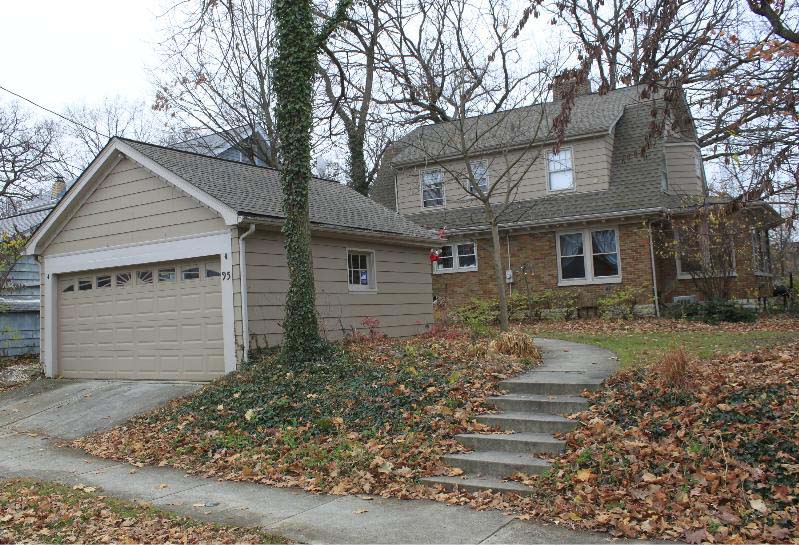
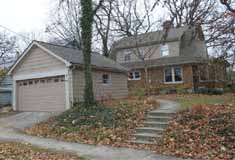 After reading the entry on this web site about 100 Walhalla, Sarah Ellis contacted me with some information about her own house, 92 Walhalla. She shared the following:
An interesting article from the OSU website, and
An article that appeared in the This Week newspaper in 2009 when 92 Walhalla was on the homes tour.
Thanks Sarah!
Posted in 1900-1940, Houses, People | 3 Comments »
January 15th, 2015
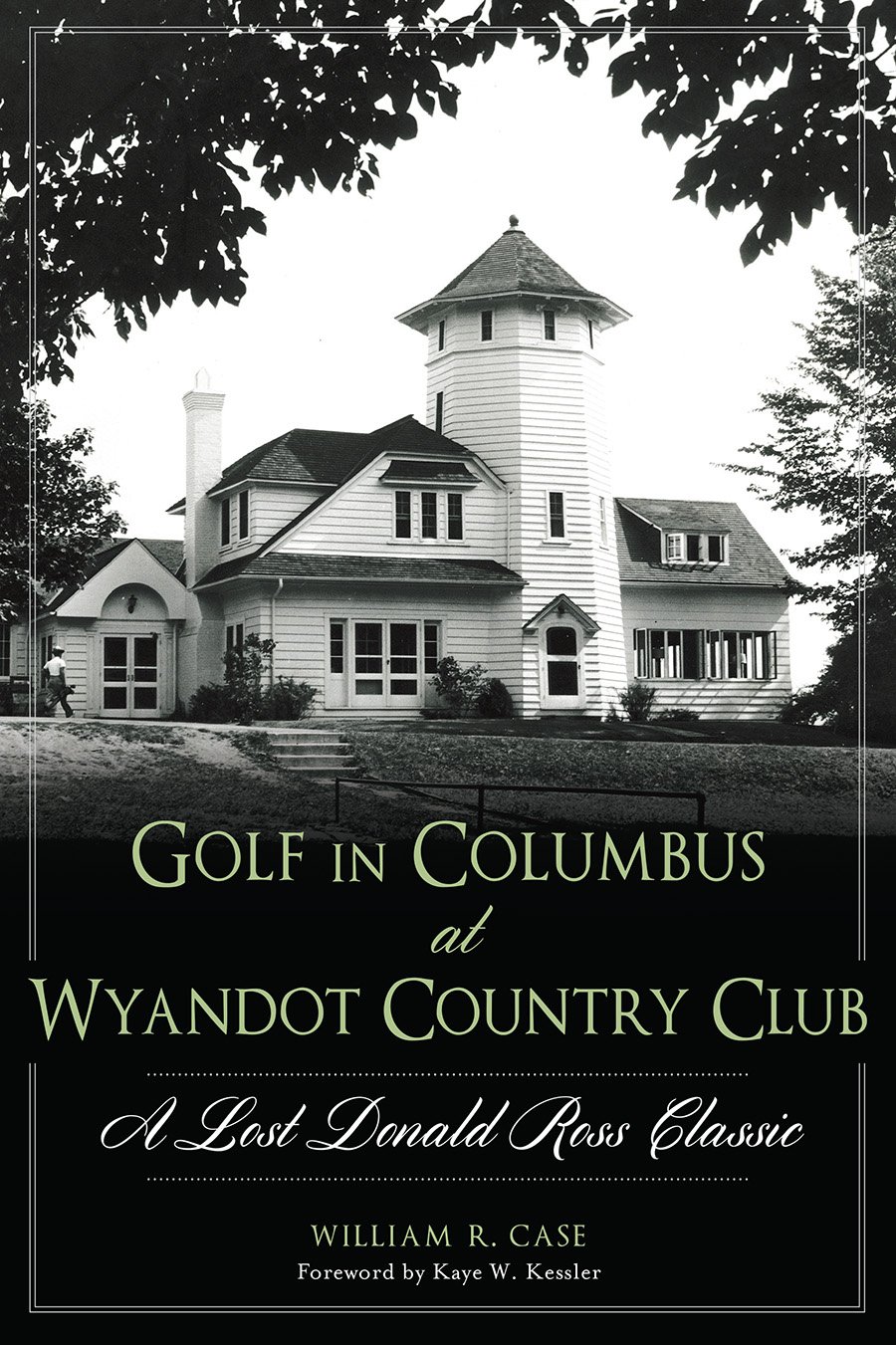
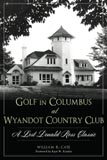 William R. Case has published a book about the Elks / Wyandot Golf Course. The book’s title is Golf in Columbus at Wyandot Country Club. As of this posting, The Book Loft in German Village (Columbus, OH) or Barnes and Noble at Easton Town Center have it in stock. If, like me, you are a prolific library user, you can also locate the book in a library near you here.
Bill has collected lots of great photos and researched this golf course (now the location of the Ohio State School for the Blind and the Ohio School for the Deaf) extensively. You will enjoy his book! [Images courtesy of Bill Case]
Posted in 1900-1940, 1940-present, Parks & Recreation, People | 1 Comment »
December 1st, 2014
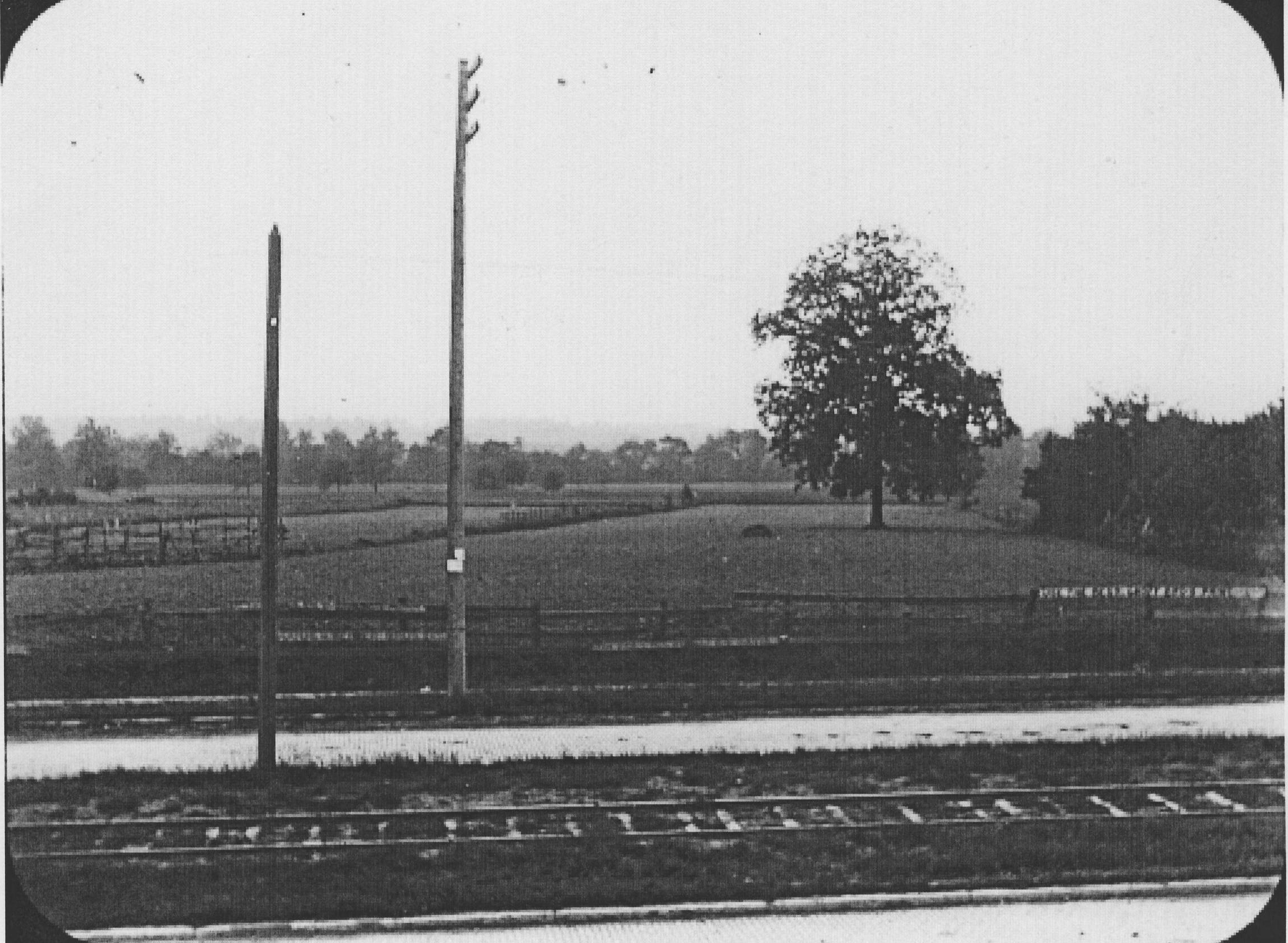
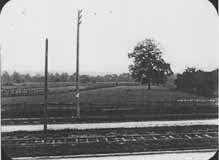 Looking west from Pacemont and North High in 1904, in the direction where Riverside Hospital is now located. The dairy shown in my book is to the left of this camera angle. [Photo by Clinton Hollenback]
Tags: South of Broadway
Posted in 1900-1940, Houses | No Comments »
November 1st, 2014
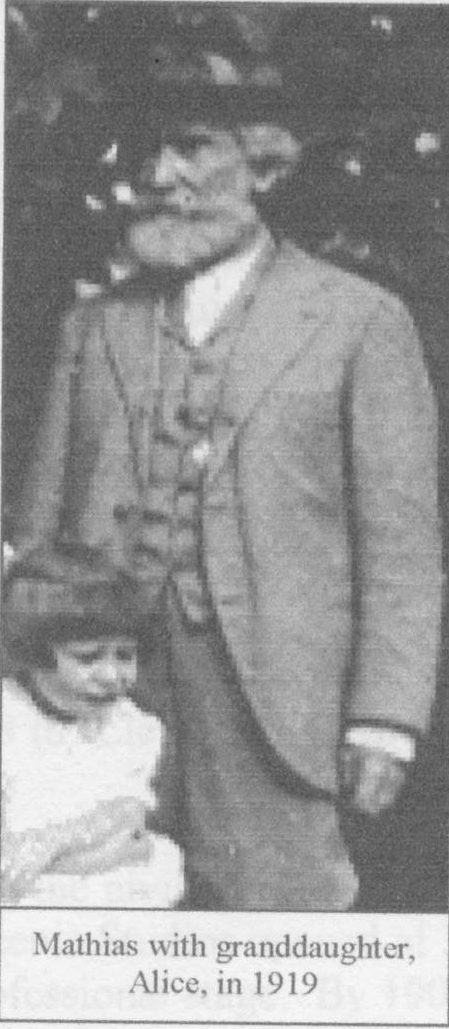
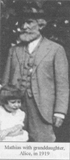 Two articles are often mentioned as sources for information about Mathias Armbruster. I thought I’d archive them here.
Leeann Faust wrote this wonderful article about her great grandfather Mathias Armbruster. It was originally published in the Polar Bear ROARS Alumni Association (=North High School) newsletter.
Karl Pauly wrote this column way-back-when, about Walhalla ravine–which Armbruster was instrumental in designing, or at the very least, naming. (First article of Leeann Faust; second article courtesy of the Clintonville Historical Society)
Posted in 1900-1940, Houses, People | 2 Comments »
October 1st, 2014
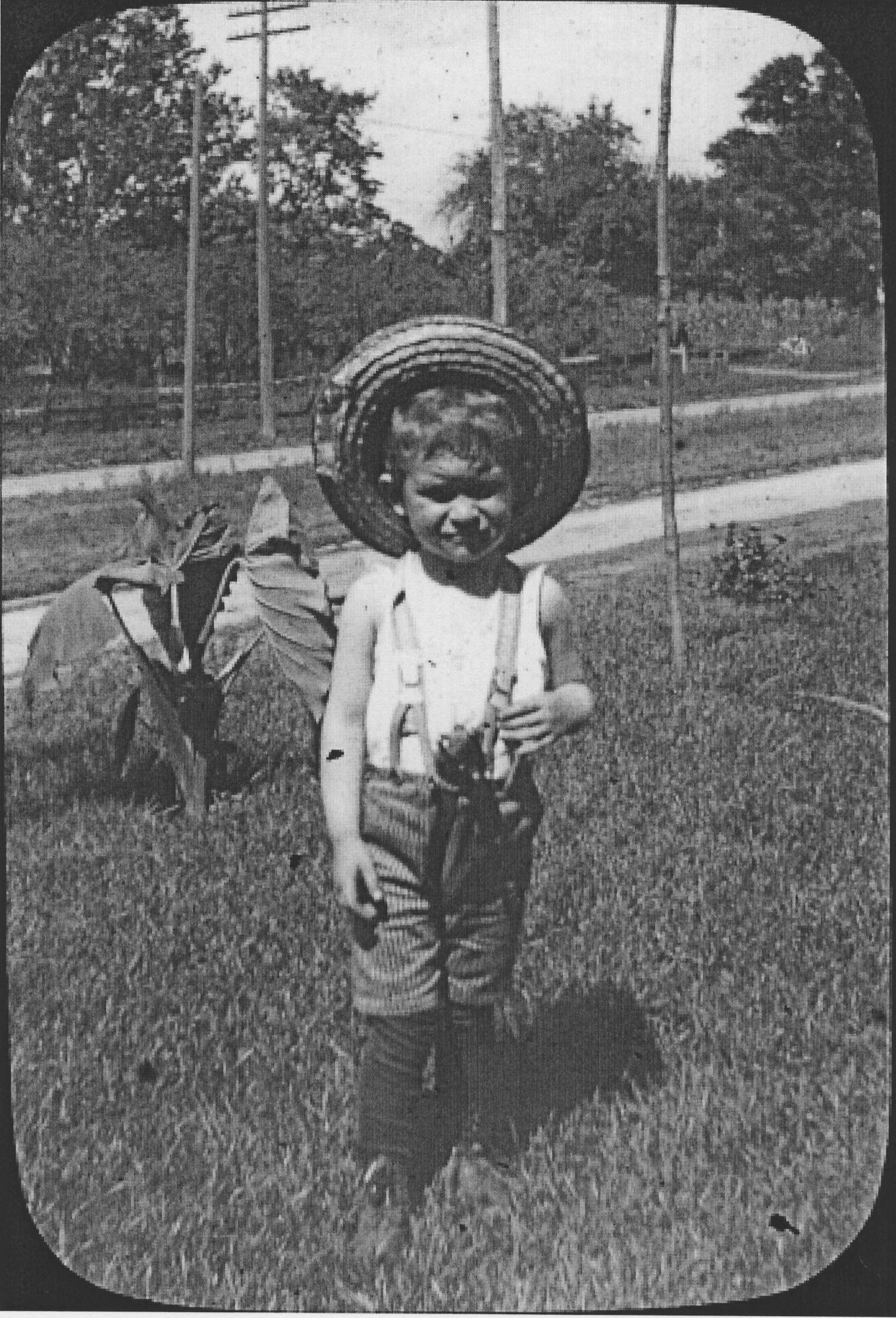
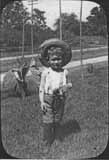 Rand Hollenback in 1904, at age 4, at the Hollenback’s 3134 North High Street address. Rand grew up to found the Clintonville Booster, and to become a major force in the community. Note the street car lines in the background.
Tags: South of Broadway
Posted in 1900-1940, People | No Comments »
September 1st, 2014
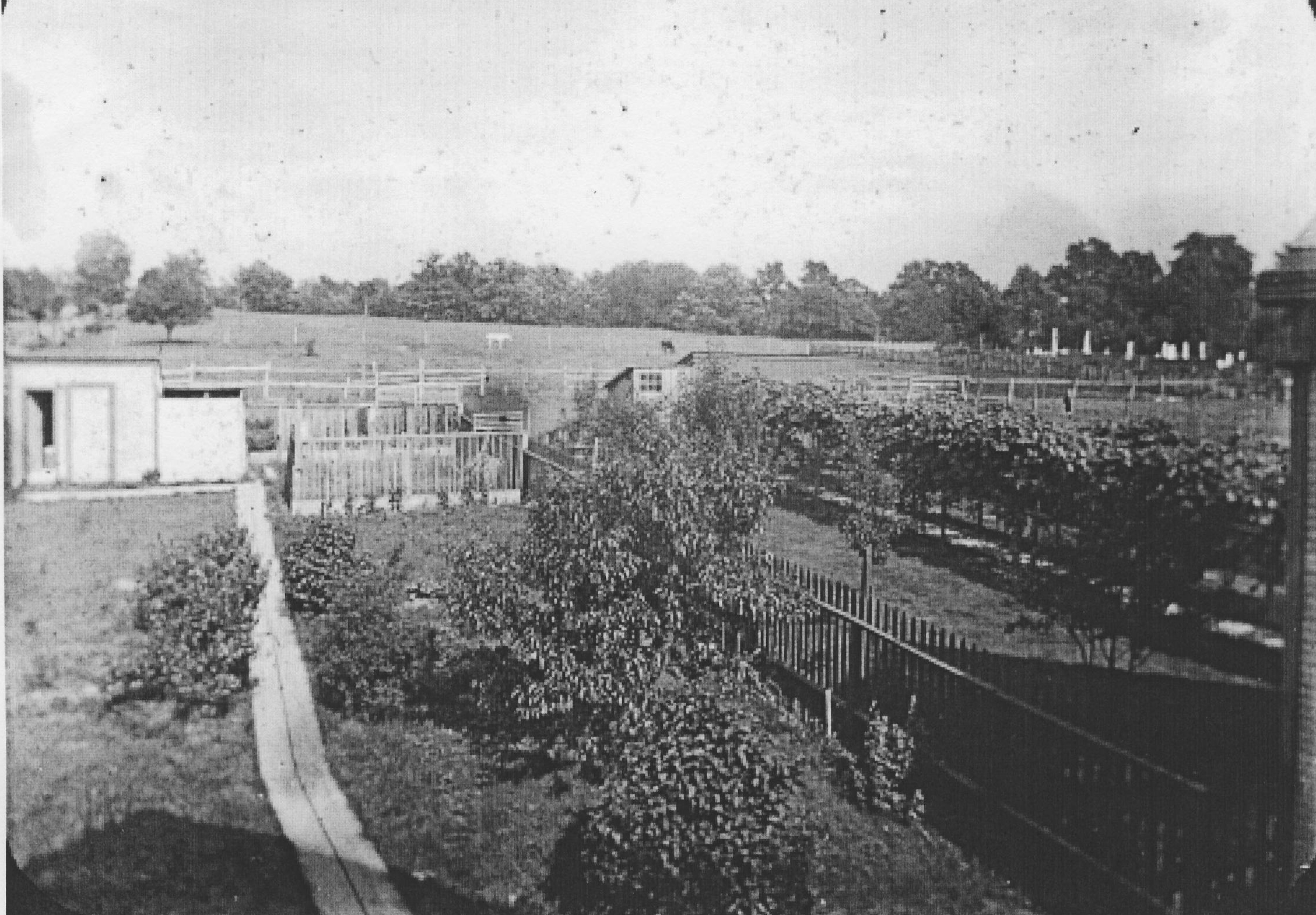
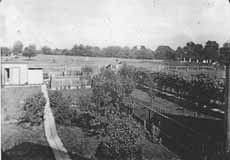 This is what the Hollenback homsestead at 3134 North High Street looked like, looking east/southeast.
Tags: South of Broadway
Posted in 1900-1940, Houses | No Comments »
August 1st, 2014
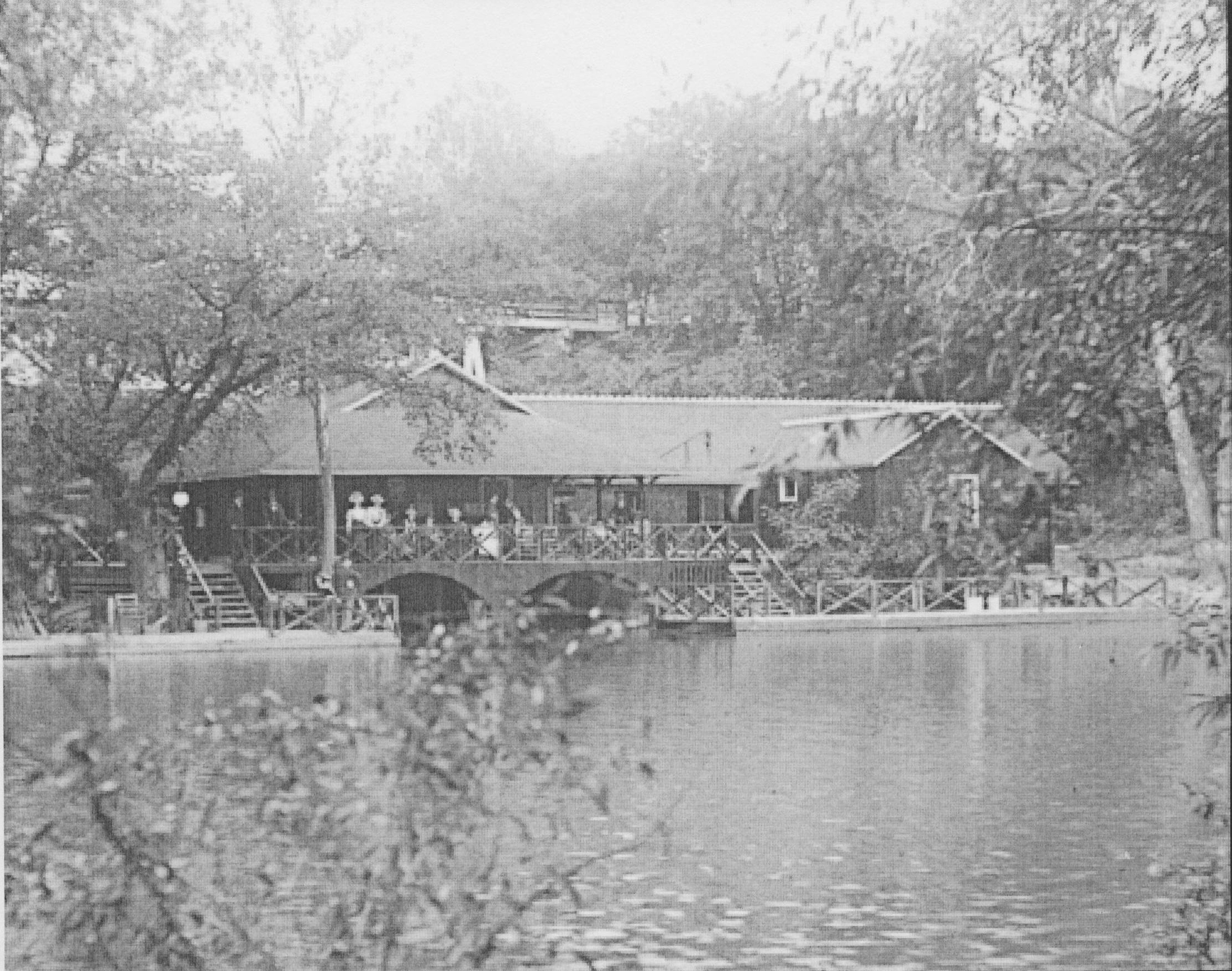
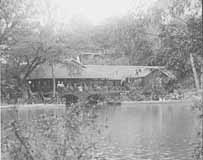 The Olentangy Park Canoe Club, ca. 1906. I’m told that at one time, Clintonville had at least 4 canoe clubs.
Tags: South of Broadway
Posted in 1900-1940, Parks & Recreation | 1 Comment »
July 1st, 2014
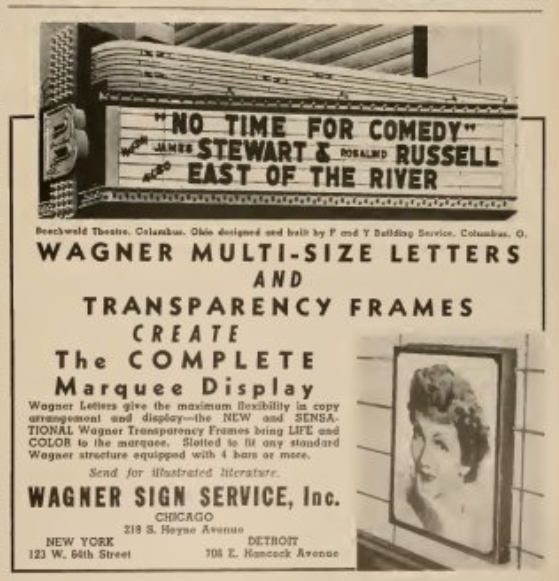
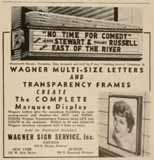 This is an ad that just happens to show the signage of the old Beechwold Theatre at 4250 N. High (aka Camelot North and Drexel North, and currently an athletic club).
The theatre was built by the F & Y Building Service (aka F & Y Construction Company). Mark Fontana informs me that the “Y” in this name is Yassenoff, and the first manager of the Beechwold Theatre was Milton Yassenoff, adopted son of Leo Yassenoff.
If anyone out there is aware of the whereabouts of blueprints, construction photos and high-res b/w photos of the finished theater, please let us know! The ad was shared with me by Mark Fontana, former manager of the Drexel North (aka Camelot North and Beechwold Theater) Mark is a collector. In another place on this web site I link to his web site.
Posted in 1940-present, Businesses, Parks & Recreation | 2 Comments »
June 1st, 2014
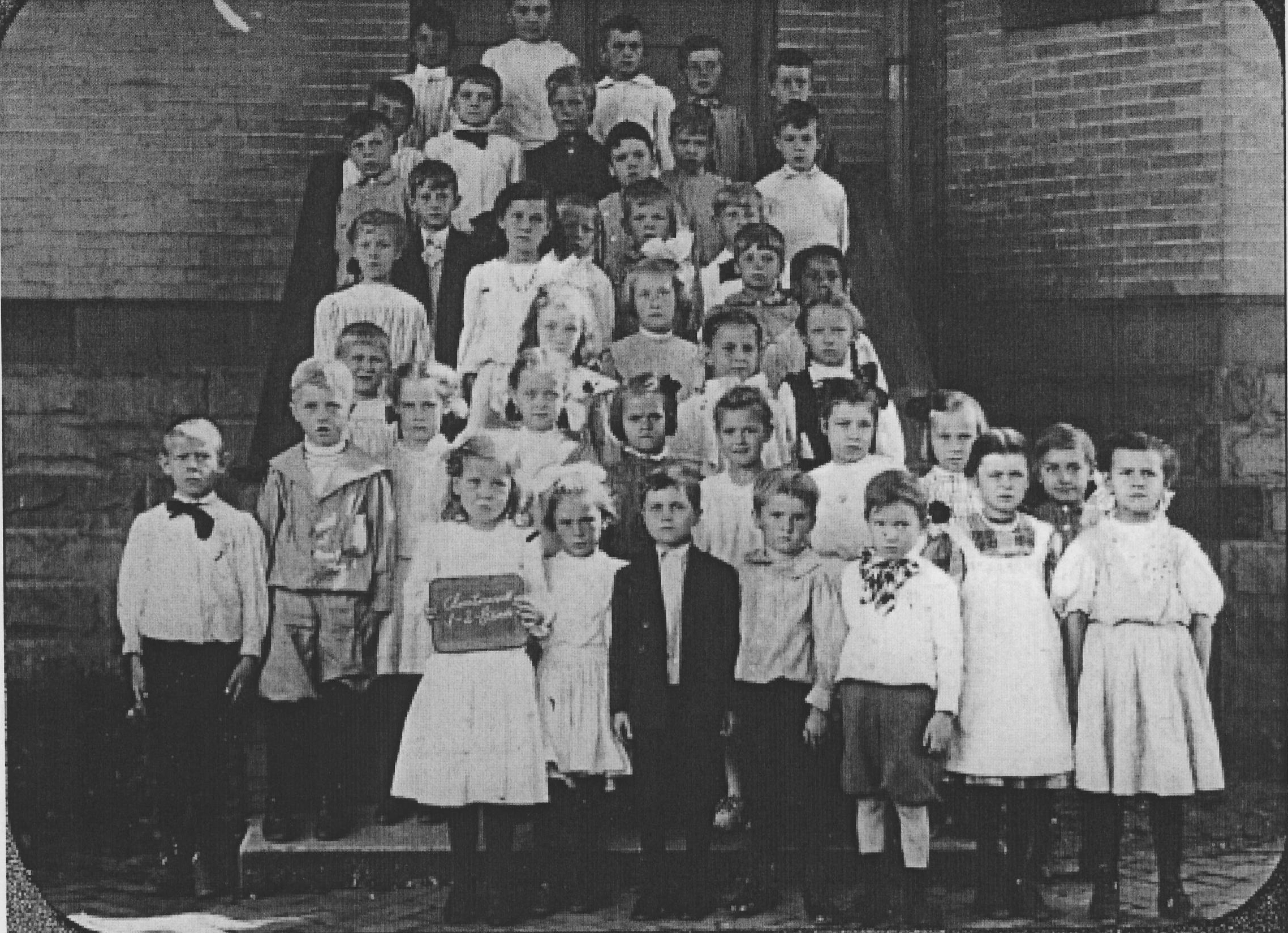
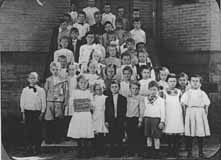 First graders at the Clinton Township School on Clinton Heights Avenue (also called the “1904 Building”). Presumably Rand Hollenback is somewhere in this photograph. As of this web posting, the building is still there, though its fate is uncertain.
Posted in 1900-1940, People, Schools | No Comments »
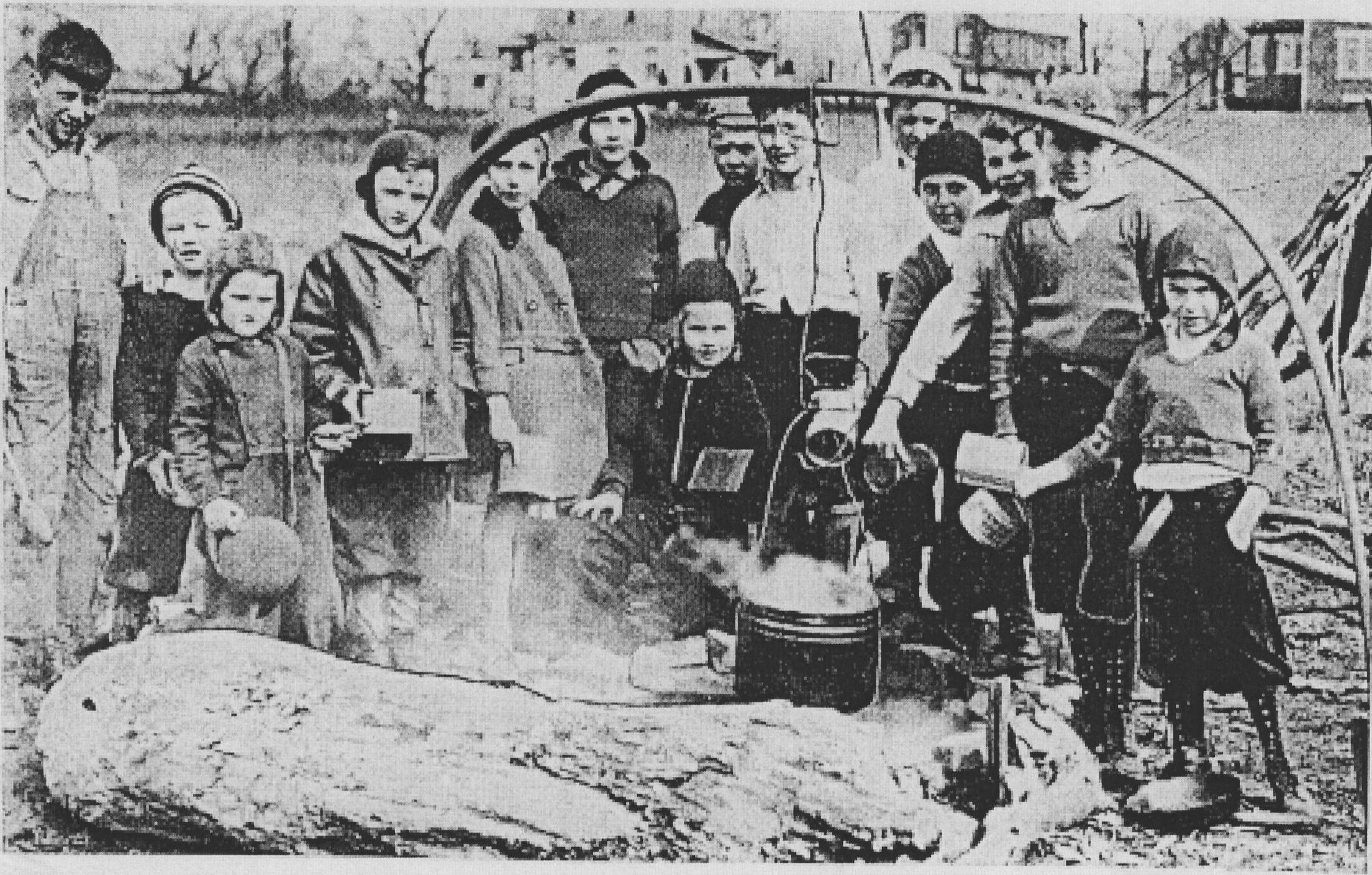 I can’t help loving this photo! Bob Fowle, left; Bob Scott, second from left; and Richard Knopf, third from right, around a kettle of sap in the old Clintonville neighborhood. (Photo courtesy of William Dunning)